NLC Programme | Biodiversity Gardens | Elim
#GROW
Showcasing the unique plant diversity of the Cape Floristic Region
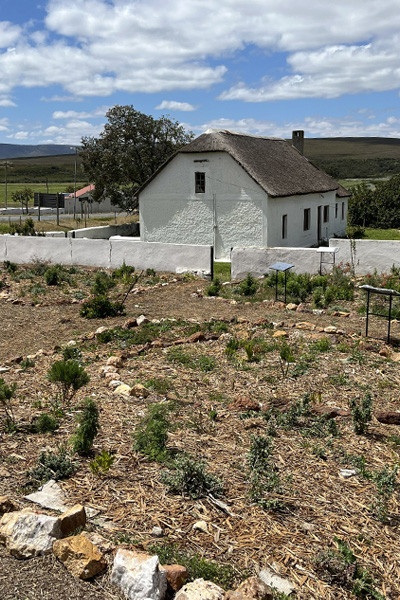
The Elim Biodiversity Conservation Garden, located in the historic Moravian mission village of Elim in the Agulhas Plain, is a living celebration of fynbos biodiversity, cultural heritage and environmental education.
Developed as part of BOT SOC’s Protecting and Restoring South Africa’s Natural Heritage project, this biodiversity garden was created with the support of local partners and youth trainees, combining conservation, skills development and community stewardship.
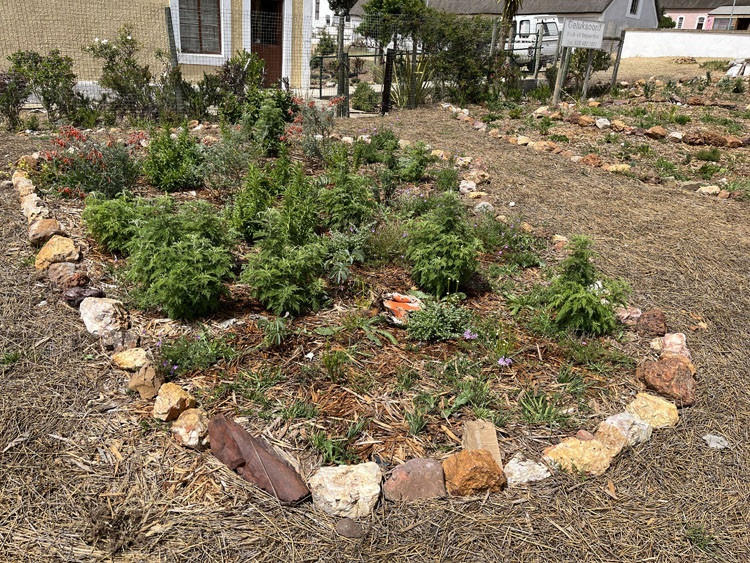
The garden showcases the unique plant diversity of the Cape Floristic Region, while creating opportunities for learning and community engagement.
THIS PROJECT IS MADE POSSIBLE BY:
Youth skills development and conservation training
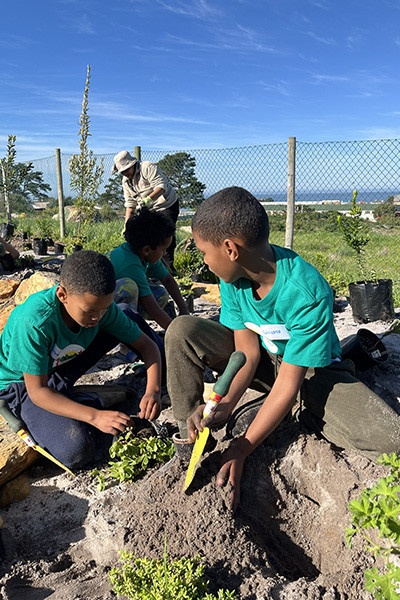
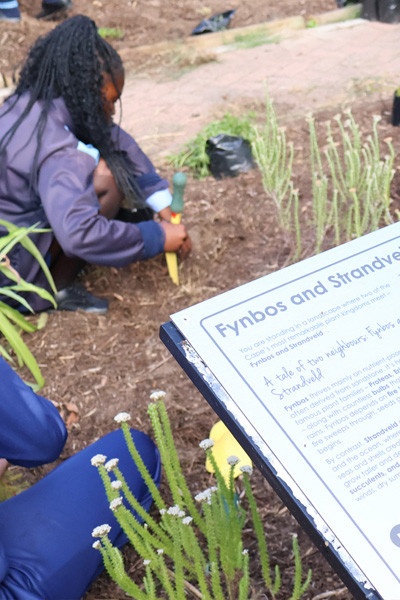
Three youth participants from the Agulhas region were trained as part of this project, hosted by the Nuwejaars Wetlands Special Management Area, a local non-profit conservation organisation.
Skills Development
These youth received both classroom-based and hands-on conservation training, developing skills in:
– Conservation horticulture
– Plant identification
– Alien invasive clearing
– Eco-landscaping
– Personal development
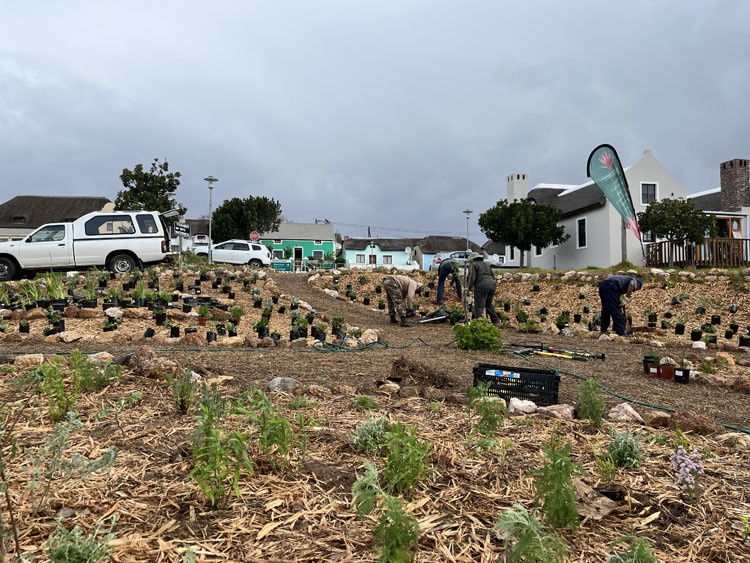
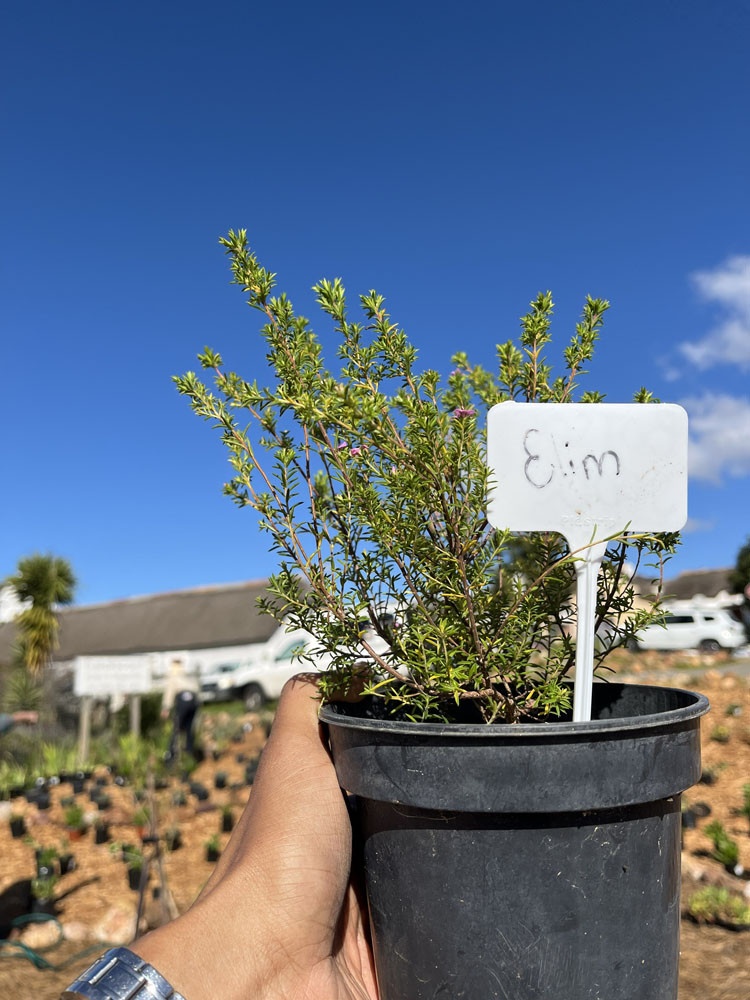
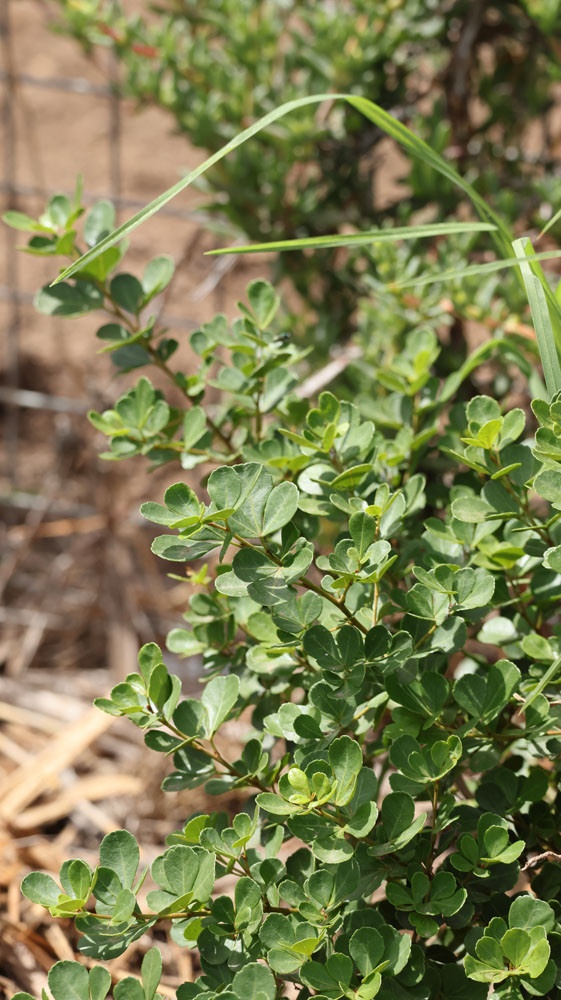
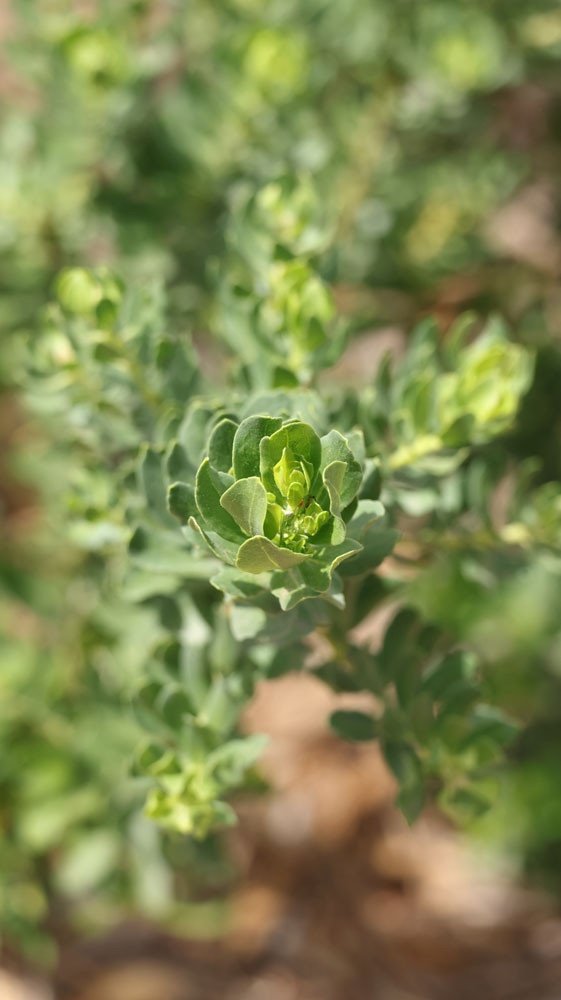
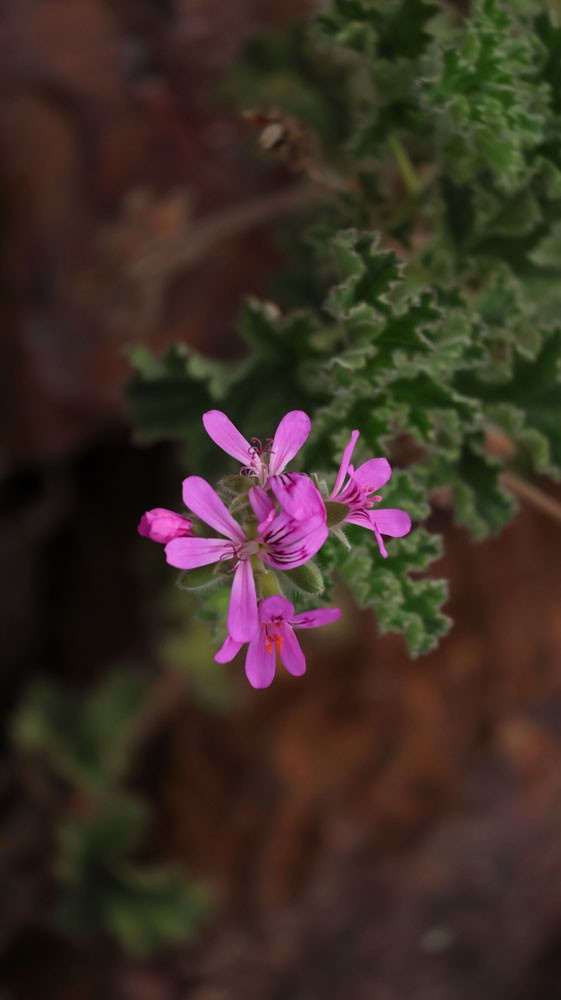
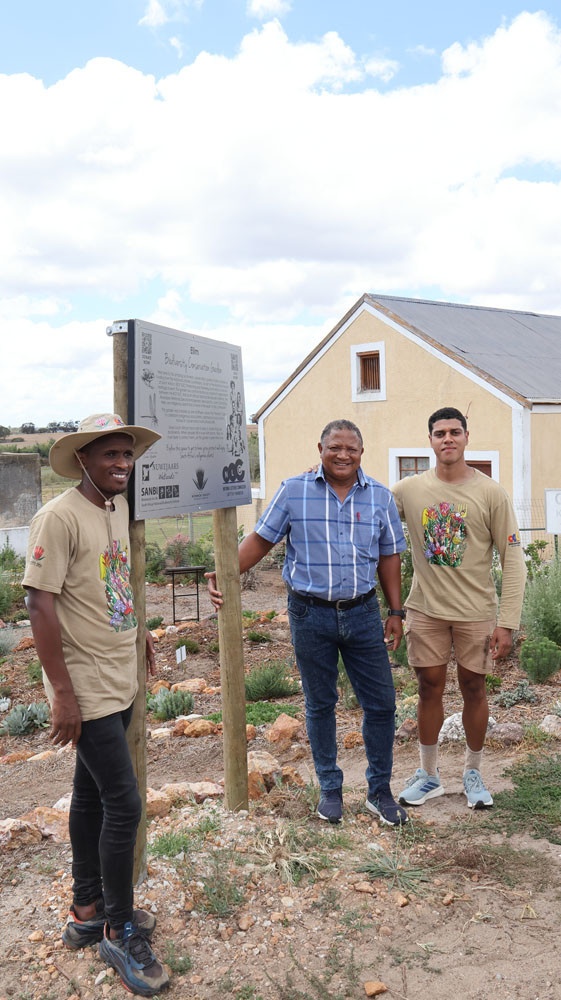
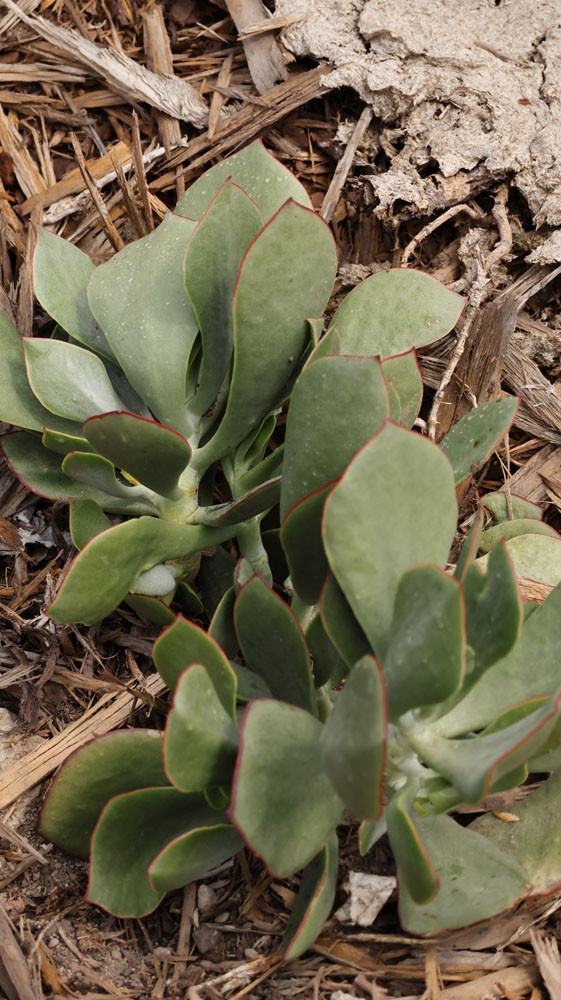

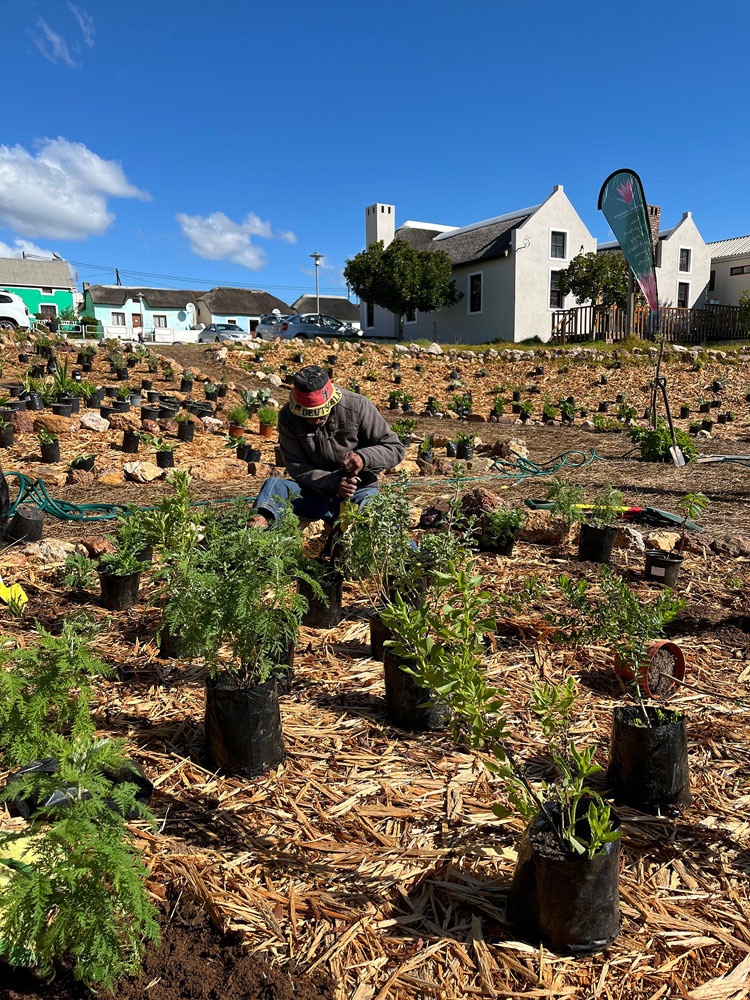
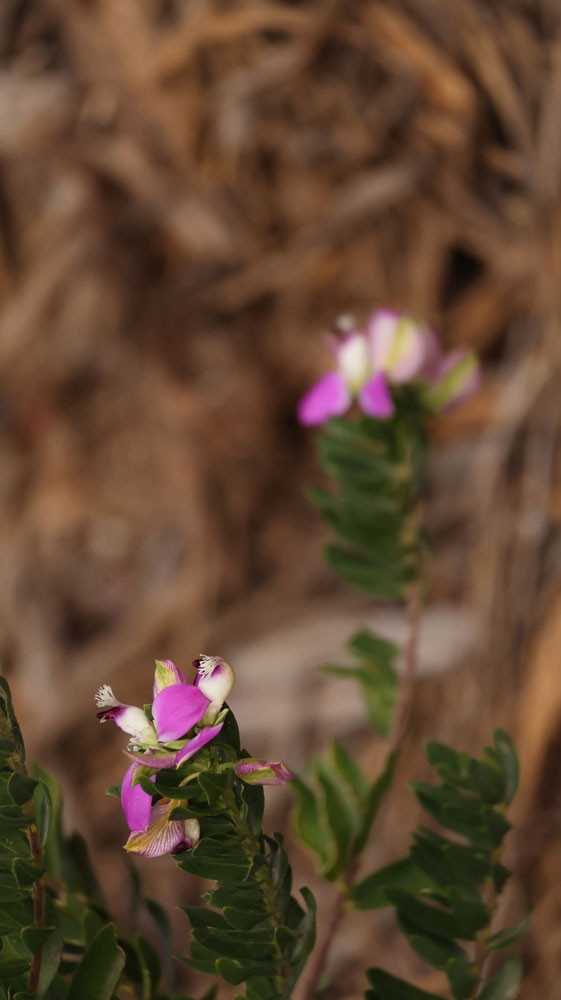
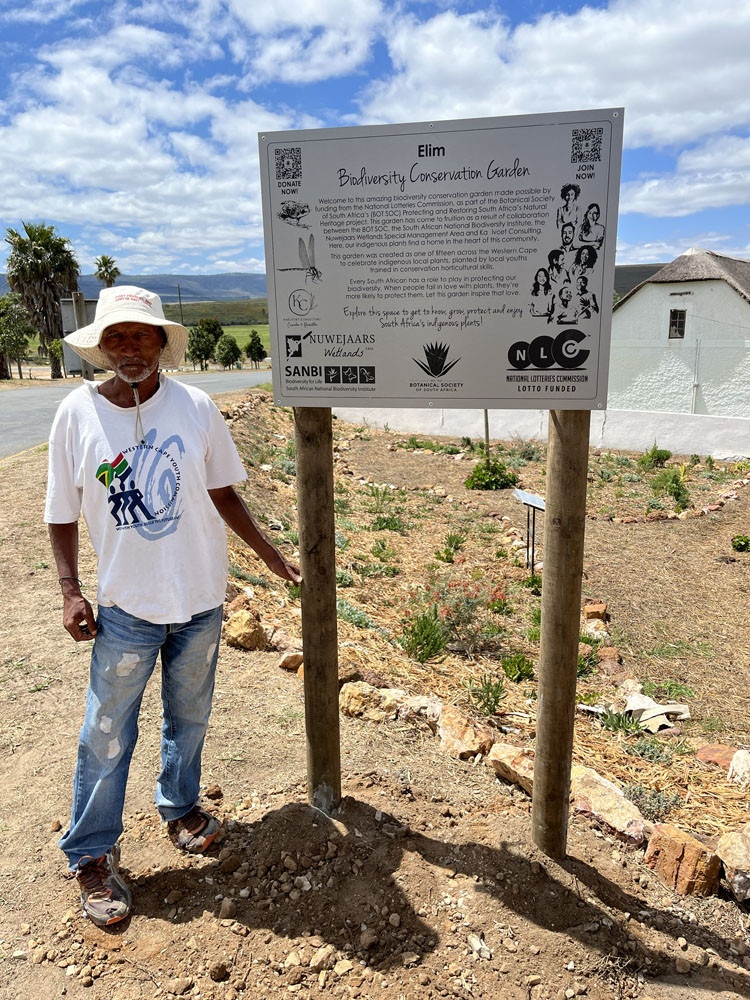
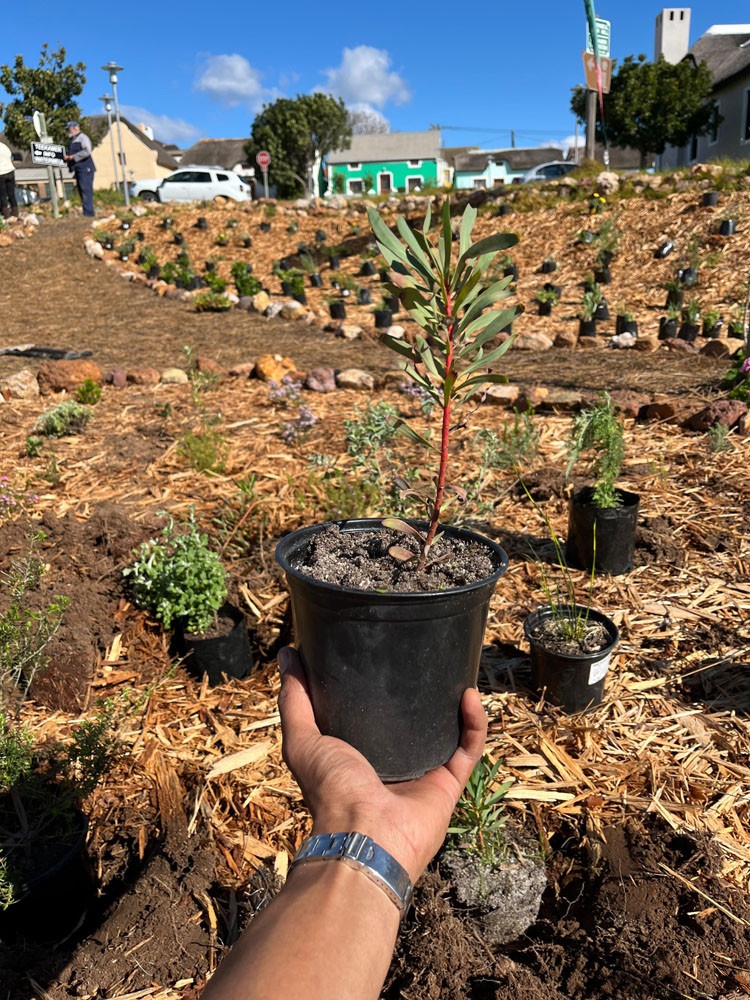
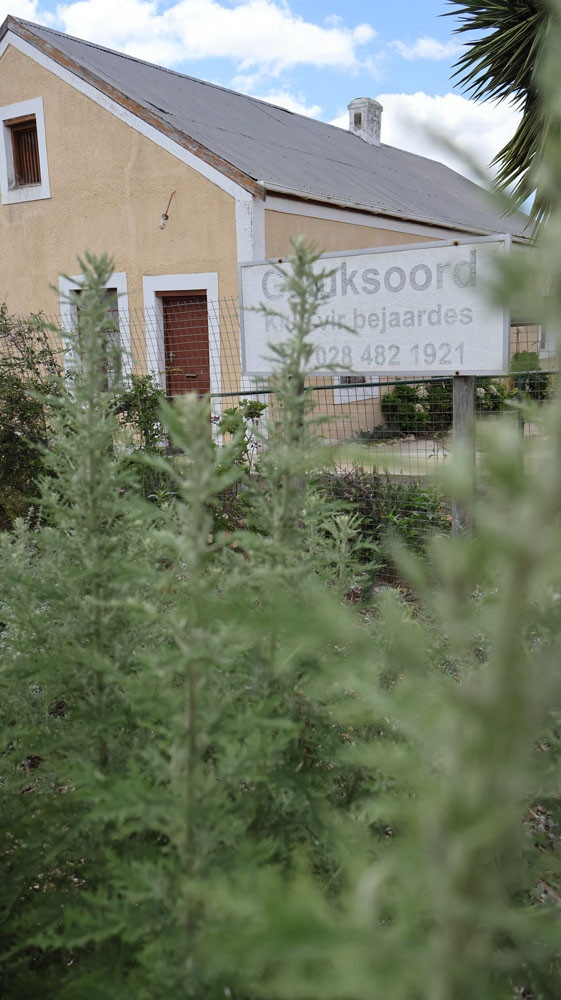
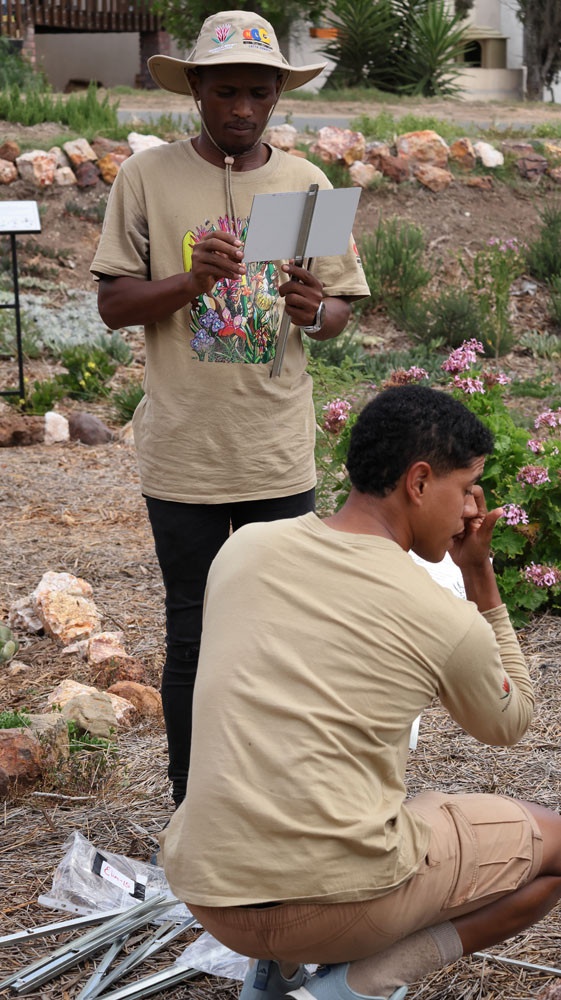
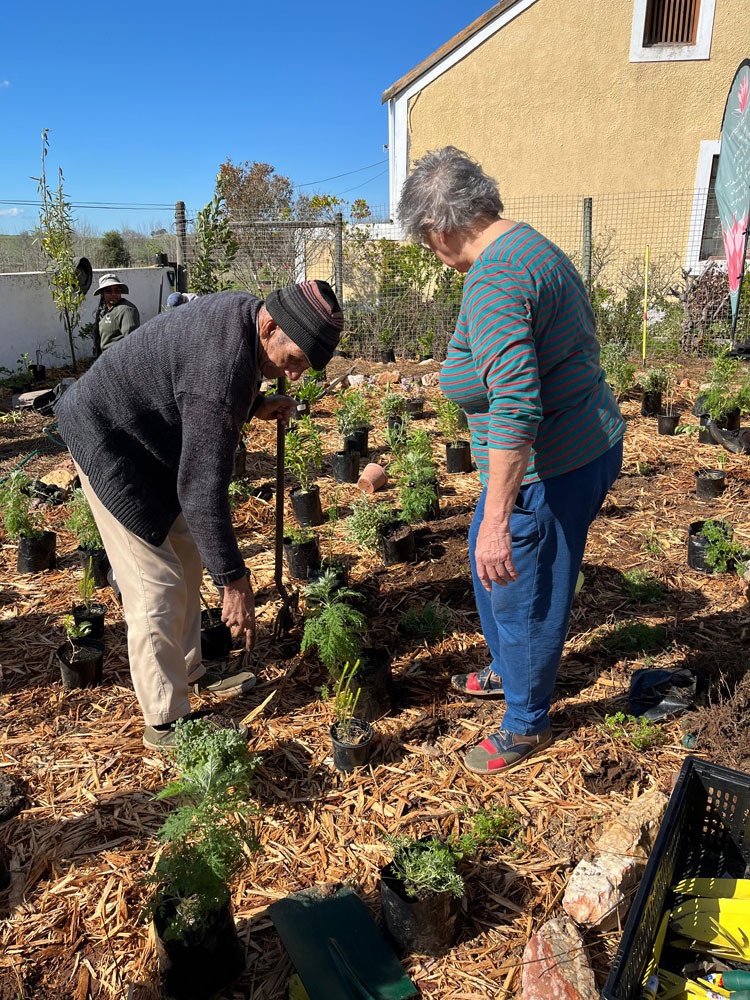
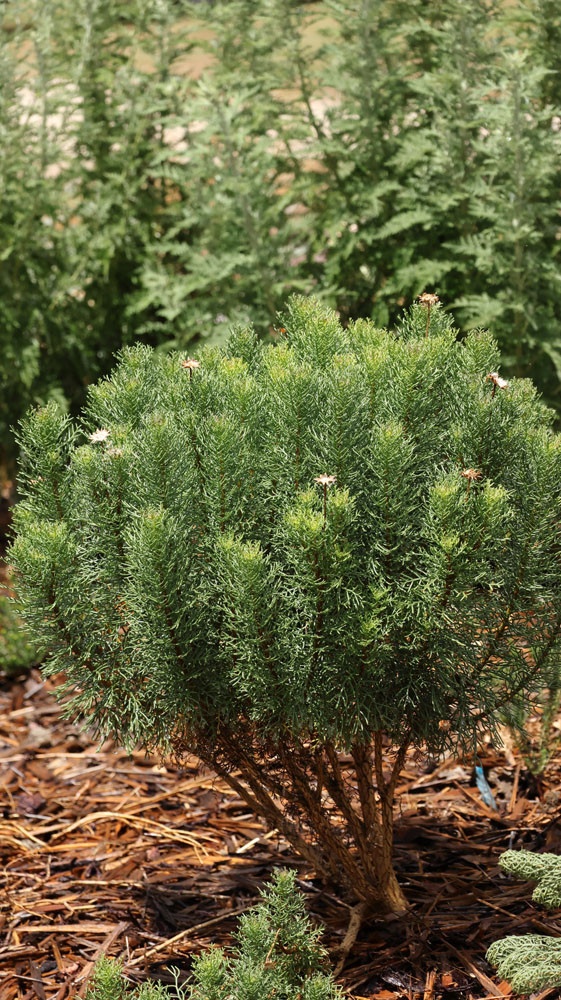
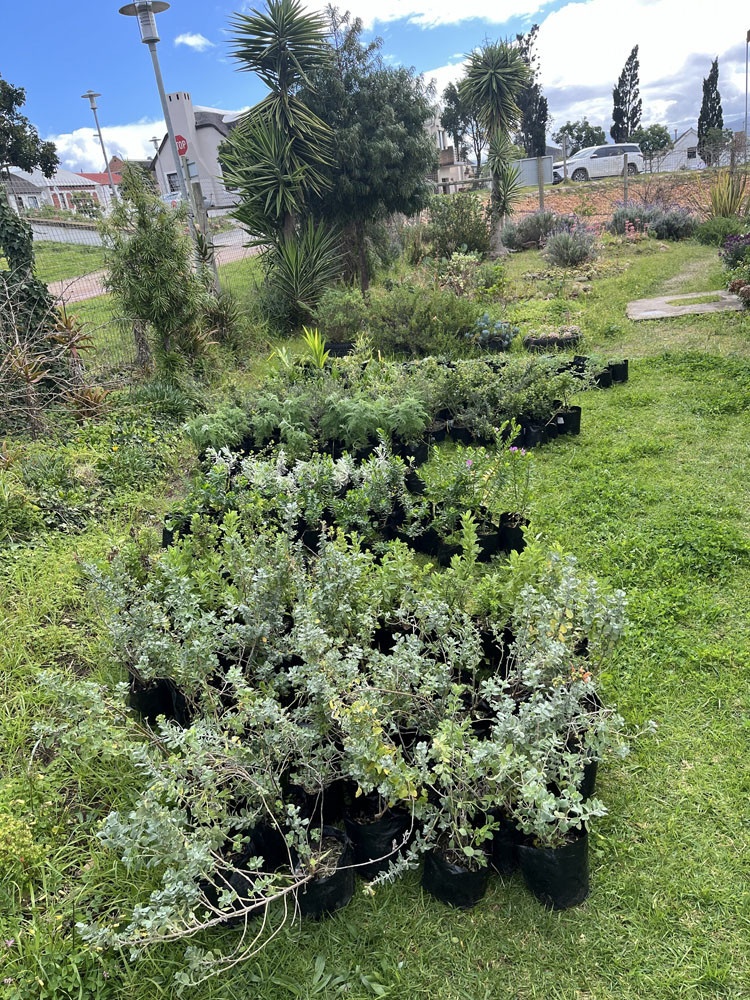
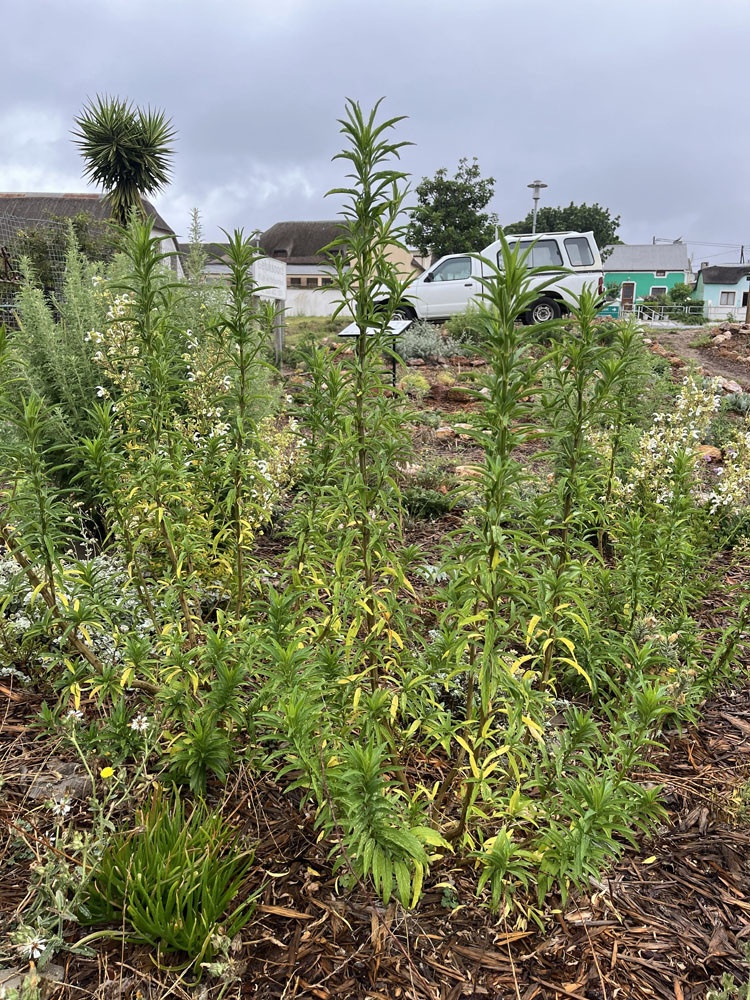
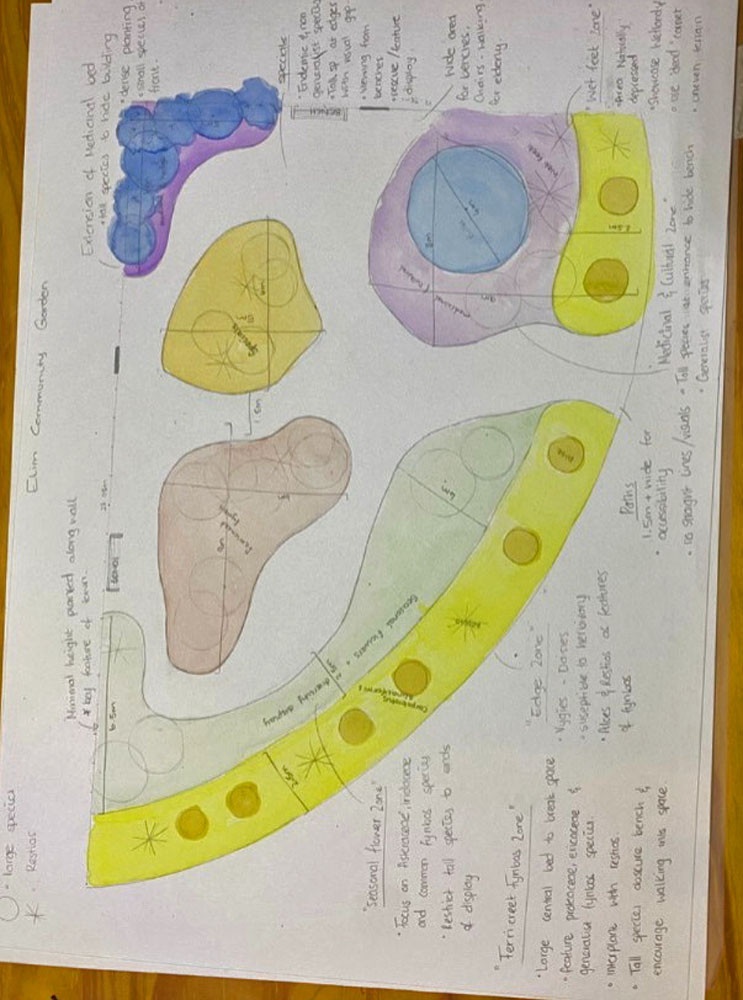
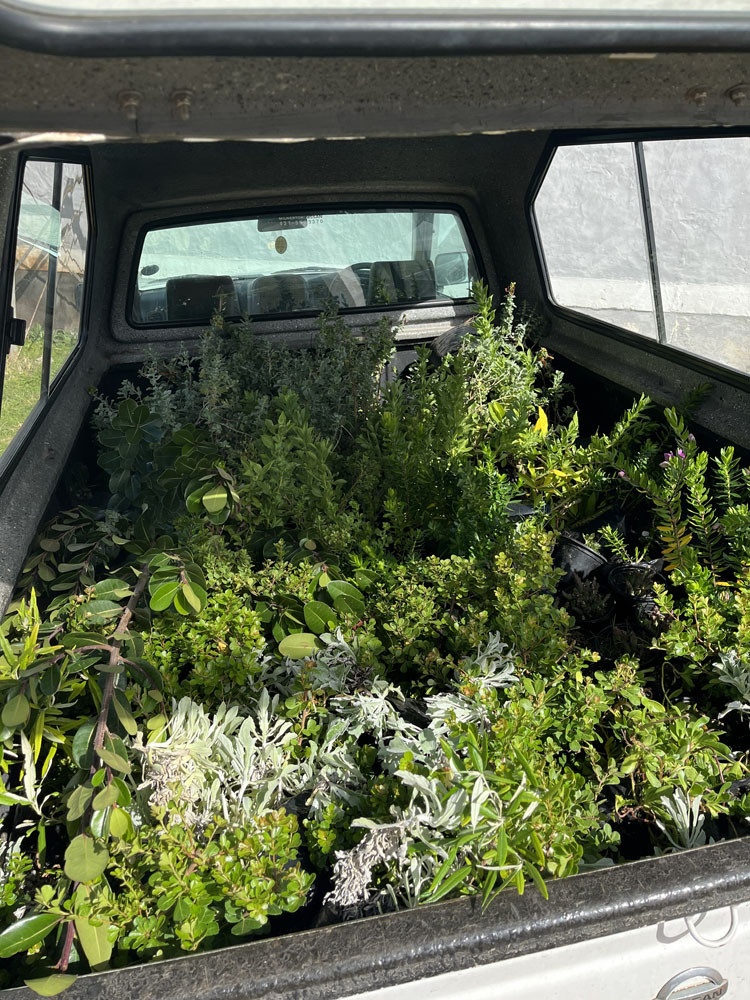
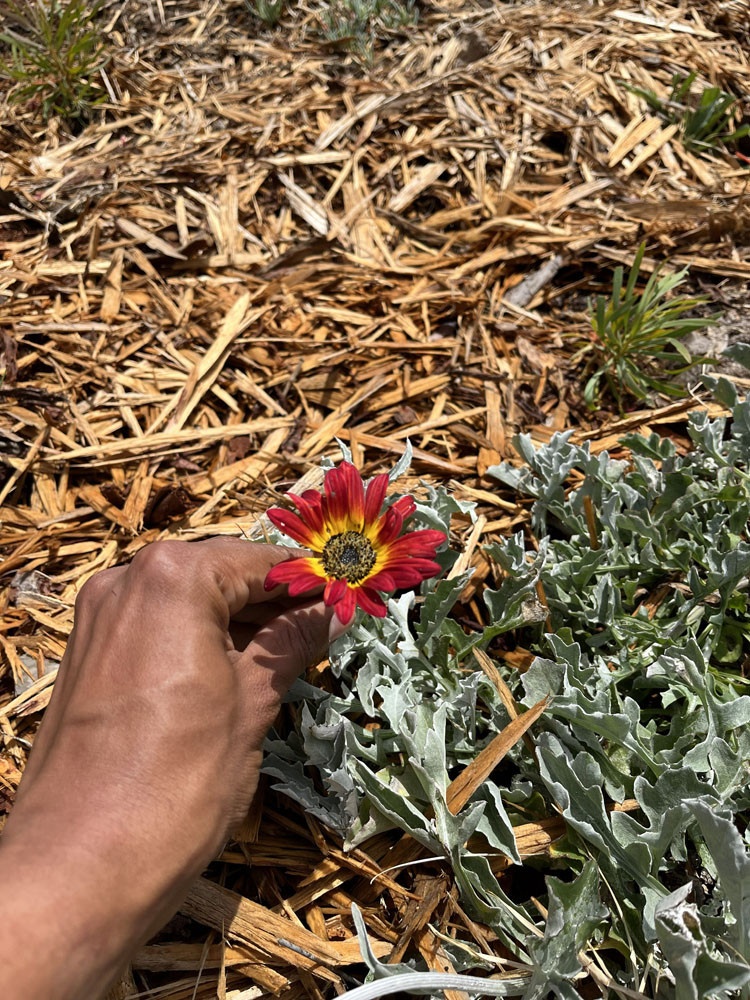
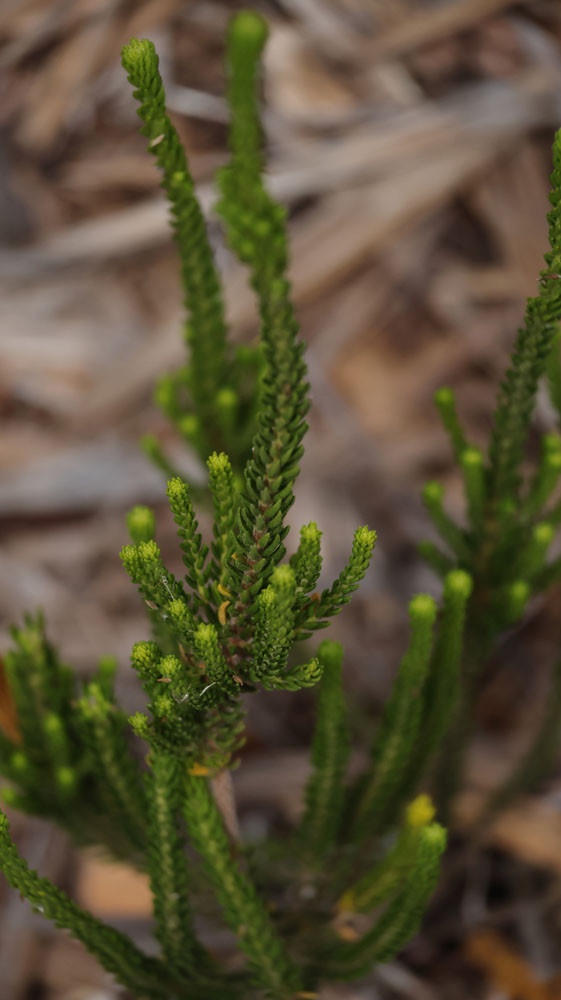
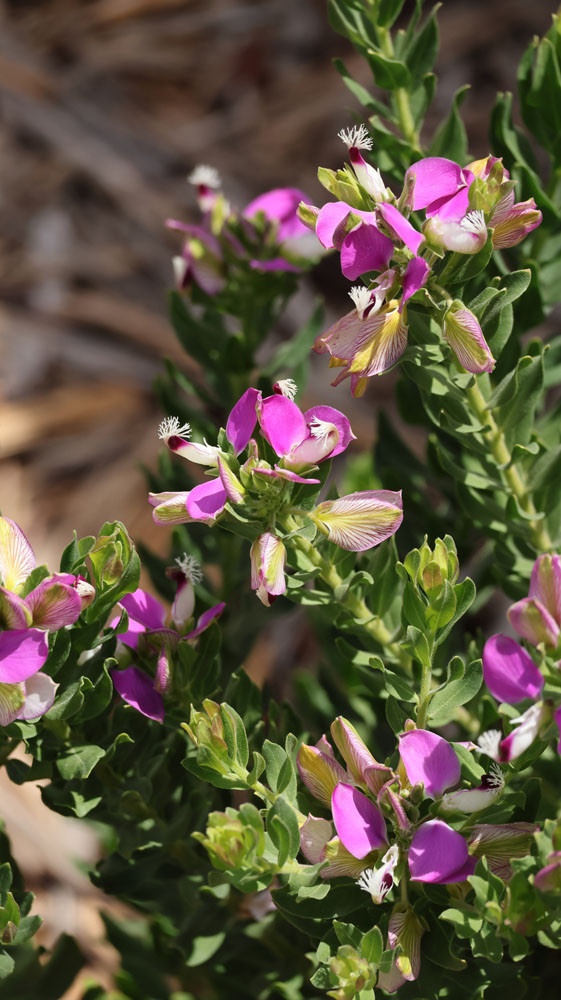
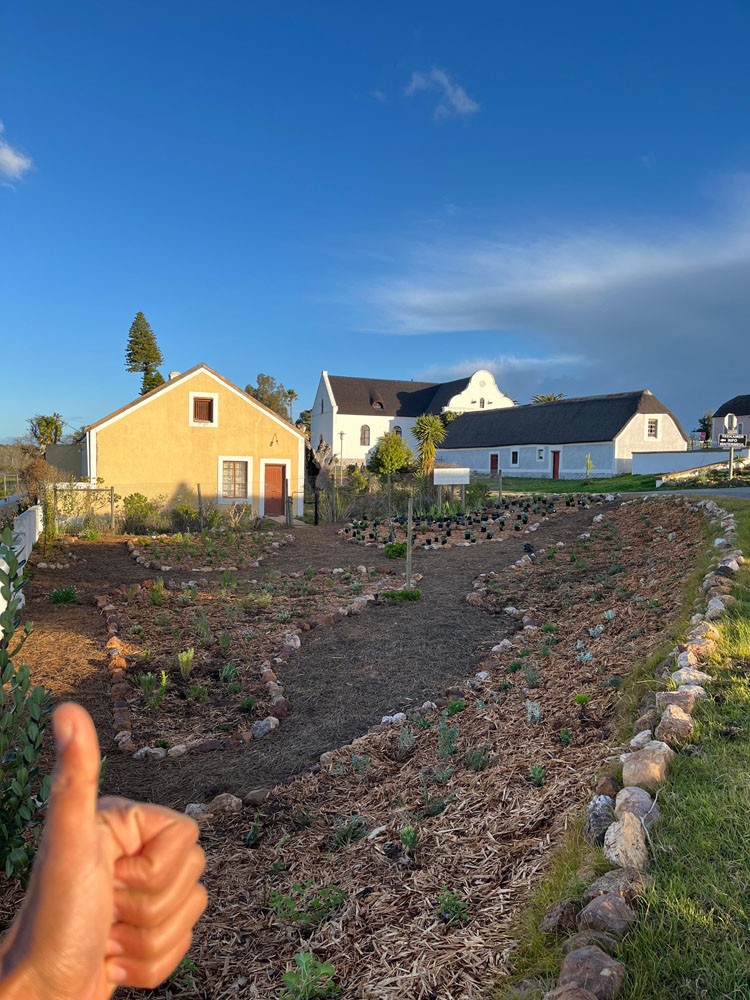
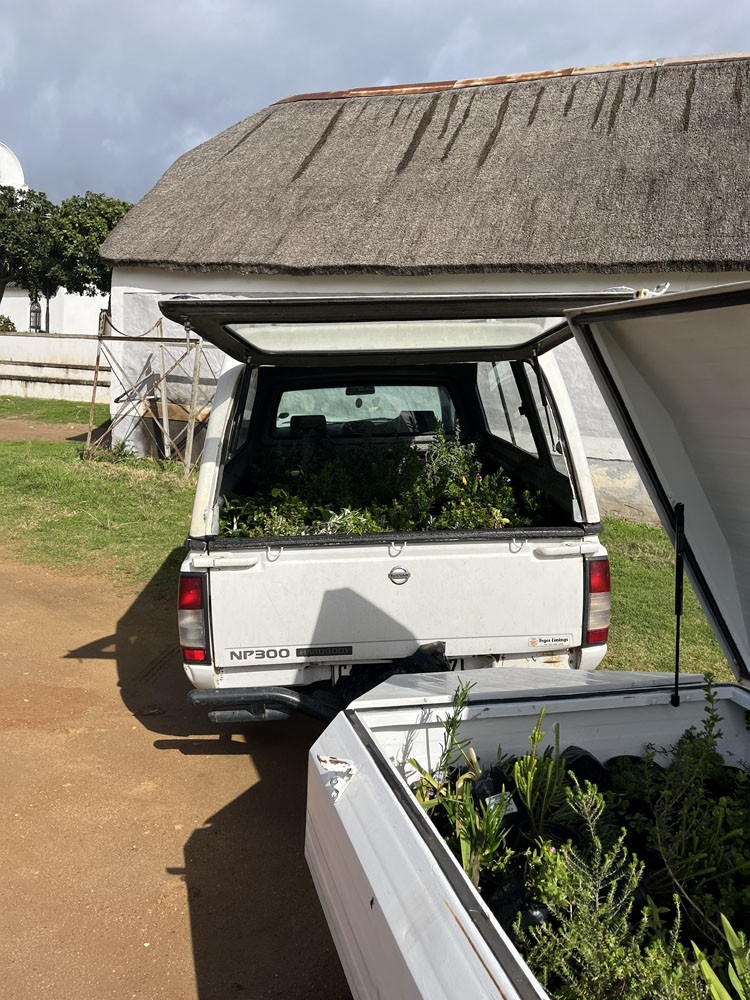
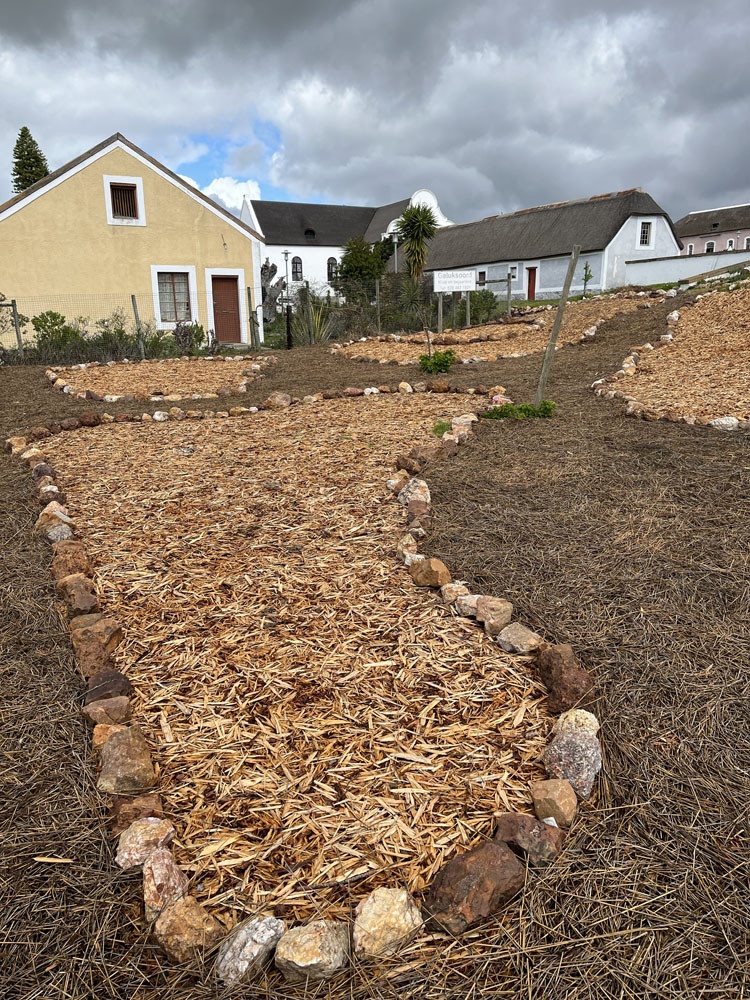
The youth also participated in citizen science activities with the Custodians of Rare and Endangered Wildflowers (CREW) Programme, capturing species observations on iNaturalist.
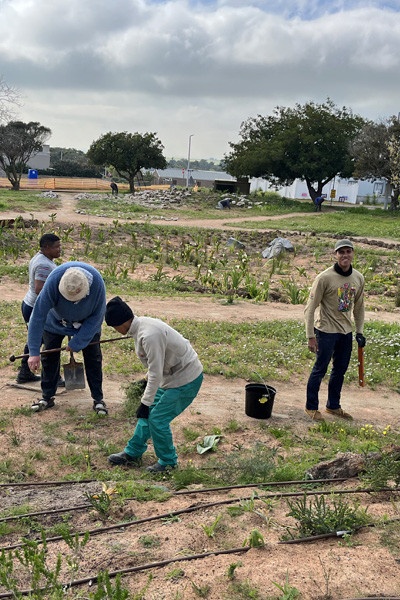
These newly developed skills were applied during the development and planting of the Elim Biodiversity Conservation Garden, where the youth played an important role in plant selection and garden establishment.
Why choose Elim?
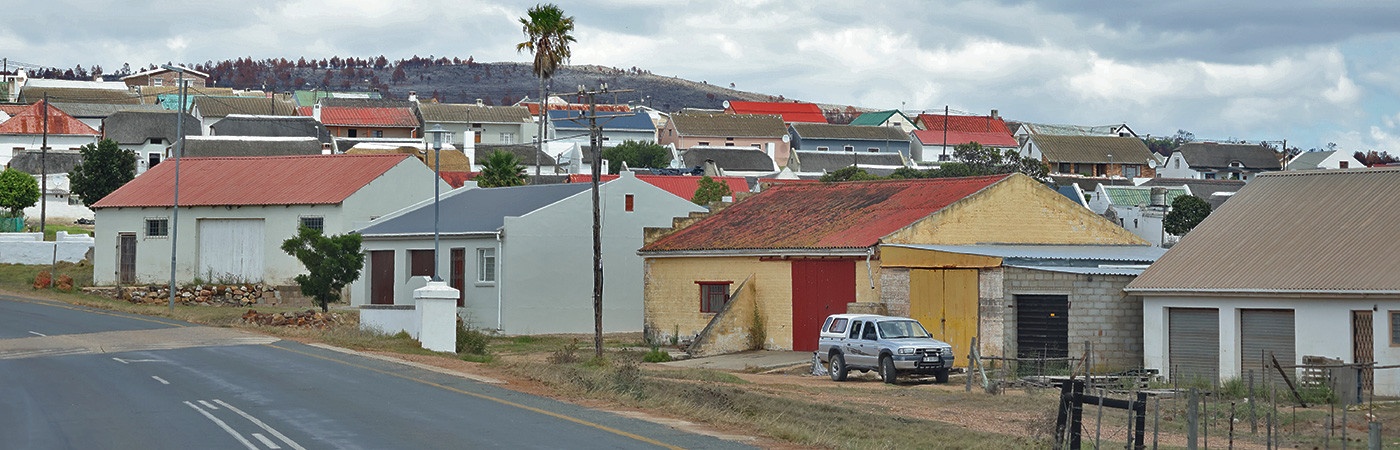
Elim is a historic Moravian mission village in the Agulhas Plain and a recognised national heritage site, known for its rich cultural history and unique fynbos vegetation.
This made Elim the perfect location for a biodiversity conservation garden that celebrates both natural heritage and cultural identity.
With permission from the Elim Overseers Council – the organisation that manages the town – the garden was developed as a living tribute to local flora, allowing residents and visitors to connect with the natural beauty of the Agulhas region.
The importance of the area: Elim Ferricrete Fynbos
The garden highlights the remarkable plant diversity of the fynbos biome, part of the Cape Floristic Region biodiversity hotspot.
Special attention was given to Elim Ferricrete Fynbos, an endangered vegetation type found in the region.
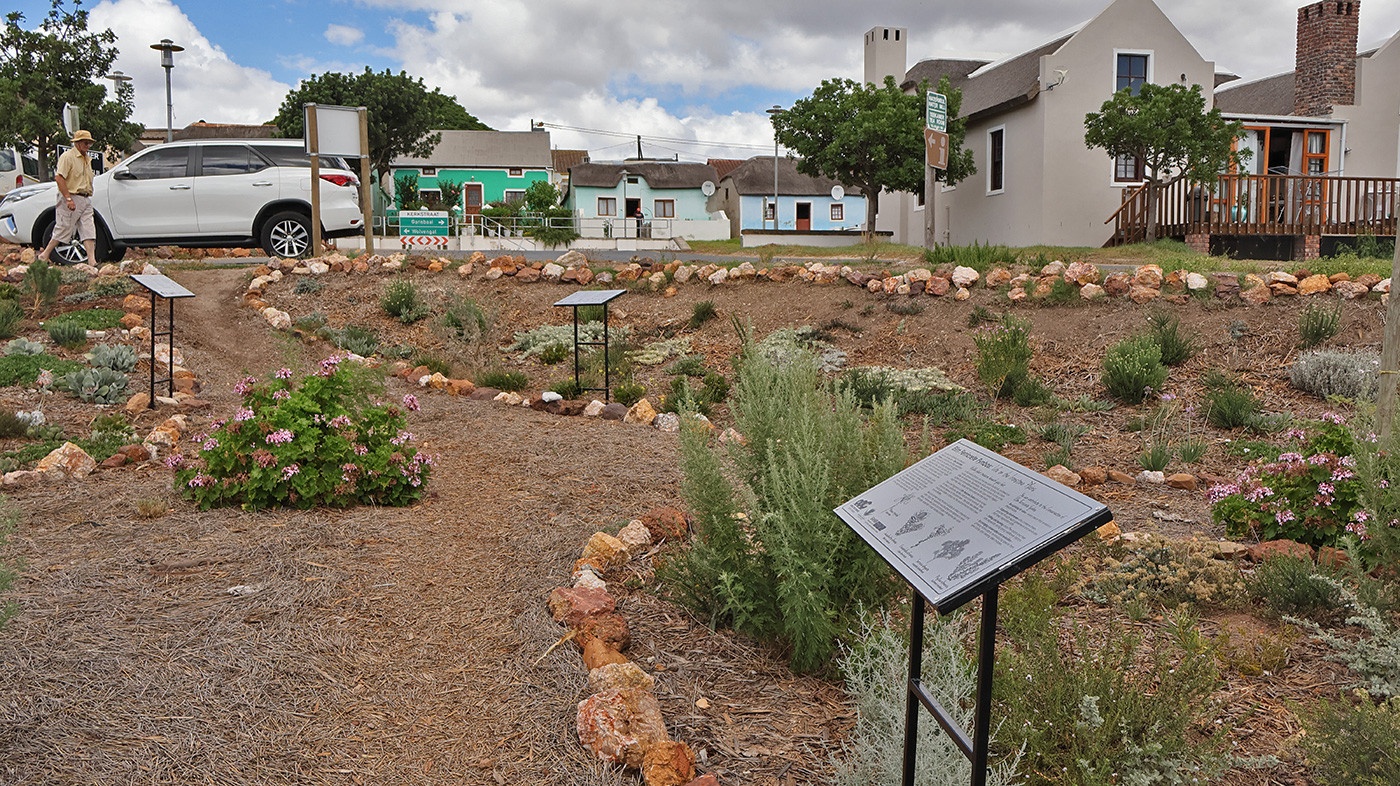
The garden includes several themed planting areas:
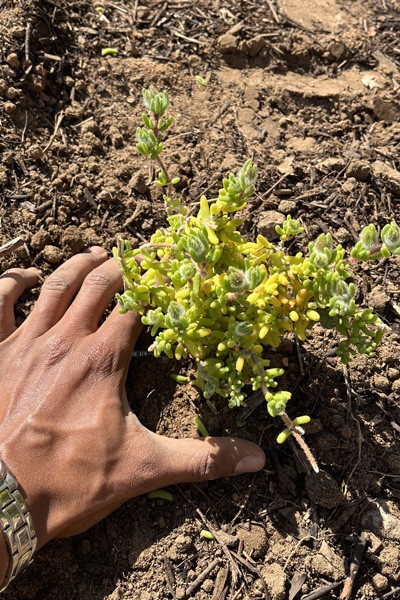
– Fynbos bed – showcasing characteristic shrubland species
– Medicinal plant bed – highlighting traditional healing plants
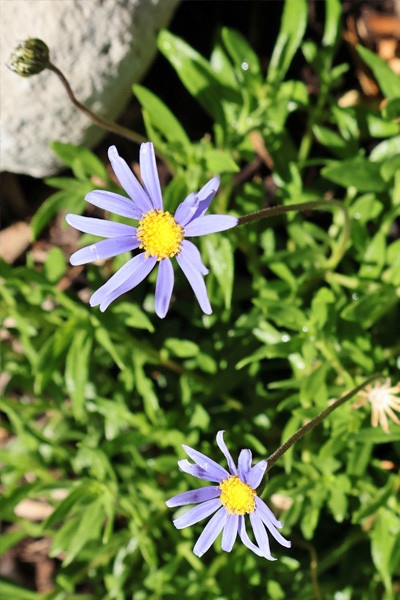
– Bulb bed – displaying the region’s geophyte diversity
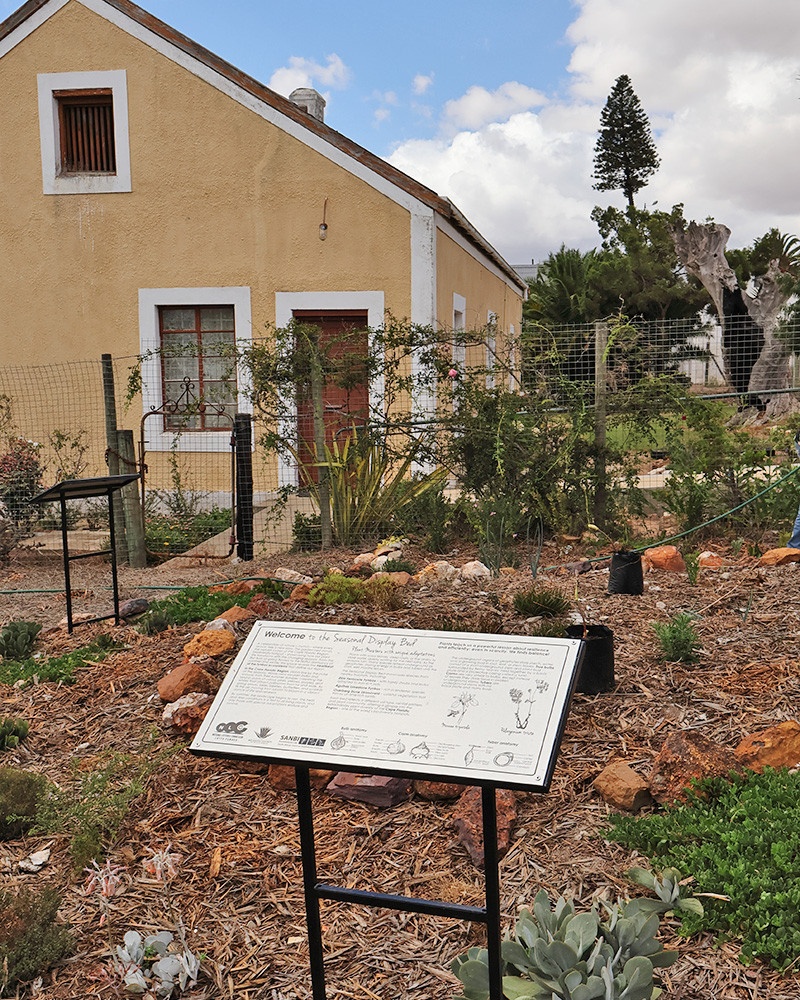
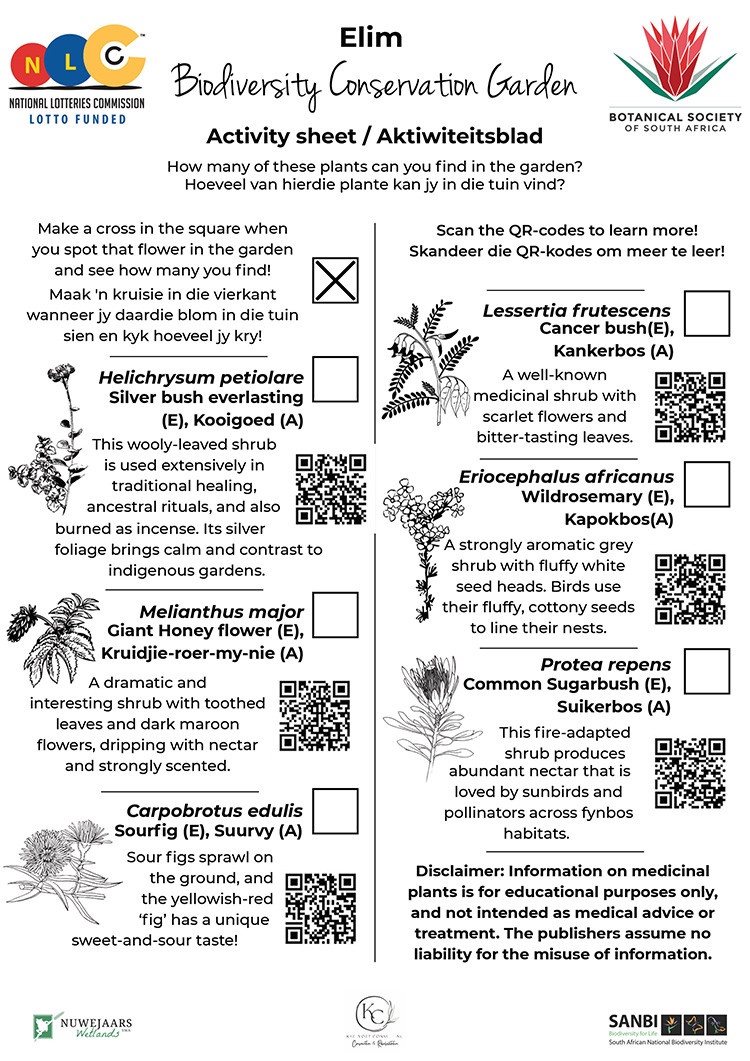
Interpretive plant labels were also designed providing information on:
– Scientific and common names
– Plant characteristics
– Cultural value
– The value of the Agulhas region
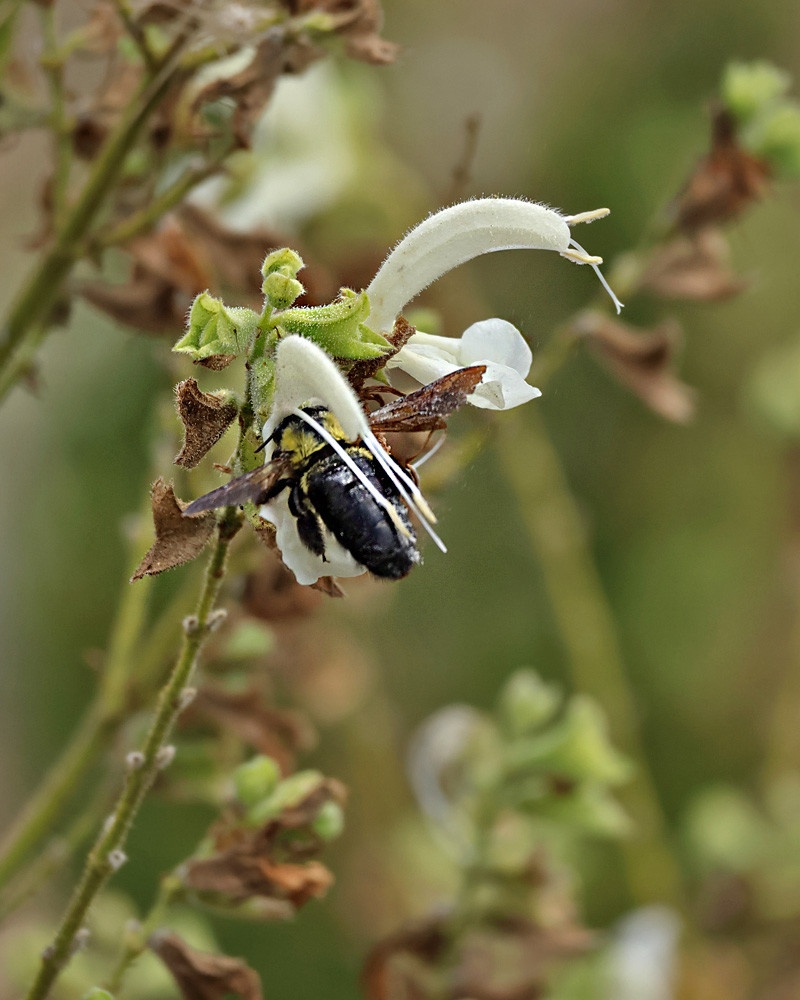
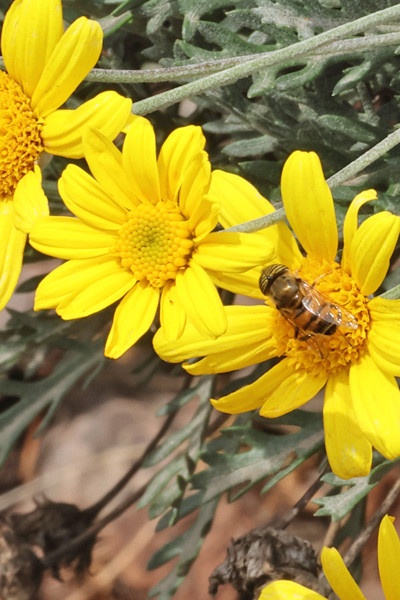
– Pollinators
Each label also includes a QR code linking to SANBI’s PlantZAfrica website, allowing visitors to learn more about each species. Interpretive signage was developed by BOT SOC and designed by Jeanette Erasmus.
Partnerships behind the garden
The Elim Biodiversity Conservation Garden was made possible through strong partnerships.
Key partners included:




Elim Overseers Council Youth trainees
Corné Brink from Kaëlvoet Consulting designed the overall garden layout and provided specialist guidance on plant placement and selection.
Tools and resources donated to the garden
To support long-term sustainability, BOT SOC donated gardening equipment and resources to the Elim community.
These included:
Gardening tools | Hosepipe | Maintenance equipment
These tools help ensure the garden can be maintained and cared for by the local community.
The role of the
Botanical Society
of South Africa
BOT SOC played a central role in the creation of the Elim Biodiversity Conservation Garden – as part of the Protecting and Restoring South Africa’s Natural Heritage project, funded by the National Lotteries Commission.
BOT SOC supported the project by supporting and funding:
– Youth training and skills development
– Garden planning and coordination
– Indigenous plant selection
– Development of educational signage
– Community engagement
– Partnerships coordination
Community stewardship
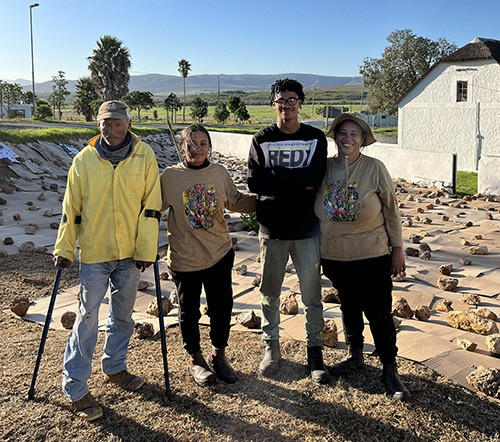
This garden is a gift to the Elim community, and local residents have already played an important role in its success.
They have also shown their willingness to continue caring for the garden into the future, ensuring its long-term sustainability.
You can get involved: Visit the garden
The Elim Biodiversity Conservation Garden now serves as a living classroom, connecting people with plants and biodiversity – a space for visitors to experience when travelling through the region.
Residents, visitors and learners can explore the beautiful but threatened fynbos that occurs in the region through this community space.
Signage allows visitors to better understand the unique plant diversity and the cultural value of the plants.
Explore the
garden resources
DOWNLOAD:
Get to know the other biodiversity gardens
Darling Biodiversity Conservation Park
WESTERN CAPE
Elim Biodiversity Conservation Garden
WESTERN CAPE
Kleinmond Lapa Biodiversity Conservation Garden
WESTERN CAPE
Inkcubeko Youth and Science Centre Biodiversity Conservation Garden
WESTERN CAPE
Esselen Park High School Biodiversity Conservation Garden
WESTERN CAPE
Wemmershoek Primary School Biodiversity Conservation Garden
WESTERN CAPE
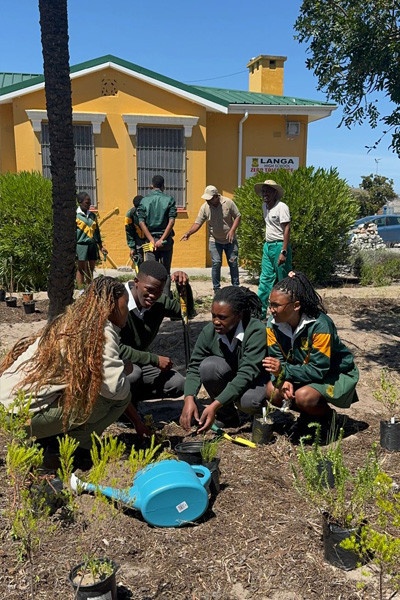
Langa High School Biodiversity Conservation Garden
CAPE TOWN
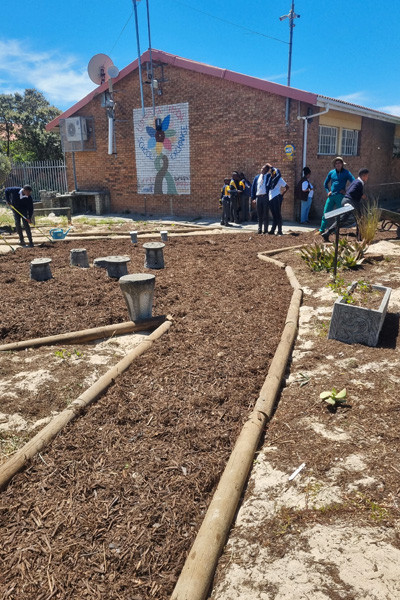
Luhlaza High School Biodiversity Conservation Garden
CAPE TOWN
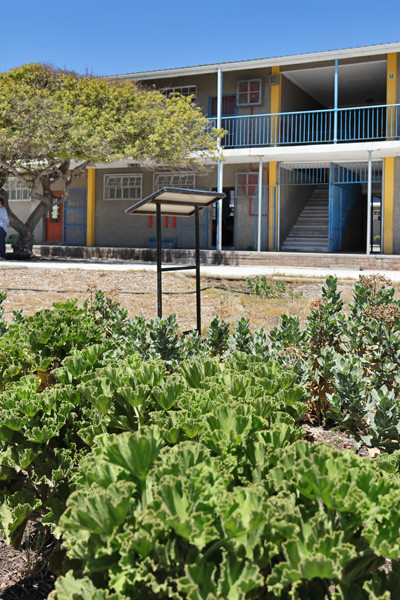
Spineview Primary School Biodiversity Conservation Garden
CAPE TOWN
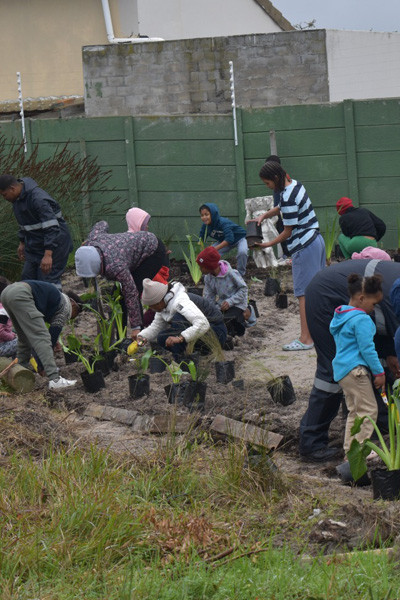
SOS Children’s Village Biodiversity Conservation Garden
CAPE TOWN
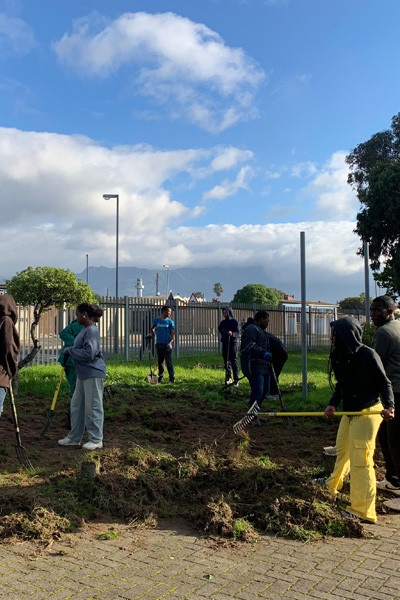
Sibelius High School Biodiversity Conservation Garden
CAPE TOWN
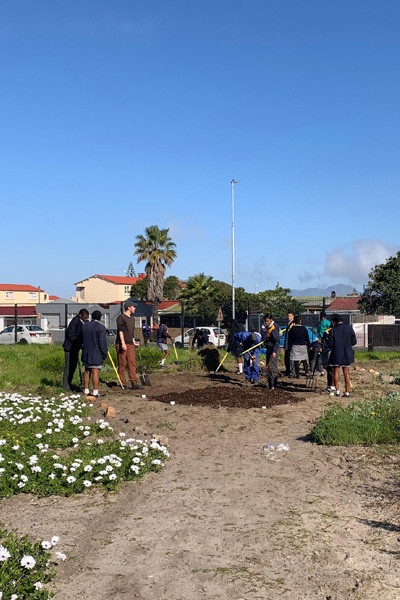
Crestway High School Biodiversity Conservation Garden
CAPE TOWN
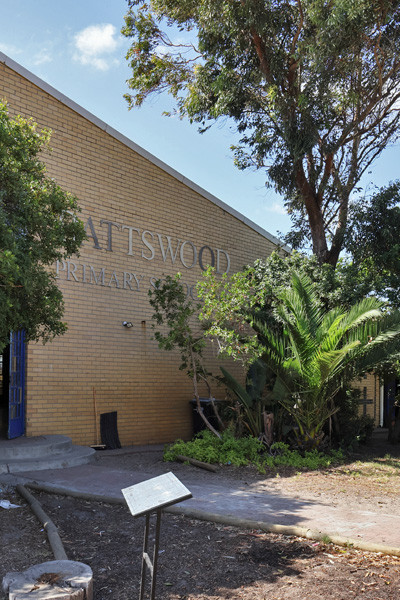
Battswood Primary School Biodiversity Conservation Garden
CAPE TOWN
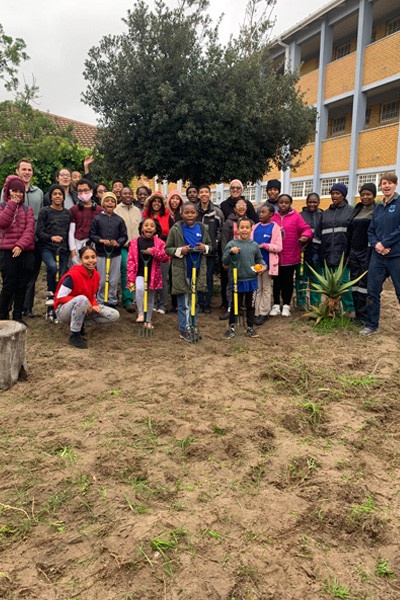
Steenberg High School Biodiversity Conservation Garden
CAPE TOWN
Masiphumelele High School Biodiversity Conservation Garden
CAPE TOWN

Hours
Tuesdays from 08h00 to 16h00. Closed from Wednesday to Monday and public holidays.
Contact Us
We are experiencing intermittent faults with our landlines. If you can't get through on our landline +27 (0) 21 797 2090 , please phone or send a message to our alternate WhatsApp number: +27 (0) 65 922 6163.
Notice
From 1 March 2026, our office located inside Kirstenbosch National Botanical Garden (through Gate 2) will be open to assist members on Tuesdays only (08:00 – 16:00).