Know, grow, protect and enjoy South Africa's indigenous plants
Protecting and restoring South Africa’s natural heritage
Youth biodiversity conservation project Botanical Society of South Africa
In late 2024, the Botanical Society of South Africa (BOT SOC) launched a new project, called Protecting and Restoring South Africa’s Natural Heritage, based in the Western Cape. Funded by the National Lotteries Commission (NLC) and supported by the South African National Biodiversity Institute (SANBI), this initiative combined youth skills development and biodiversity conservation to protect South Africa’s natural heritage.
This youth conservation training project equipped young people with practical environmental skills while contributing directly to biodiversity conservation in Important Plant Areas (IPAs) in the Western Cape – sites of exceptional conservation significance that safeguard many of South Africa’s most threatened species.
Together with conservation partners and local communities, we are building a nature-positive future – restoring habitats, empowering youth and strengthening conservation capacity and awareness across South Africa.
Why this project matters
South Africa is home to extraordinary plant diversity, yet many species and ecosystems face growing threats from habitat loss, invasive species, climate change and land degradation.
This project responded to these challenges by:
– Training youth in conservation skills and ecological restoration
– Supporting Important Plant Areas (IPAs) in the Western Cape
– Strengthening citizen science and biodiversity monitoring
– Creating school and community biodiversity gardens
– Expanding plant conservation awareness and engagement
By combining youth employment, conservation training and protection of indigenous plants, this project contributed to a more resilient and sustainable future.
The BOT SOC Natural Heritage project brought together four interconnected components:
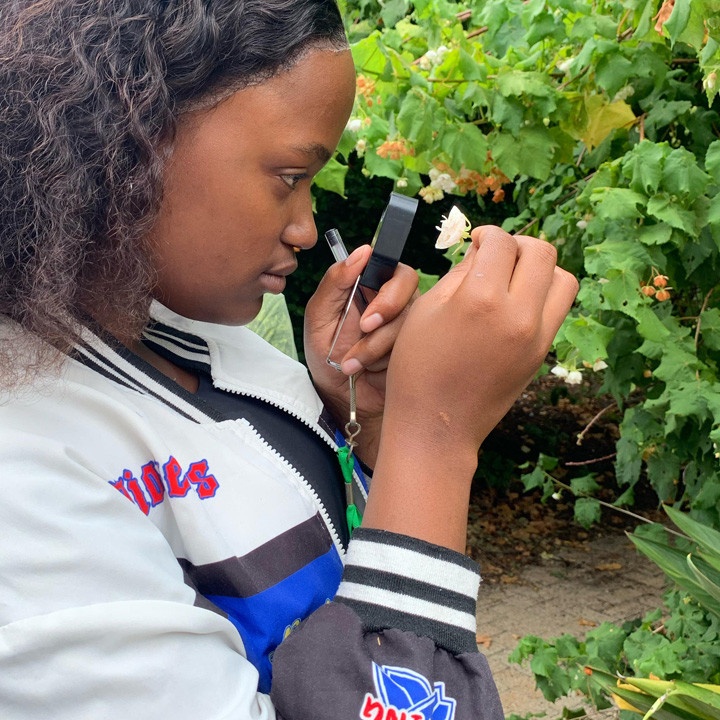
Strengthening citizen science
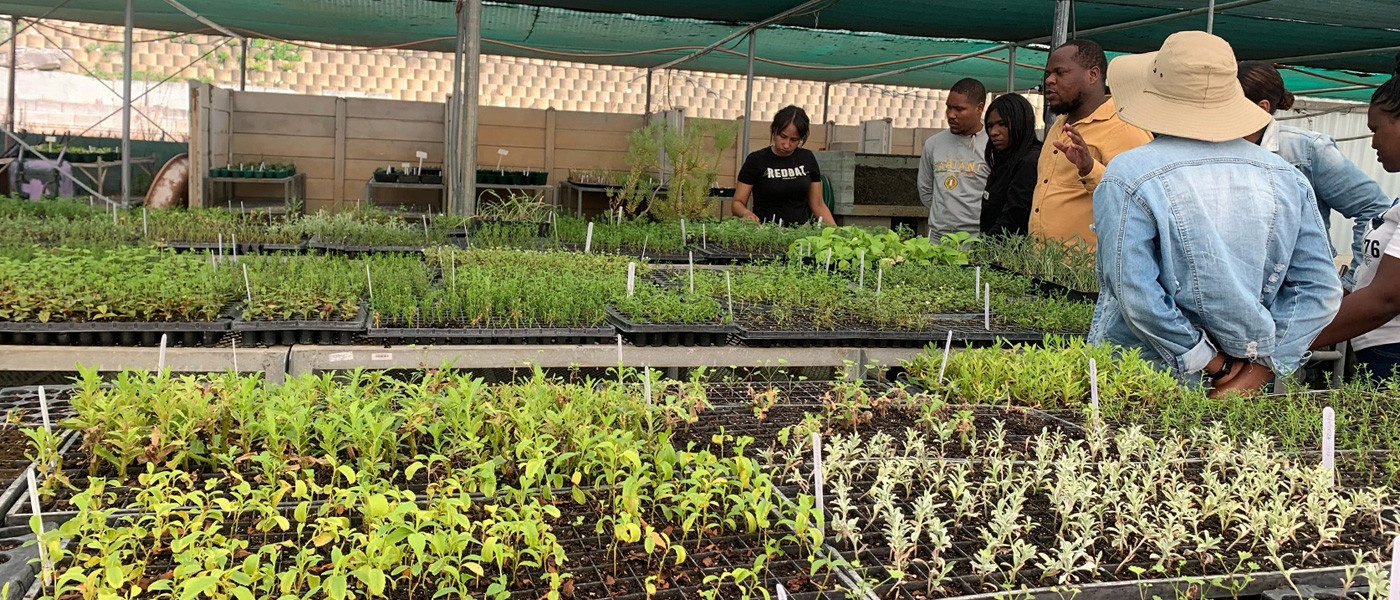
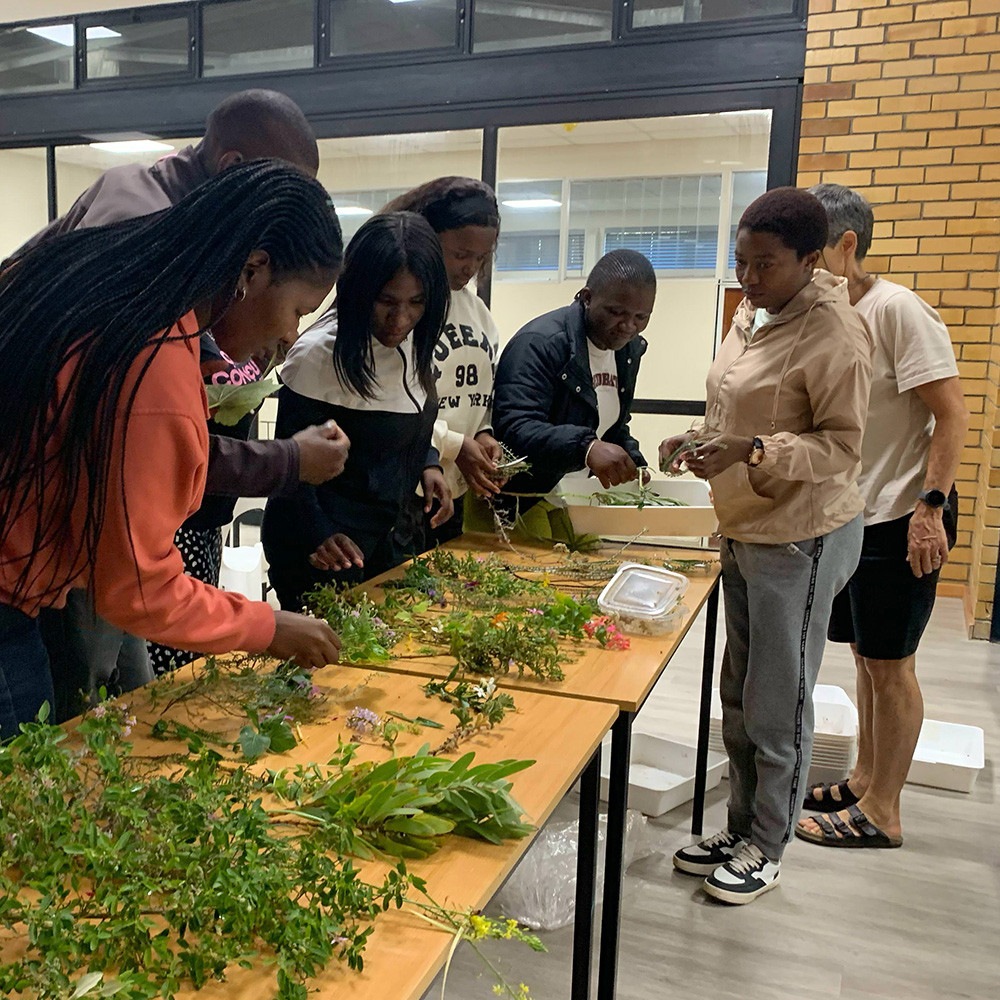
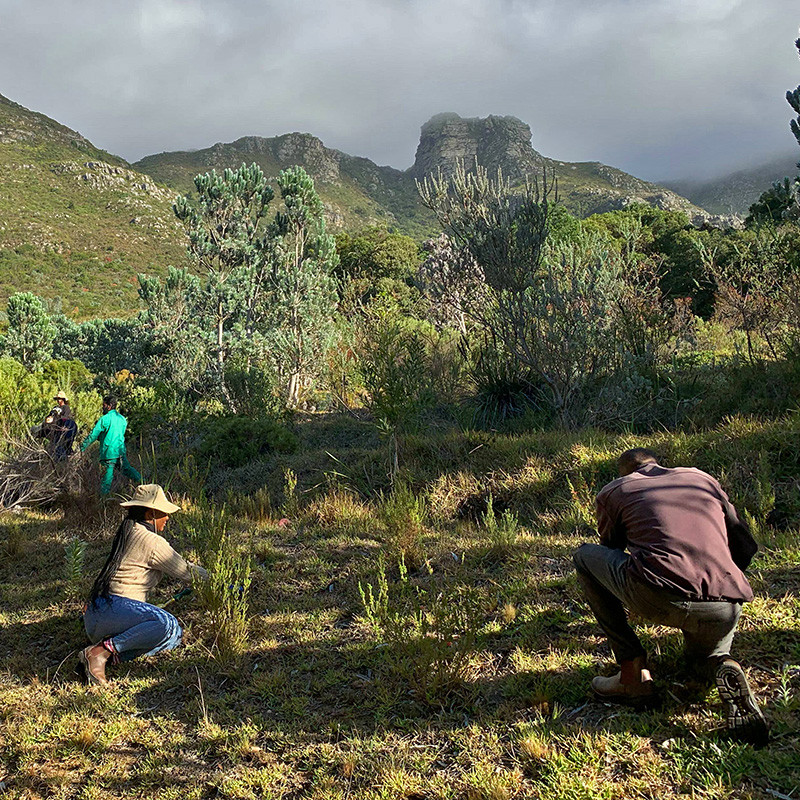
Youth were trained in plant identification, biodiversity monitoring and citizen science, contributing valuable data to national conservation platforms through collaboration with SANBI and the CREW (Custodians of Rare and Endangered Wildflowers) Programme.
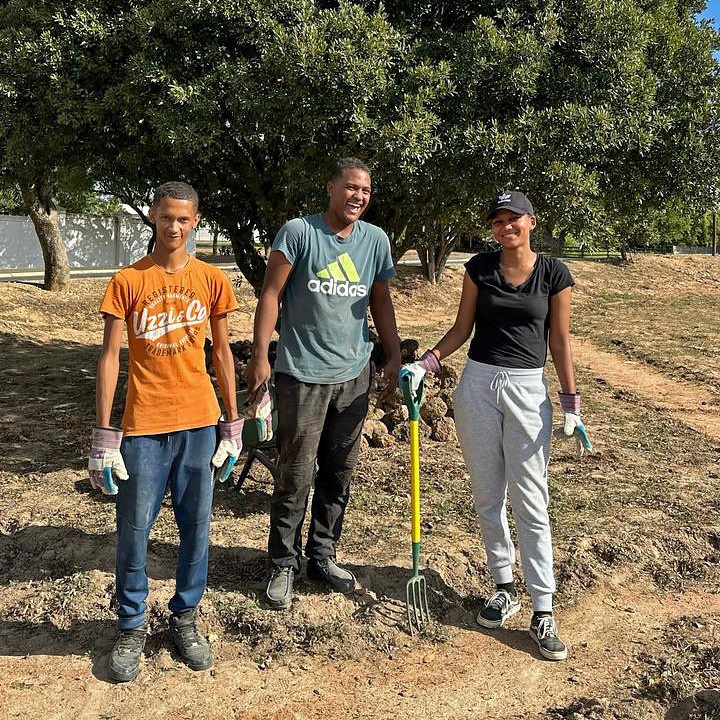
Upskilling youth for conservation careers
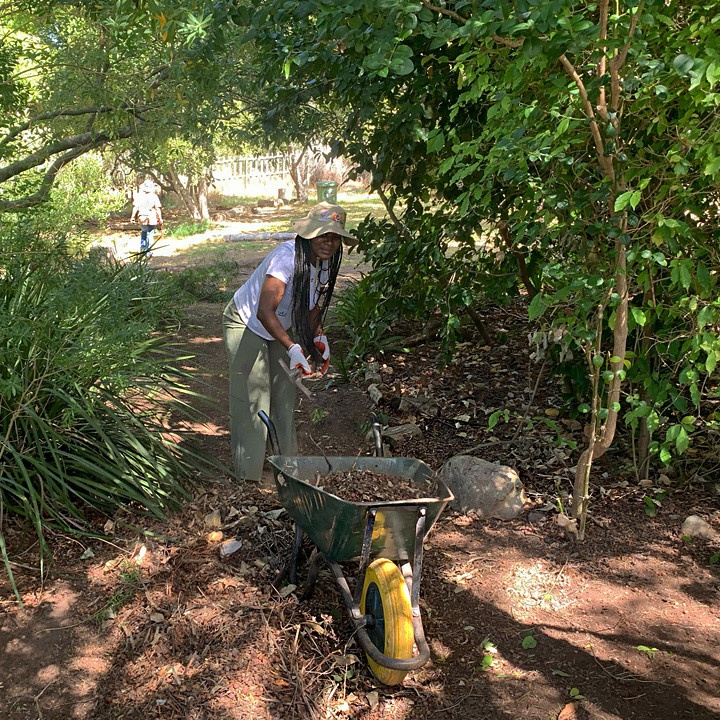
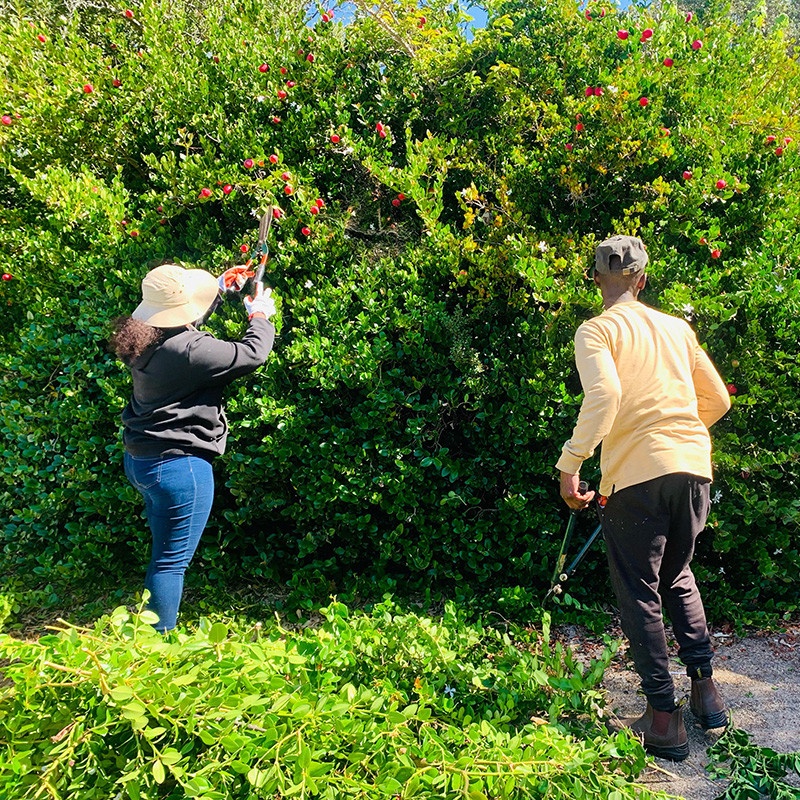
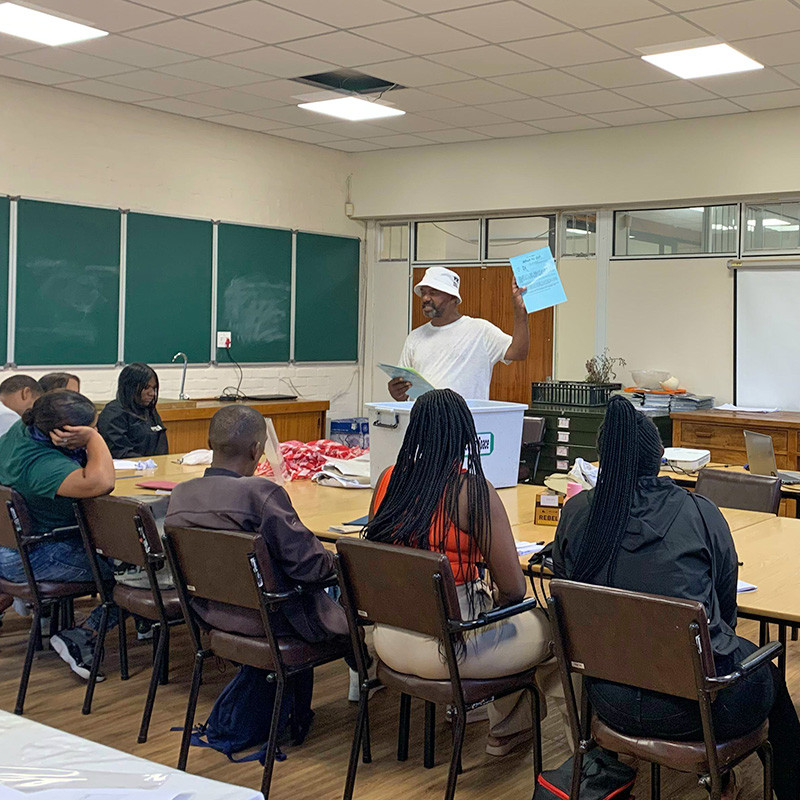
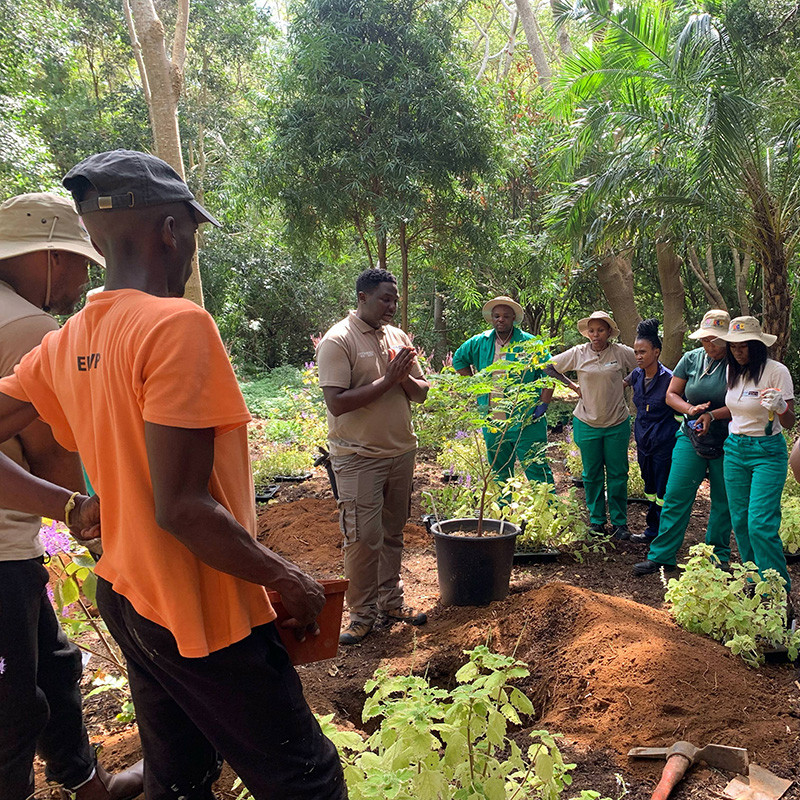
Young people received practical conservation training in ecological restoration, invasive alien plant clearing, plant conservation and fieldwork skills, supporting career pathways in the nature-based sector, while protecting Important Plant Areas.
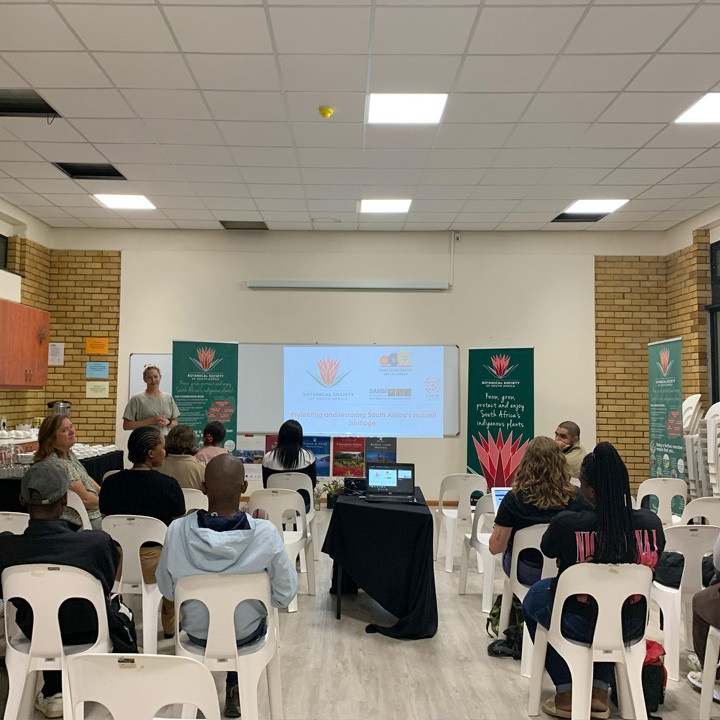
Growing South Africa’s plant lovers through digital engagement
A structured digital engagement programme expanded awareness through webinars, publications, newsletters and social media – connecting more people to plant conservation in South Africa.
Biodiversity conservation school and community gardens
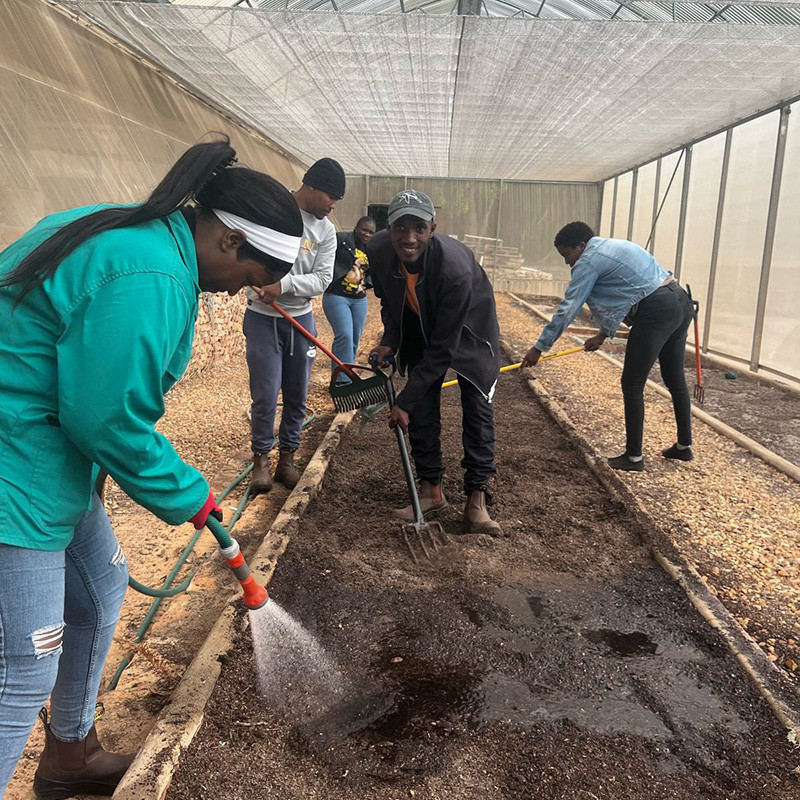
Youth participants established indigenous biodiversity gardens in schools and communities, creating living classrooms for environmental education and conservation awareness.
Project impact
This project delivered measurable conservation and youth development outcomes:
30
youth trained in conservation and citizen science
27
youth placed in structured conservation training programmes
11
youth progressed into extended employment opportunities
15
biodiversity school and community gardens established
2000+
Nearly 2 000 biodiversity observations recorded on iNaturalist
885+
plant species documented
These outcomes strengthen biodiversity conservation in the Western Cape while supporting youth employment in the environmental sector.

Portfolio of biodiversity conservation gardens
As part of this project, 15 biodiversity conservation school and community gardens were established across the Western Cape. These gardens serve as living classrooms, connecting people with plants, inspiring conservation awareness and supporting biodiversity education.
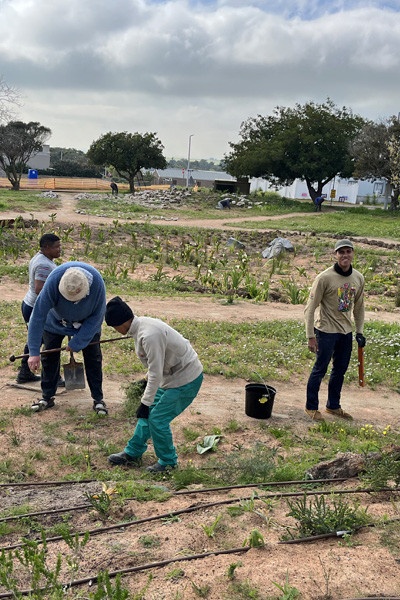
Darling Biodiversity Conservation Park
WESTERN CAPE
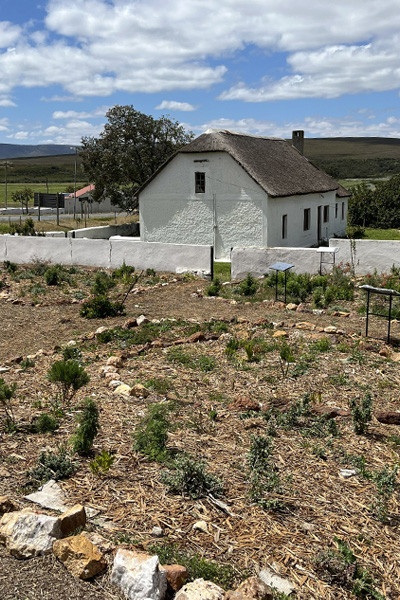
Elim Biodiversity Conservation Garden
WESTERN CAPE
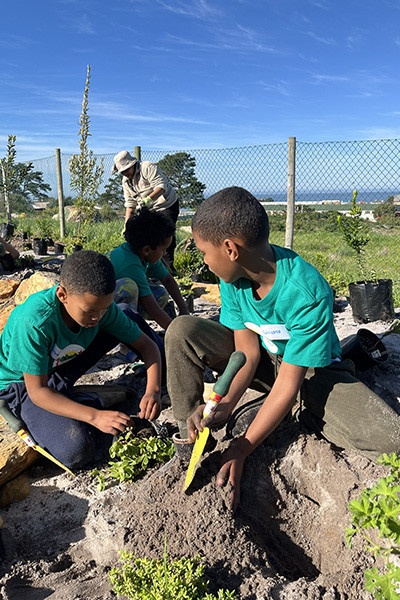
Kleinmond Lapa Biodiversity Conservation Garden
WESTERN CAPE
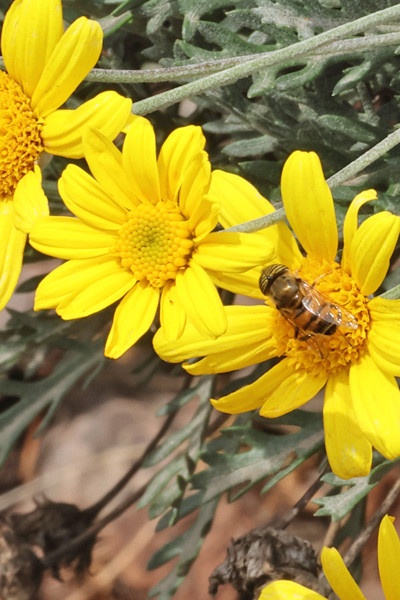
Inkcubeko Youth and Science Centre Biodiversity Conservation Garden
WESTERN CAPE
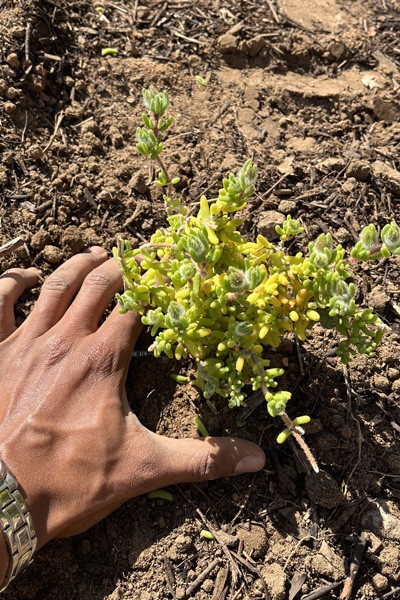
Esselen Park High School Biodiversity Conservation Garden
WESTERN CAPE
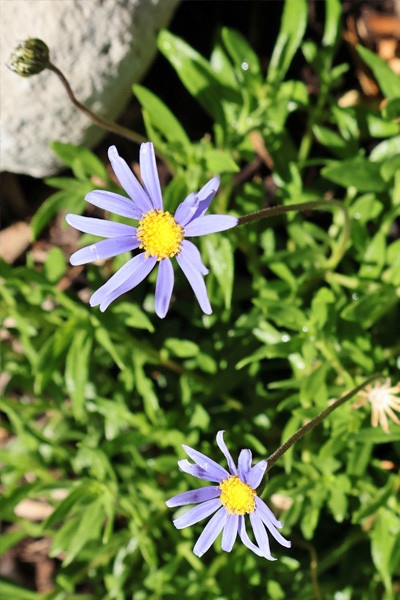
Wemmershoek Primary School Biodiversity Conservation Garden
WESTERN CAPE
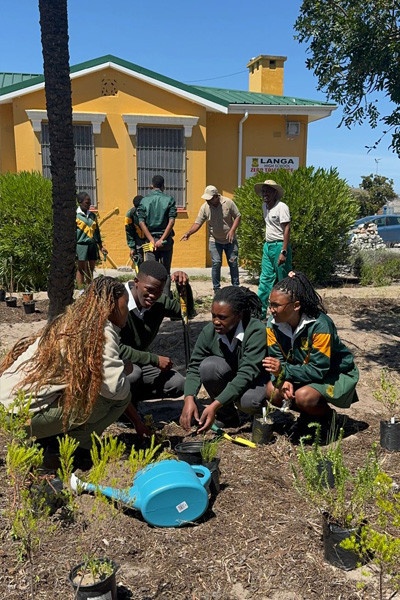
Langa High School Biodiversity Conservation Garden
CAPE TOWN
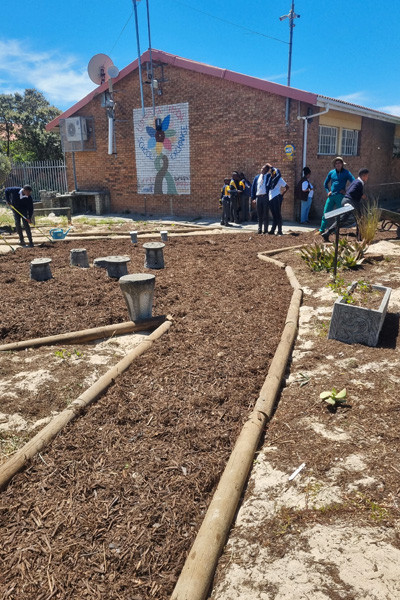
Luhlaza High School Biodiversity Conservation Garden
CAPE TOWN
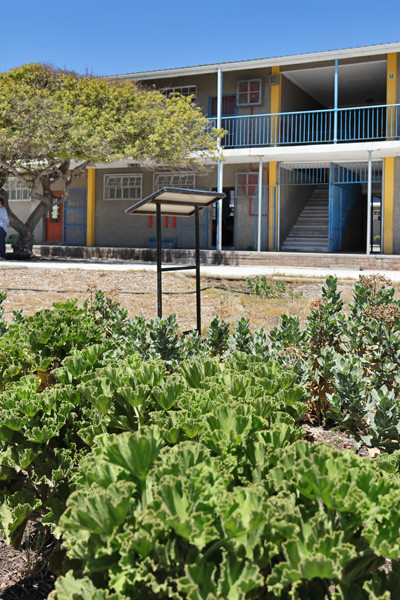
Spineview Primary School Biodiversity Conservation Garden
CAPE TOWN
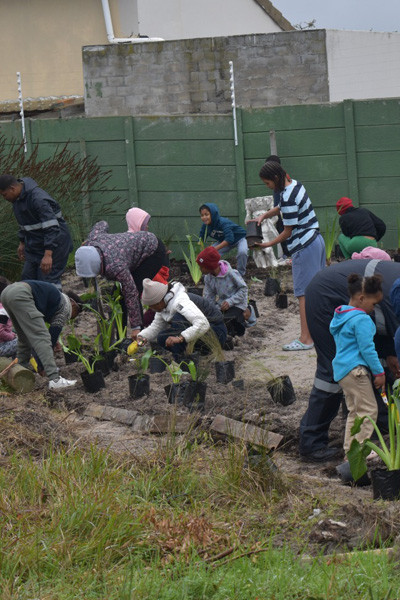
SOS Children’s Village Biodiversity Conservation Garden
CAPE TOWN
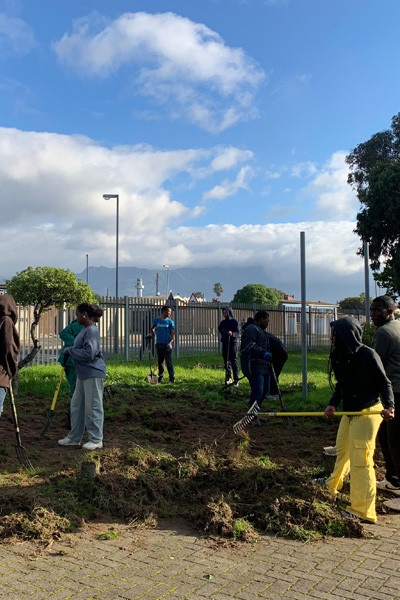
Sibelius High School Biodiversity Conservation Garden
CAPE TOWN
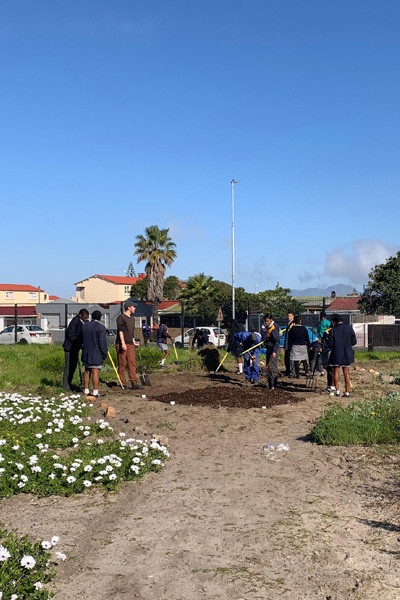
Crestway High School Biodiversity Conservation Garden
CAPE TOWN
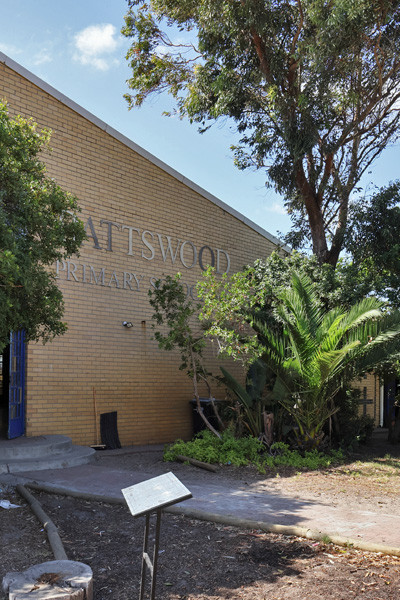
Battswood Primary School Biodiversity Conservation Garden
CAPE TOWN
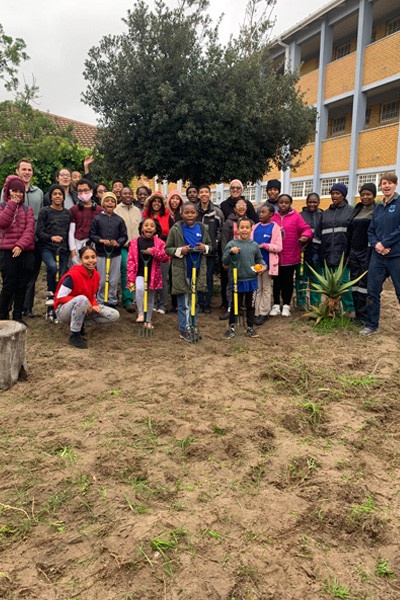
Steenberg High School Biodiversity Conservation Garden
CAPE TOWN
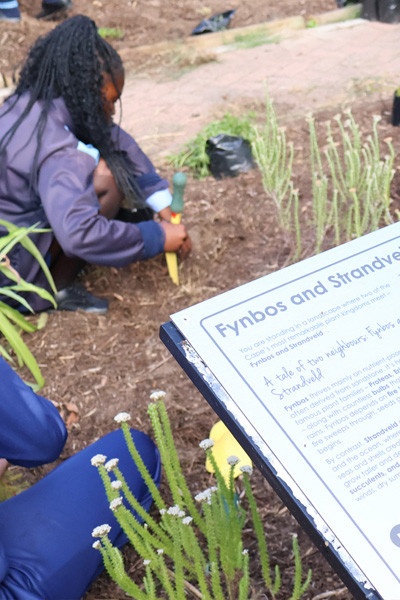
Masiphumelele High School Biodiversity Conservation Garden
CAPE TOWN
Project partners
This project is made possible through collaboration between:
Together we are strengthening biodiversity conservation in South Africa.
About the National Lotteries Commission
The National Lotteries Commission (NLC) supports projects that make a meaningful difference in the lives of South Africans. Through funding for charities, arts, culture, national heritage and environmental initiatives, the NLC contributes to sustainable development and community empowerment.
Through this partnership, BOT SOC was able to expand youth conservation training, biodiversity restoration and environmental education.
Frequently Asked Questions
What is the Protecting and Restoring South Africa’s Natural Heritage project?
This is a youth conservation training and biodiversity restoration project led by the Botanical Society of South Africa and funded by the National Lotteries Commission.
Where was the project being implemented?
The project focused in the Western Cape, particularly in Important Plant Areas (IPAs) and schools and community spaces.
How has the project supported youth?
Youth received practical conservation training, mentorship and workplace experience, helping them develop careers in the nature-based sector.
What are Important Plant Areas?
Important Plant Areas (IPAs) are sites of high conservation value, supporting threatened plant species and unique biodiversity.
Can this project be expanded to other provinces?
While the project was focused on the Western Cape, it was designed with the long-term vision of being expanded to other provinces, to benefit communities across South Africa and encourage them to actively participate in and benefit from plant conservation and horticultural skills development in the country.
How can I get involved?
You can get involved by:
Learn more
Explore each component of the project:
Hours
Tuesdays from 08h00 to 16h00. Closed from Wednesday to Monday and public holidays.
Contact Us
We are experiencing intermittent faults with our landlines. If you can't get through on our landline +27 (0) 21 797 2090 , please phone or send a message to our alternate WhatsApp number: +27 (0) 65 922 6163.
Notice
From 1 March 2026, our office located inside Kirstenbosch National Botanical Garden (through Gate 2) will be open to assist members on Tuesdays only (08:00 – 16:00).