Know, grow, protect and enjoy South Africa's indigenous plants
Biodiversity conservation school and community gardens
COMPONENT




As part of the Protecting and Restoring South Africa’s Natural Heritage project, the Botanical Society of South Africa, working with the South African National Biodiversity Institute (SANBI) and other conservation partners, established biodiversity conservation school and community gardens across the Western Cape (component 4 of the project).
These gardens combined youth skills development, biodiversity conservation and environmental education, creating living spaces to connect communities with indigenous plants and local biodiversity.
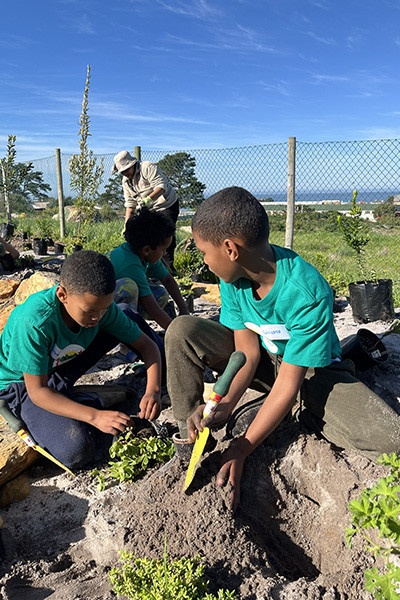
Through hands-on training and mentorship, young people gained practical experience in garden development, while supporting schools and communities to build long-term conservation awareness.
Impact of project component
15
biodiversity gardens
YOUTH
trained in horticulture
PLANTS
Indigenous plants installed across sites
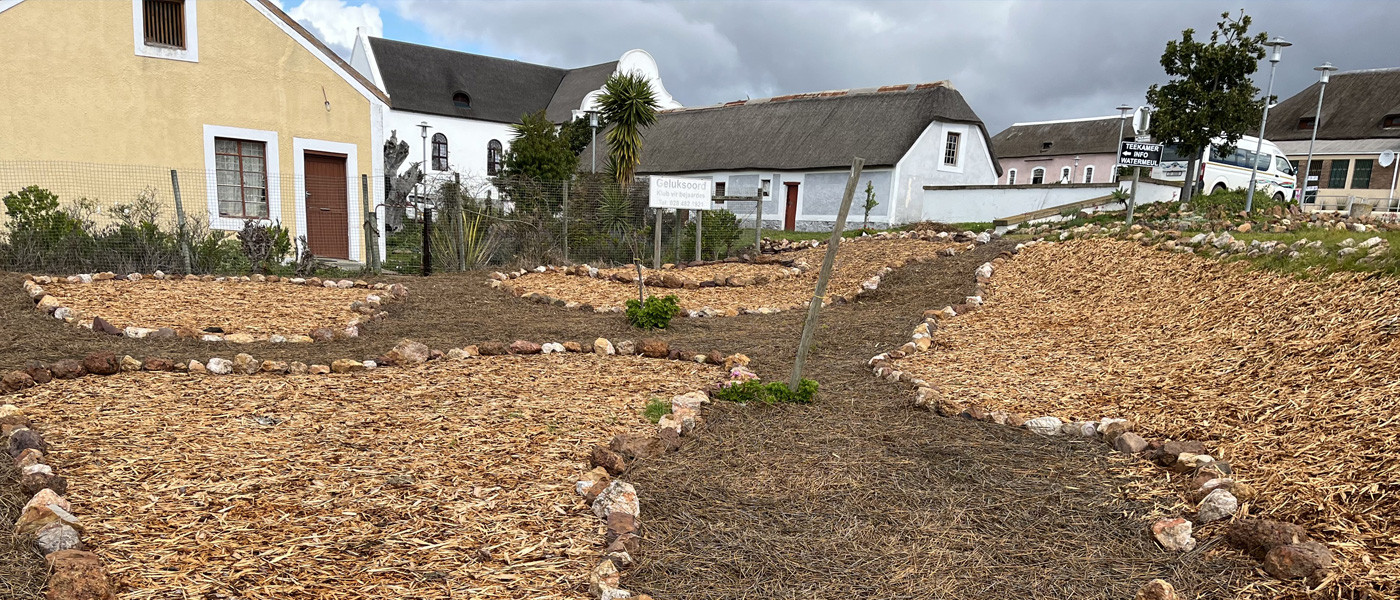
Creating living classrooms for biodiversity conservation
Component 4 delivered tangible conservation outcomes by combining youth skills development with the establishment of biodiversity-focused school and community gardens.
These gardens serve as:
– Living classrooms
– Environmental education spaces
– Biodiversity conservation sites
– Community learning hubs
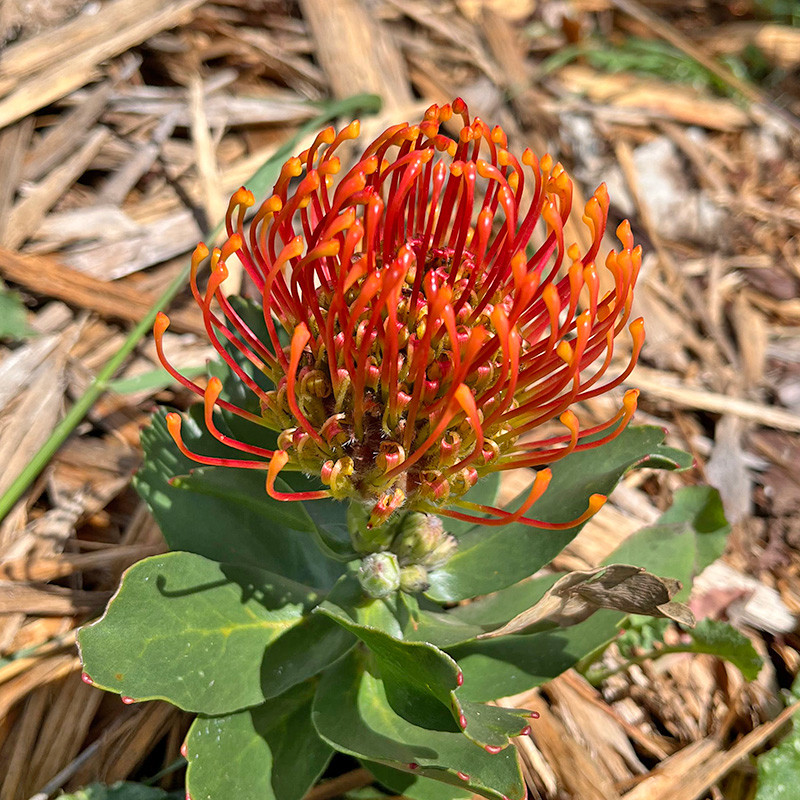
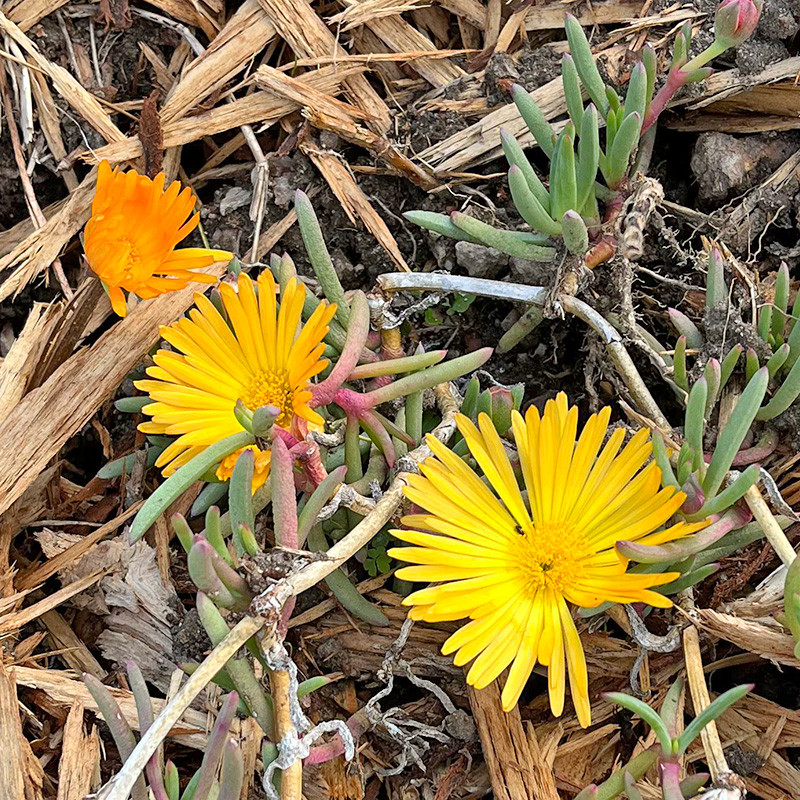
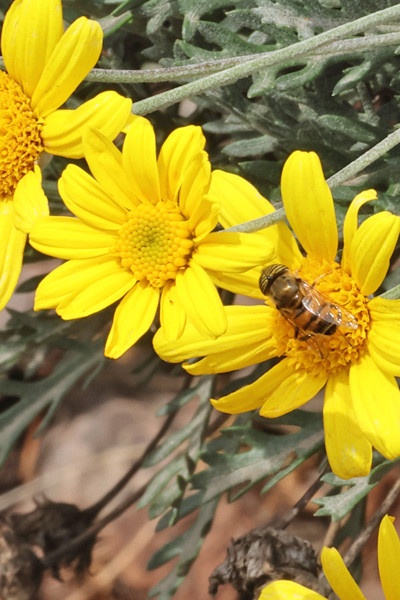
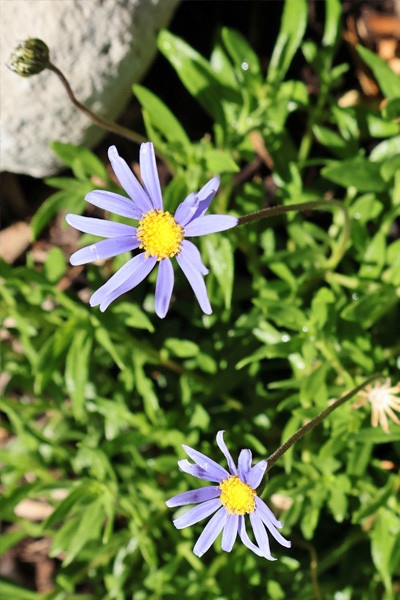
By using locally indigenous fynbos and other species, the gardens support biodiversity while promoting awareness of South Africa’s unique plant heritage.
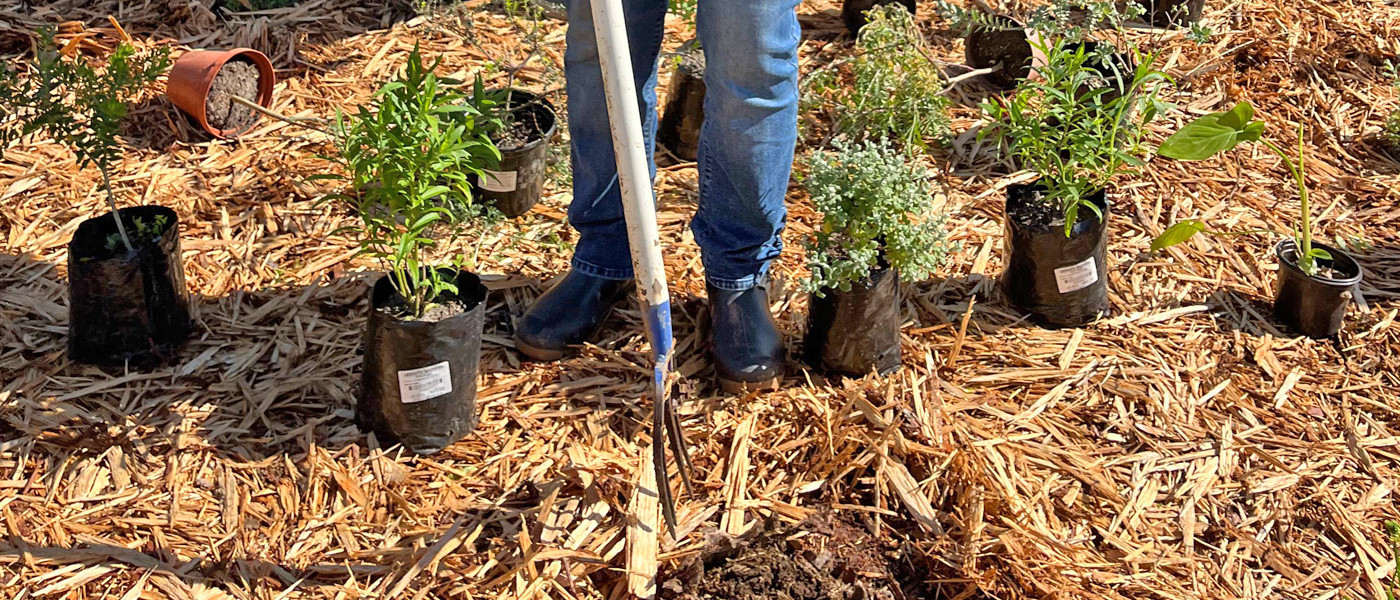
Hands-on youth conservation training
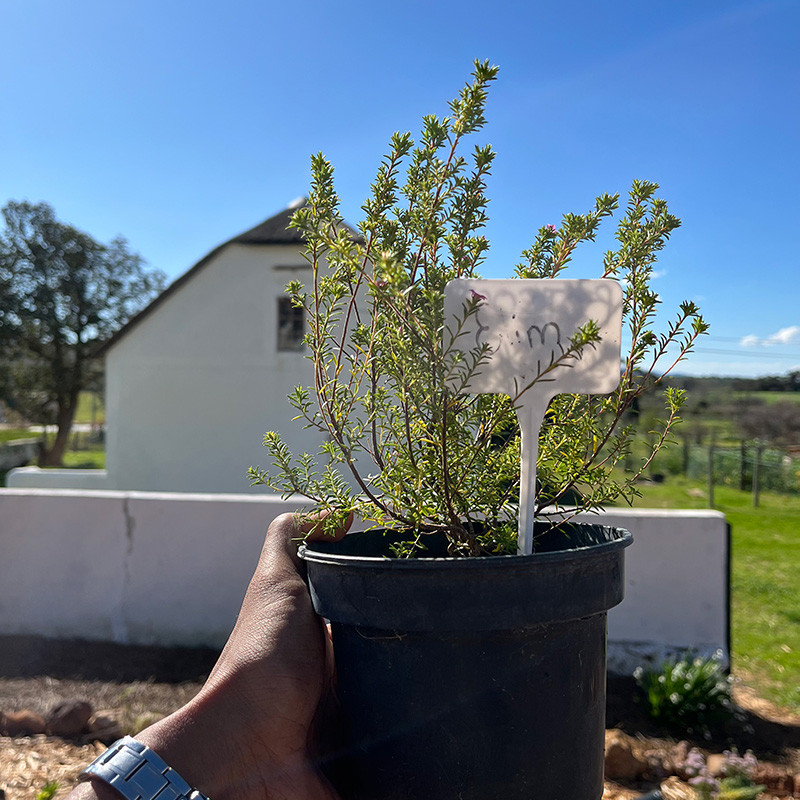
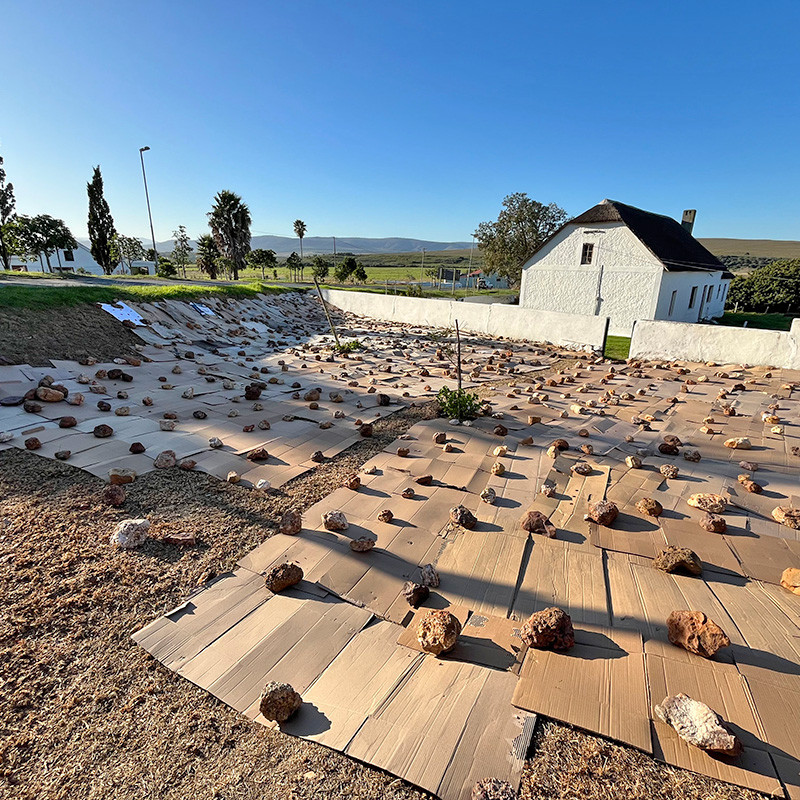
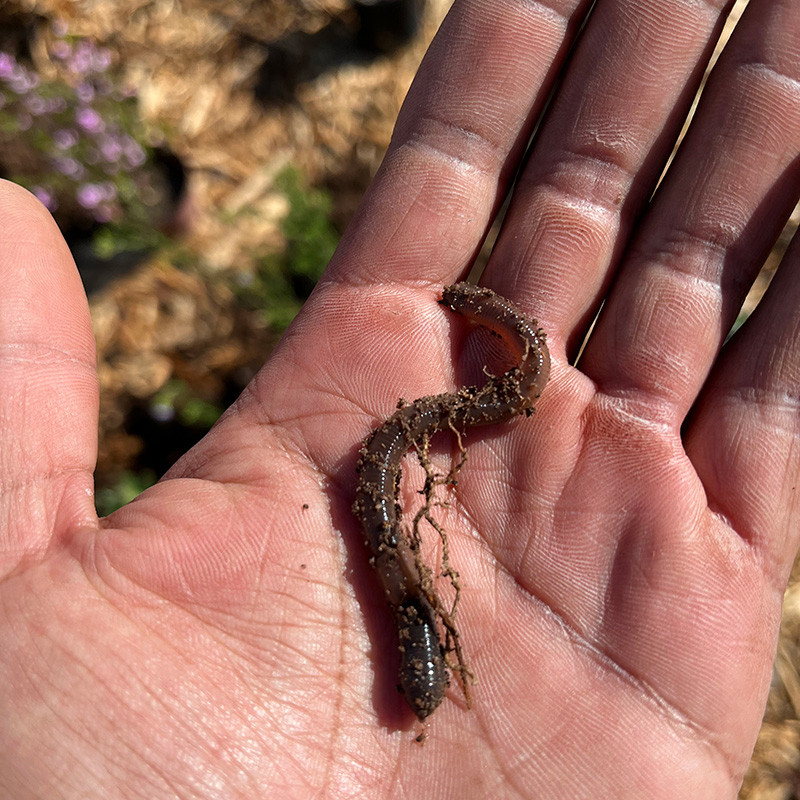
Youth beneficiaries received practical training in:
– Garden design
– Indigenous plant selection
– Soil preparation
– Planting techniques
– Site layout
– Community engagement
This hands-on experience strengthened conservation skills, while supporting environmental education in schools and communities.
A community collaboration for nature
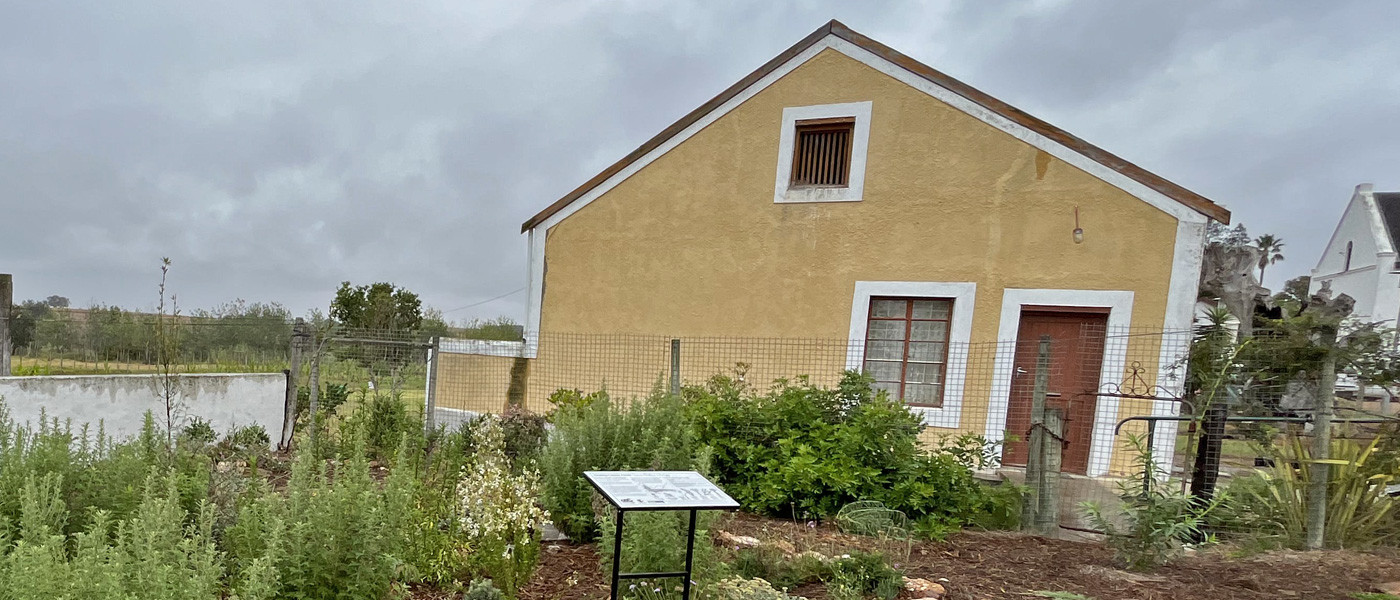
The programme successfully established 15 biodiversity conservation school and community gardens across the Western Cape.
Each garden was developed in collaboration with schools and community partners, ensuring long-term sustainability and local ownership.
To support ecological success, all sites included:
– Soil rehabilitation
– Compost and mulch incorporation
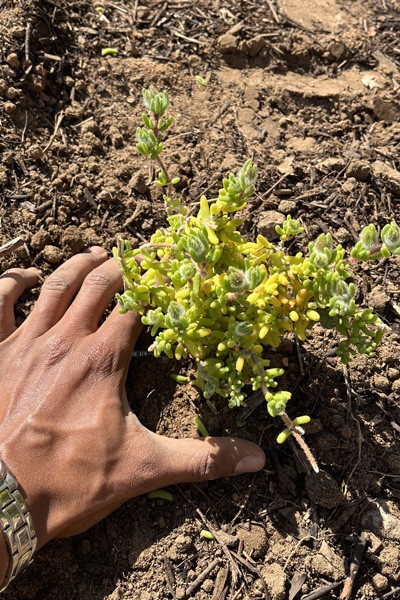
– Indigenous plant installation
– Garden infrastructure
– Educational signage
These gardens now serve as long-term conservation and education assets.
Supporting environmental education
This component has also strengthened plant conservation awareness through coordinated outreach and communicatio the citizen science community and deeTo ensure long-term impact, additional supportive resources were developed and provided to the schools and communities involved in establishing the gardens.
Through component 4, BOT SOC and partners developed:
– Training workshops
– Educational toolkits
– Worksheets
– Teacher support materials
Building community stewardship
Formal partnerships were established with schools and community organisations to ensure long-term stewardship. These partnerships strengthened local ownership of each garden, and positioned the gardens as sustainable, community-driven conservation assets. The focus was beyond short-term installation, to create garden spaces that would be continuously cared for and used – in order to empower youth, strengthen community stewardship and embed biodiversity education.
Explore each of the gardens
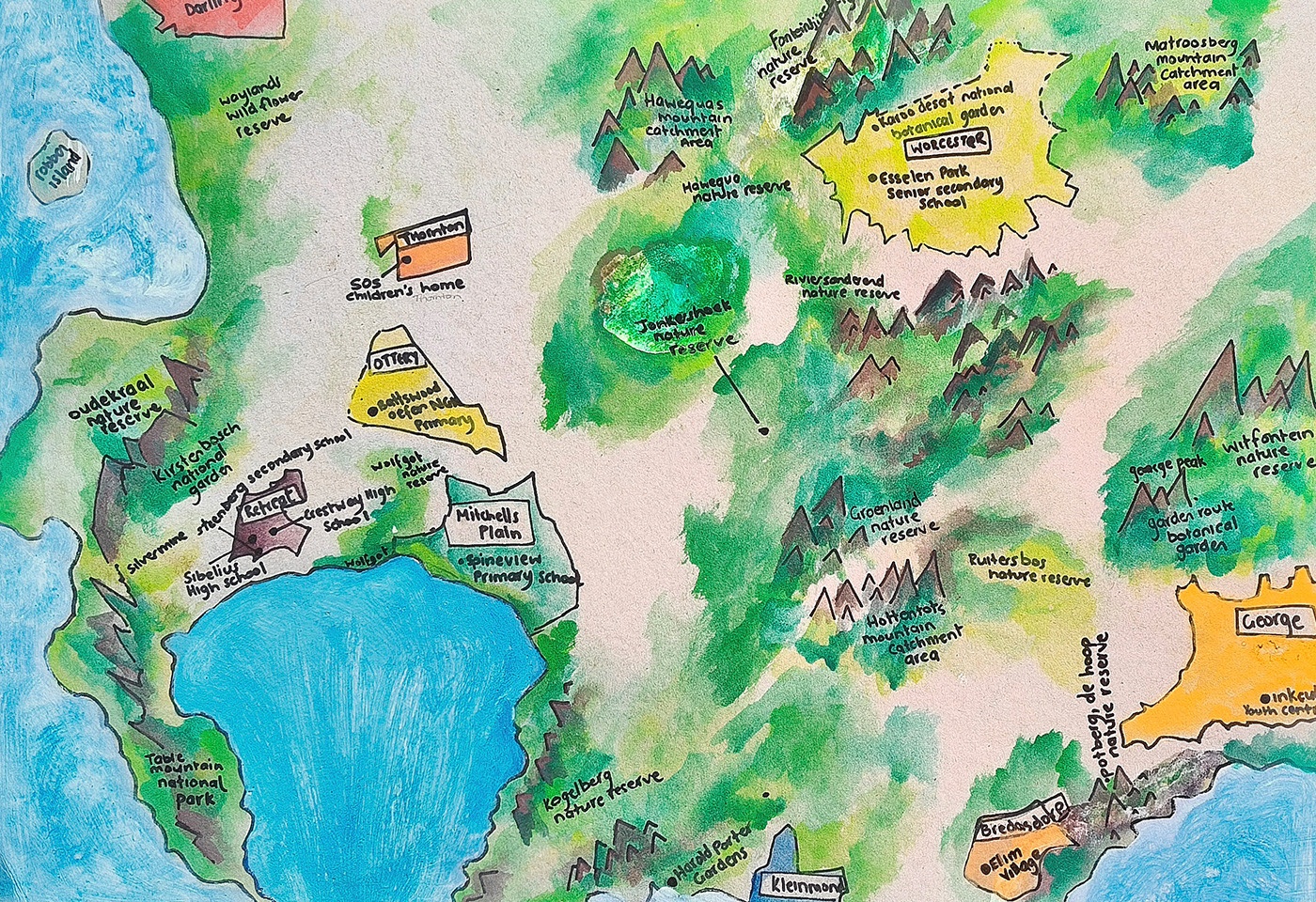
Explore the 15 biodiversity conservation school and community gardens established through this project:
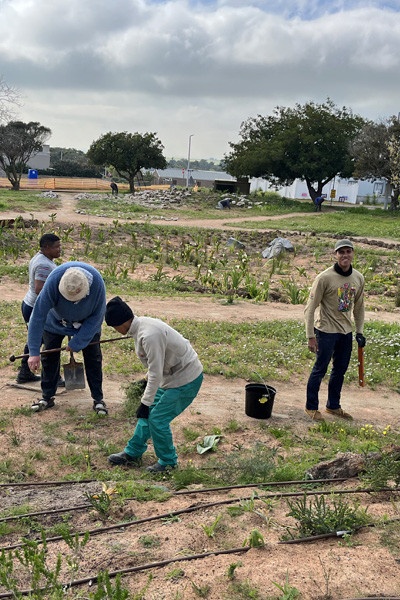
Darling Biodiversity Conservation Park
WESTERN CAPE
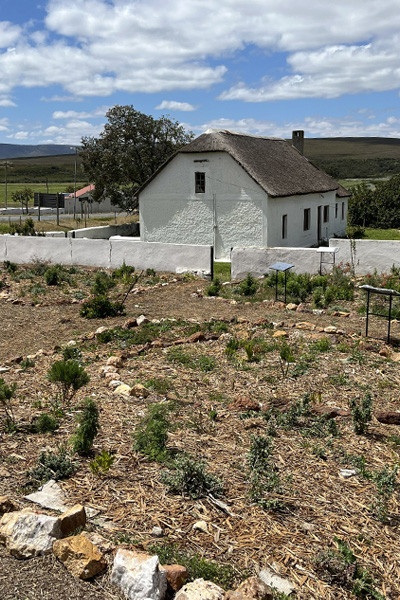
Elim Biodiversity Conservation Garden
WESTERN CAPE
Kleinmond Lapa Biodiversity Conservation Garden
WESTERN CAPE
Inkcubeko Youth and Science Centre Biodiversity Conservation Garden
WESTERN CAPE
Esselen Park High School Biodiversity Conservation Garden
WESTERN CAPE
Wemmershoek Primary School Biodiversity Conservation Garden
WESTERN CAPE
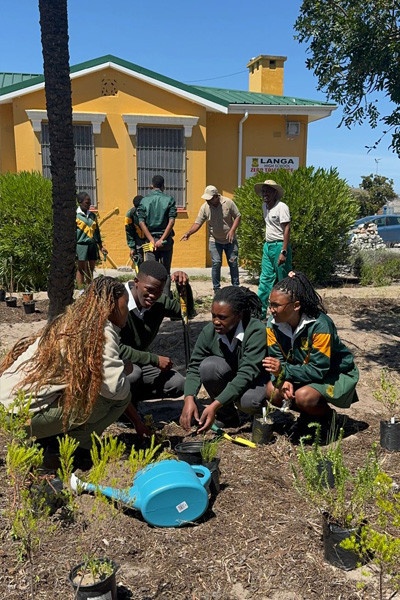
Langa High School Biodiversity Conservation Garden
CAPE TOWN
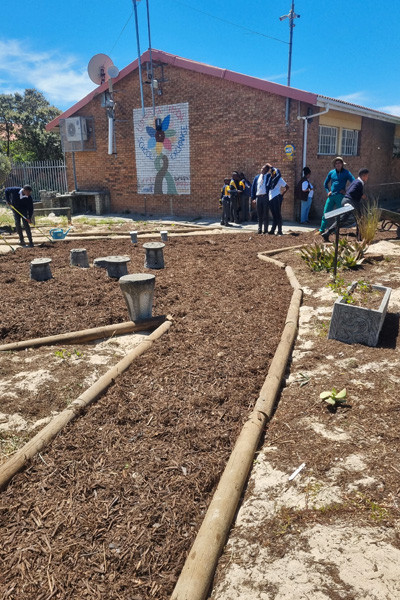
Luhlaza High School Biodiversity Conservation Garden
CAPE TOWN
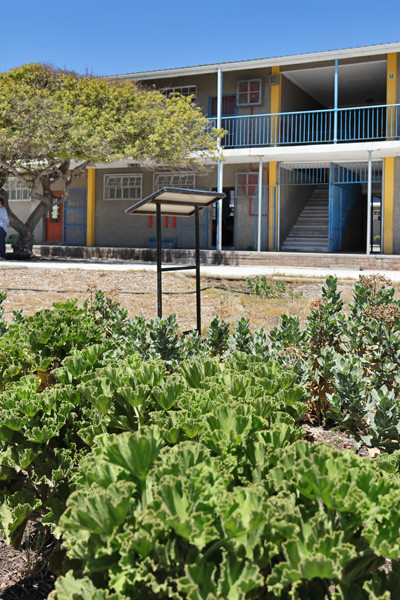
Spineview Primary School Biodiversity Conservation Garden
CAPE TOWN
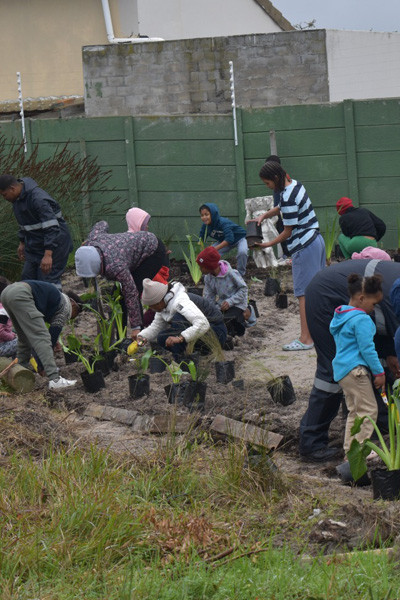
SOS Children’s Village Biodiversity Conservation Garden
CAPE TOWN
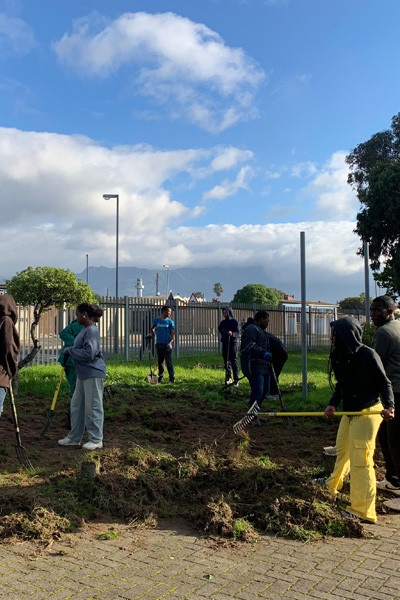
Sibelius High School Biodiversity Conservation Garden
CAPE TOWN
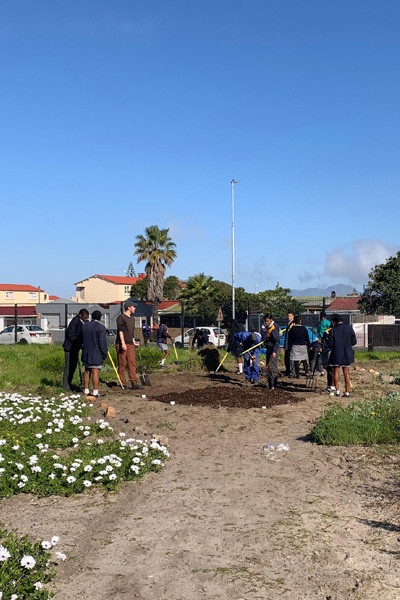
Crestway High School Biodiversity Conservation Garden
CAPE TOWN
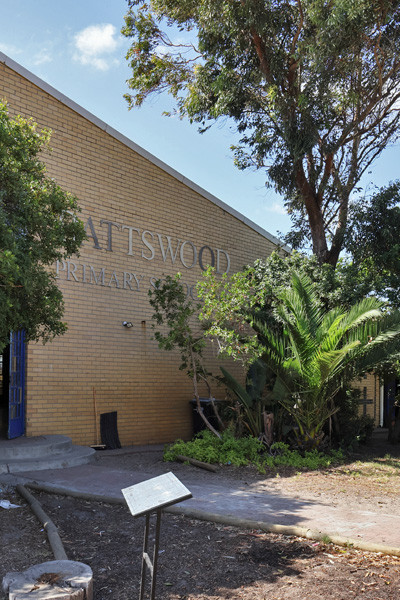
Battswood Primary School Biodiversity Conservation Garden
CAPE TOWN
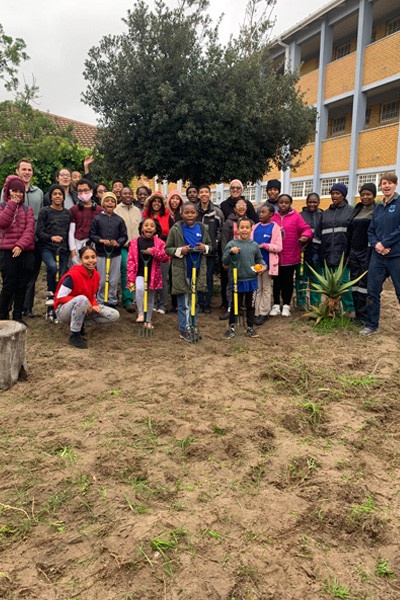
Steenberg High School Biodiversity Conservation Garden
CAPE TOWN
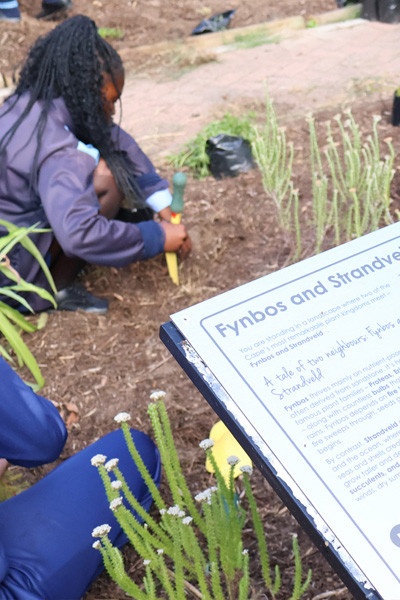
Masiphumelele High School Biodiversity Conservation Garden
CAPE TOWN
Learn more
This component forms part of the Protecting and Restoring South Africa’s Natural Heritage project, which combines:
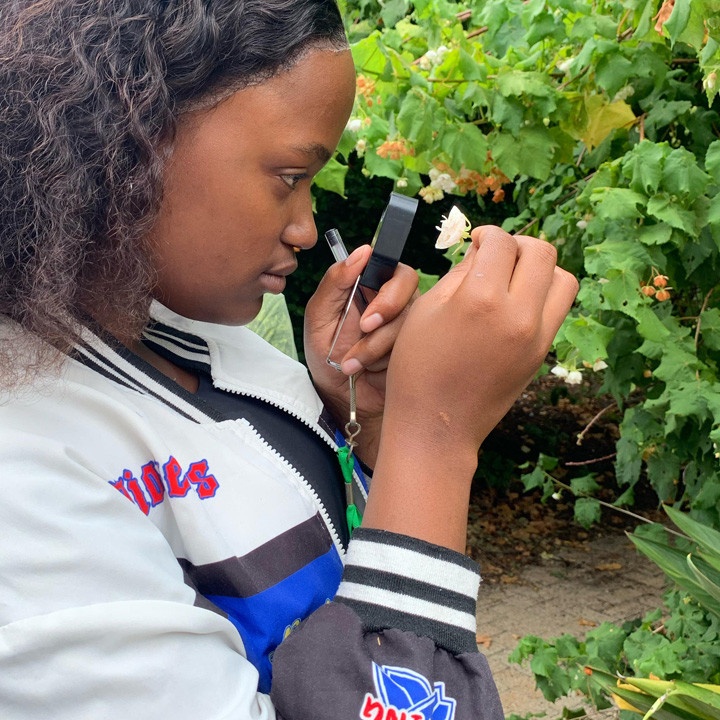
Strengthening citizen science
Youth were trained in plant identification, biodiversity monitoring and citizen science, contributing valuable data to national conservation platforms through collaboration with SANBI and the CREW (Custodians of Rare and Endangered Wildflowers) Programme.
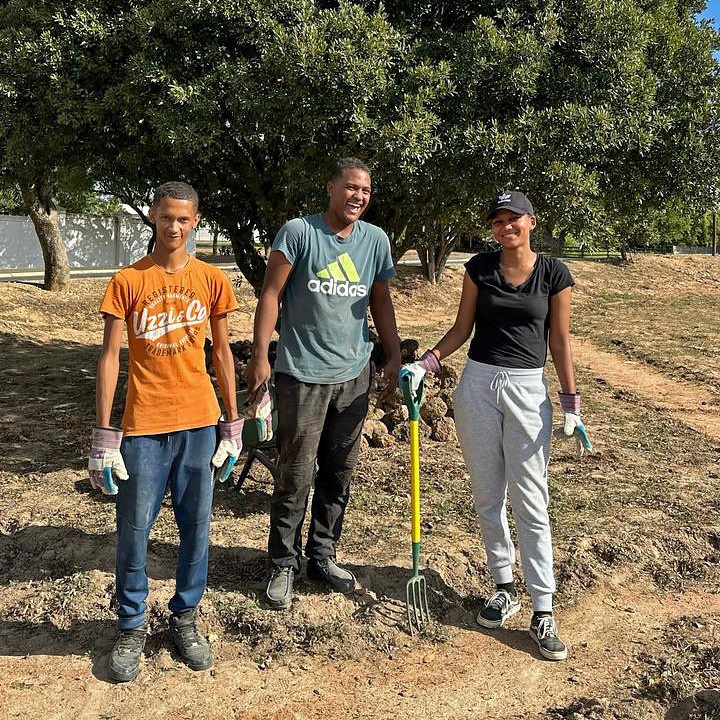
Upskilling youth for conservation careers
Young people received practical conservation training in ecological restoration, invasive alien plant clearing, plant conservation and fieldwork skills, supporting career pathways in the nature-based sector, while protecting Important Plant Areas.
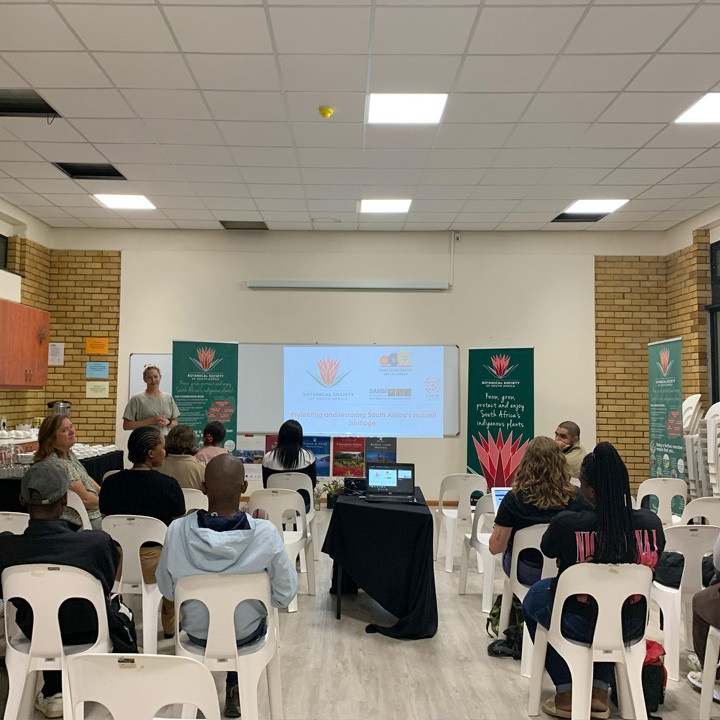
Growing South Africa’s plant lovers through digital engagement
A structured digital engagement programme expanded awareness through webinars, publications, newsletters and social media – connecting more people to plant conservation in South Africa.
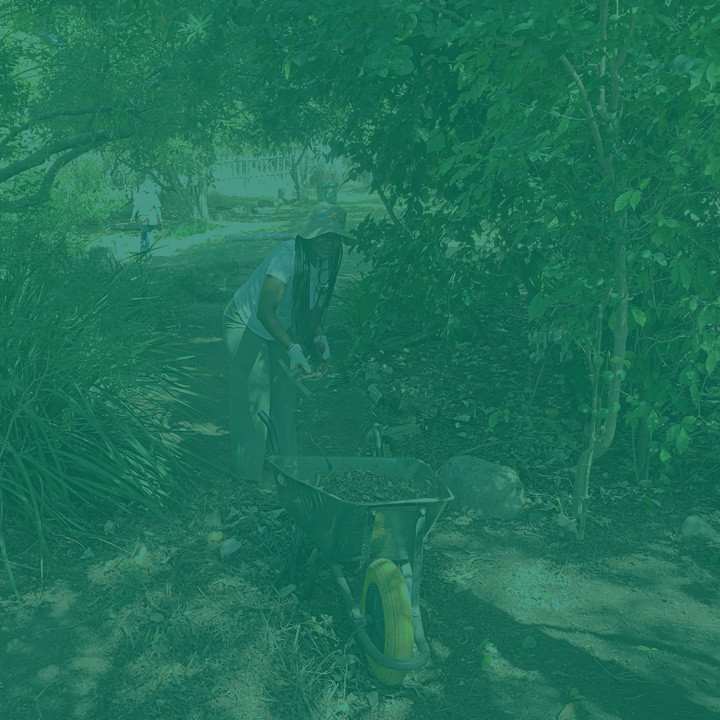
Biodiversity conservation school and community gardens
Youth participants established indigenous biodiversity gardens in schools and communities, creating living classrooms for environmental education and conservation awareness.

Hours
Tuesdays from 08h00 to 16h00. Closed from Wednesday to Monday and public holidays.
Contact Us
We are experiencing intermittent faults with our landlines. If you can't get through on our landline +27 (0) 21 797 2090 , please phone or send a message to our alternate WhatsApp number: +27 (0) 65 922 6163.
Notice
From 1 March 2026, our office located inside Kirstenbosch National Botanical Garden (through Gate 2) will be open to assist members on Tuesdays only (08:00 – 16:00).