NLC Programme | Biodiversity Gardens | Rocklands, Mitchells Plain
#GROW
One of the region’s most threatened natural treasures
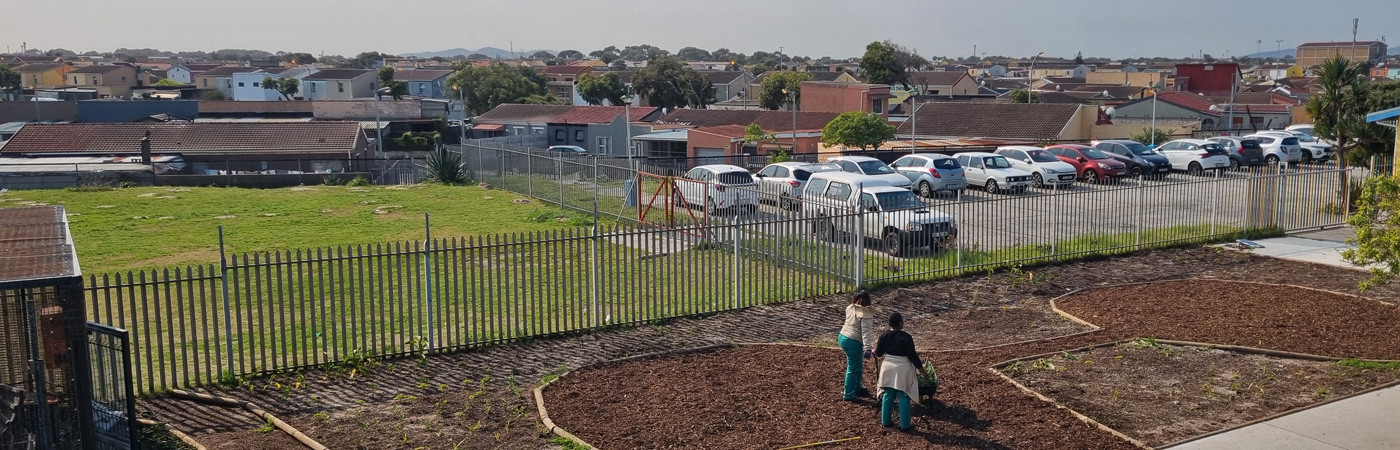
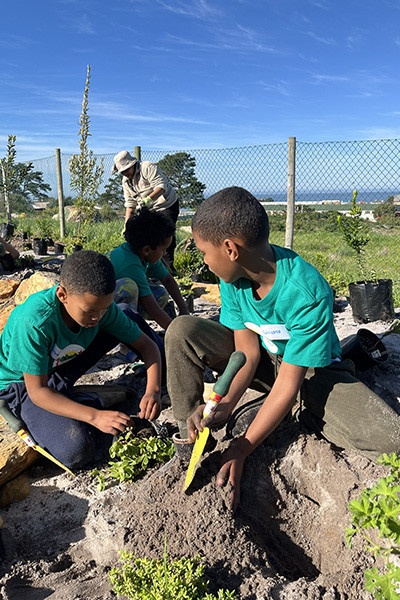
The Spineview Primary School is located in Rocklands, Mitchells Plain on the Cape Flats. It’s adjacent to the False Bay coastline, in an area historically covered in succulents, evergreen shrubs, small trees and colourful spring flowers. These plants once provided food and shelter for lizards, sunbirds, insects, tortoises and small antelope. Today, this vegetation type, known as Cape Flats Dune Strandveld, remains one of the region’s most threatened natural treasures.
That’s why the Spineview Primary School Biodiversity Conservation Garden proved an ideal opportunity to showcase the unique biodiversity of this region – combining conservation, youth skills development and environmental education.
This garden was developed as part of BOT SOC’s Protecting and Restoring South Africa’s Natural Heritage project.
THIS PROJECT IS MADE POSSIBLE BY:

Youth skills development and conservation training
BOT SOC had 12 youths in the Cape Metropole who were trained as part of this project. Hosted by the South African National Biodiversity Institute (SANBI) at the Kirstenbosch National Botanical Garden, these youths were upskilled through classroom, theoretical learning and hands-on conservation training.
Skills Development
Skills development included:
• Conservation horticulture
• Plant identification
• Alien invasive clearing
• Eco-landscaping
• Personal development
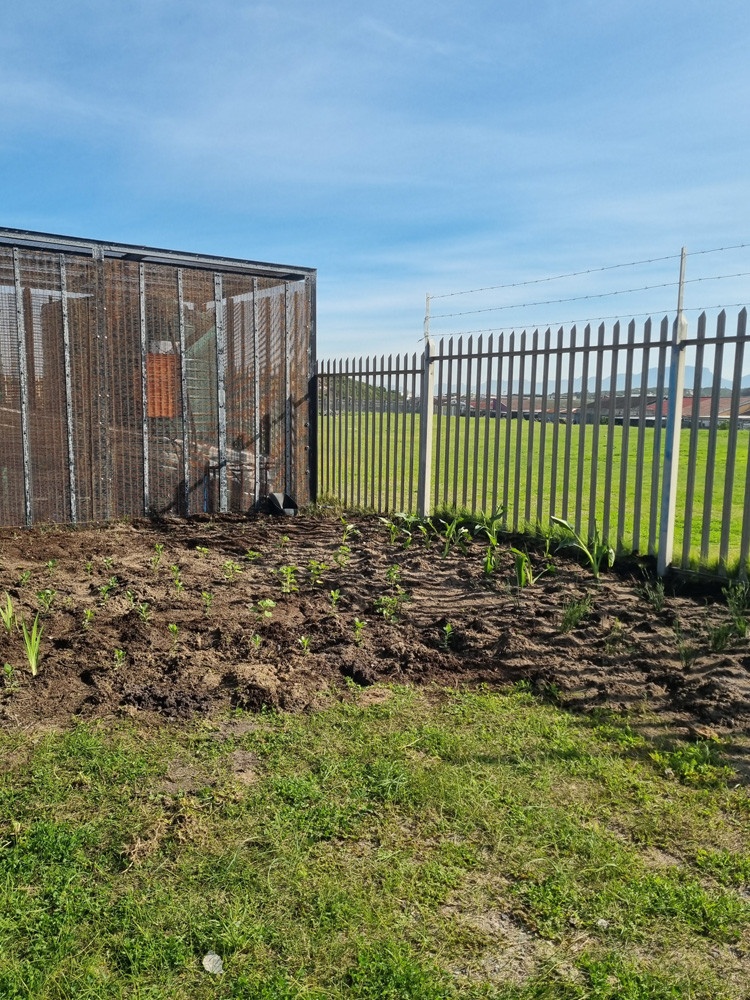
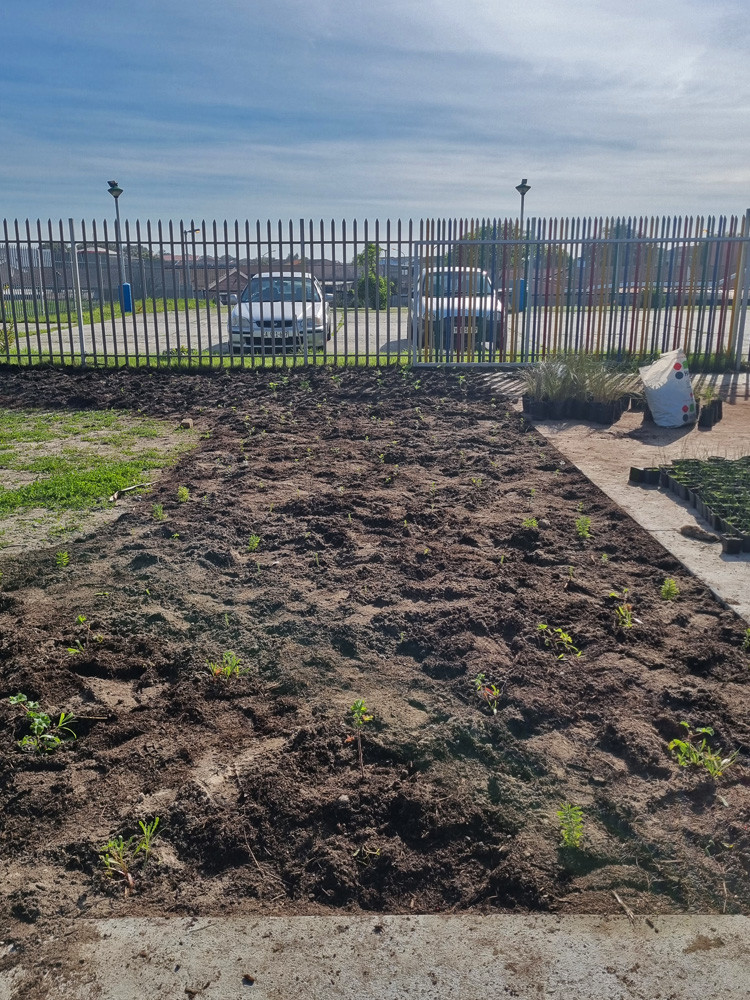
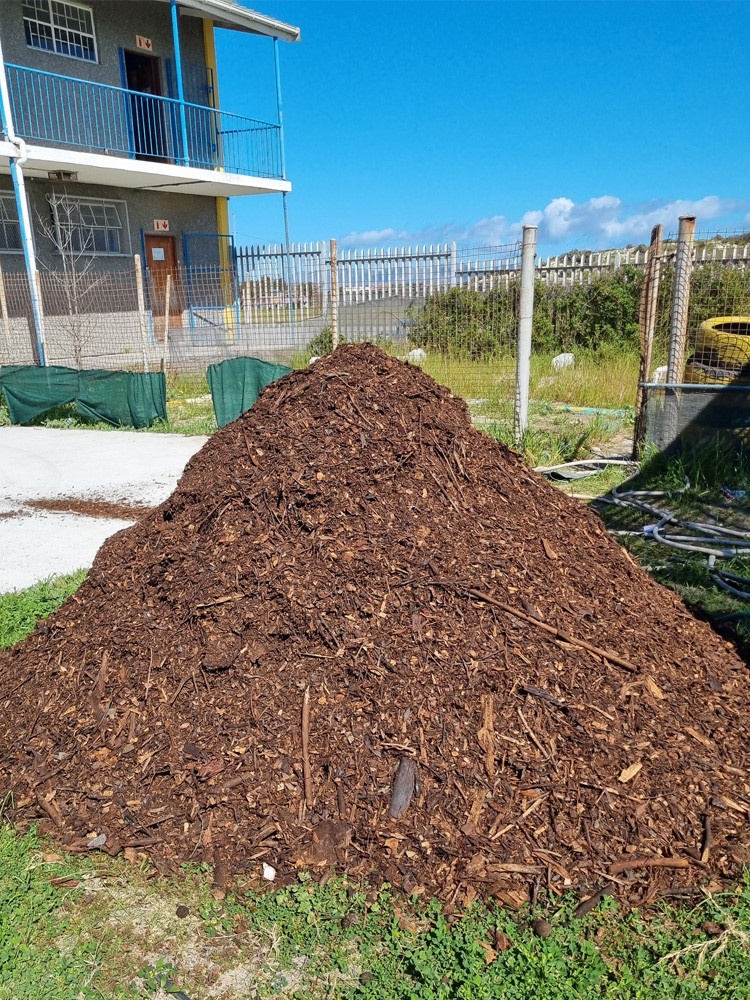
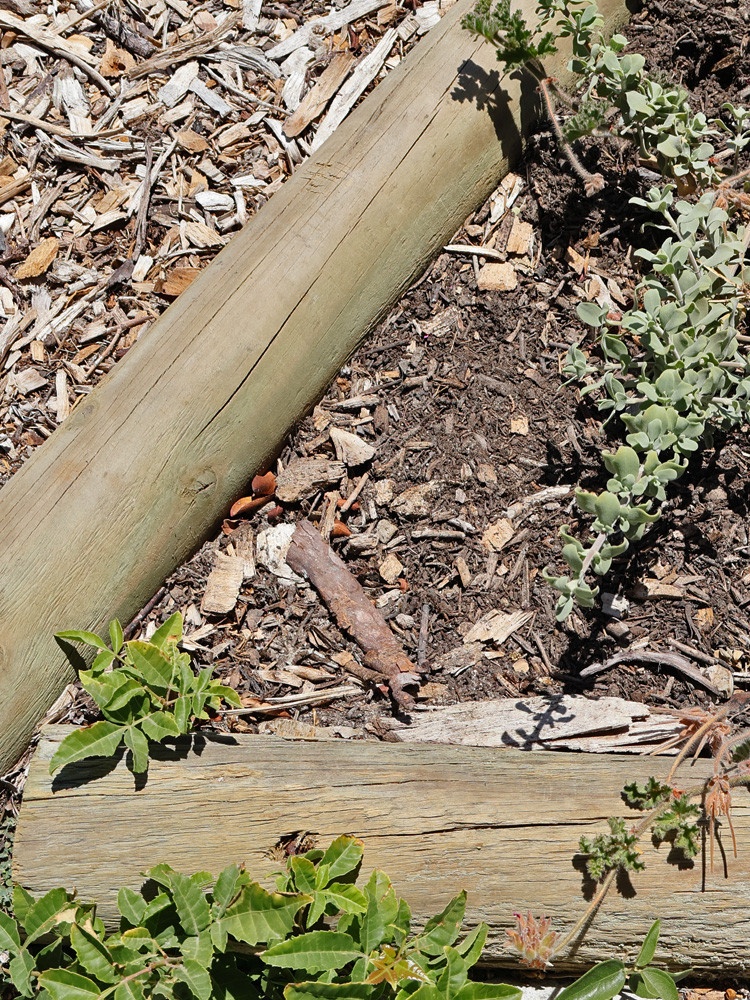

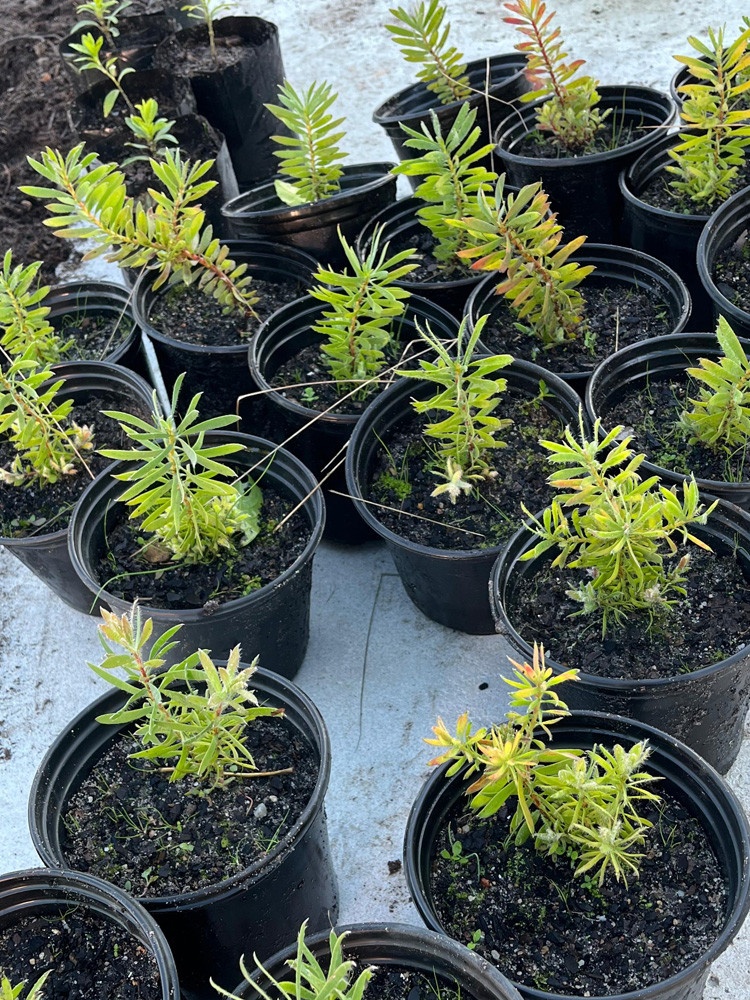
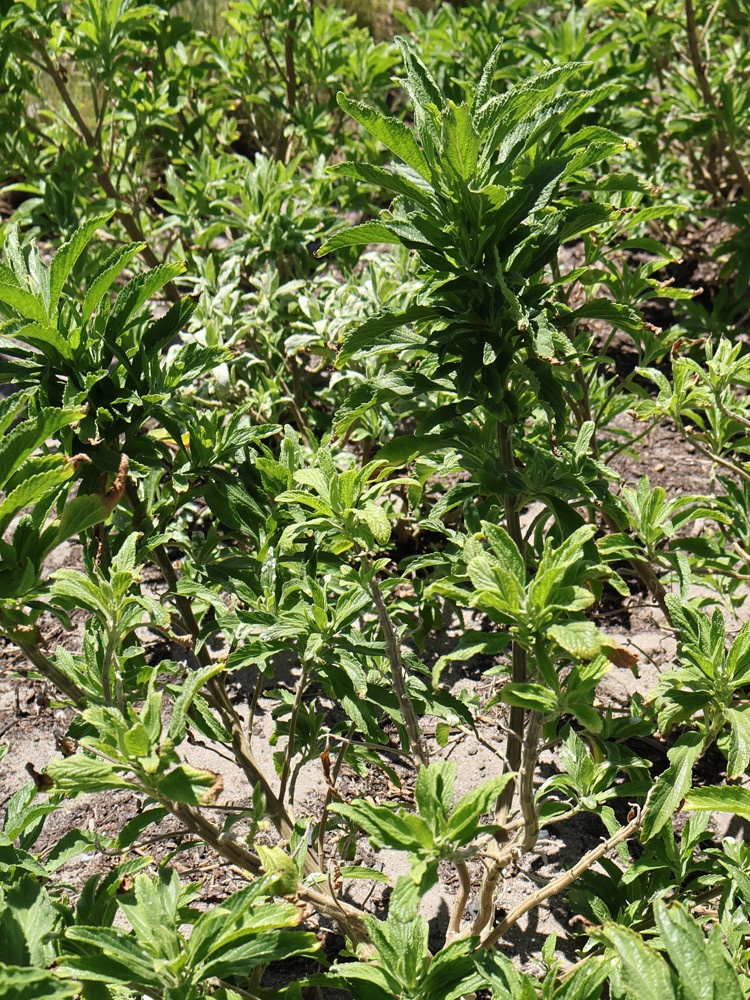
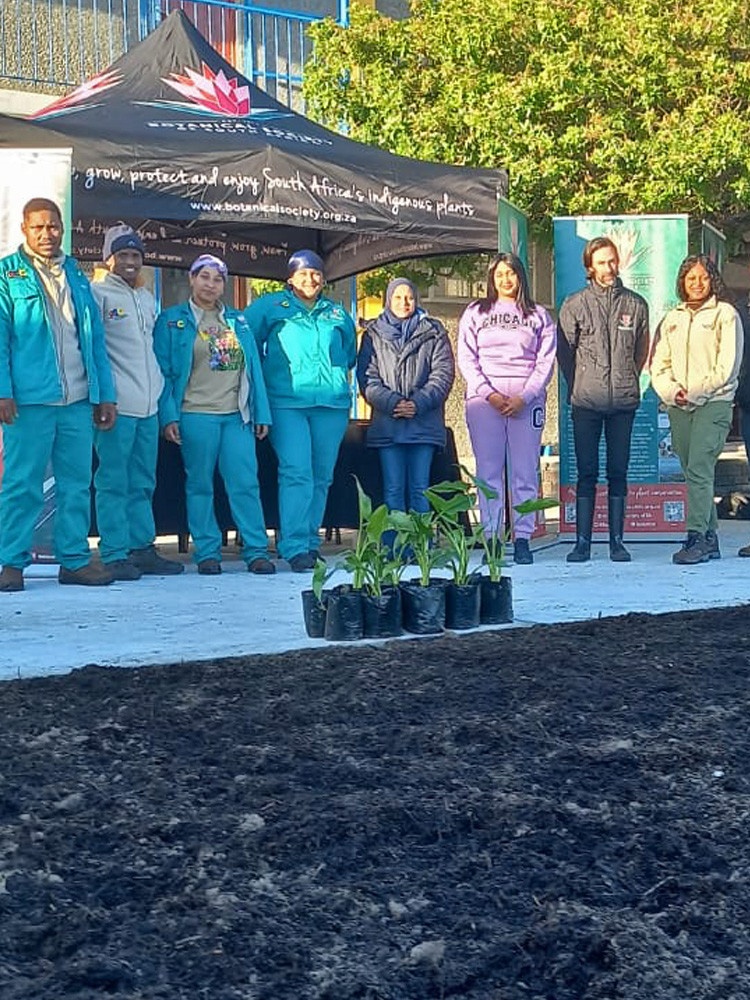
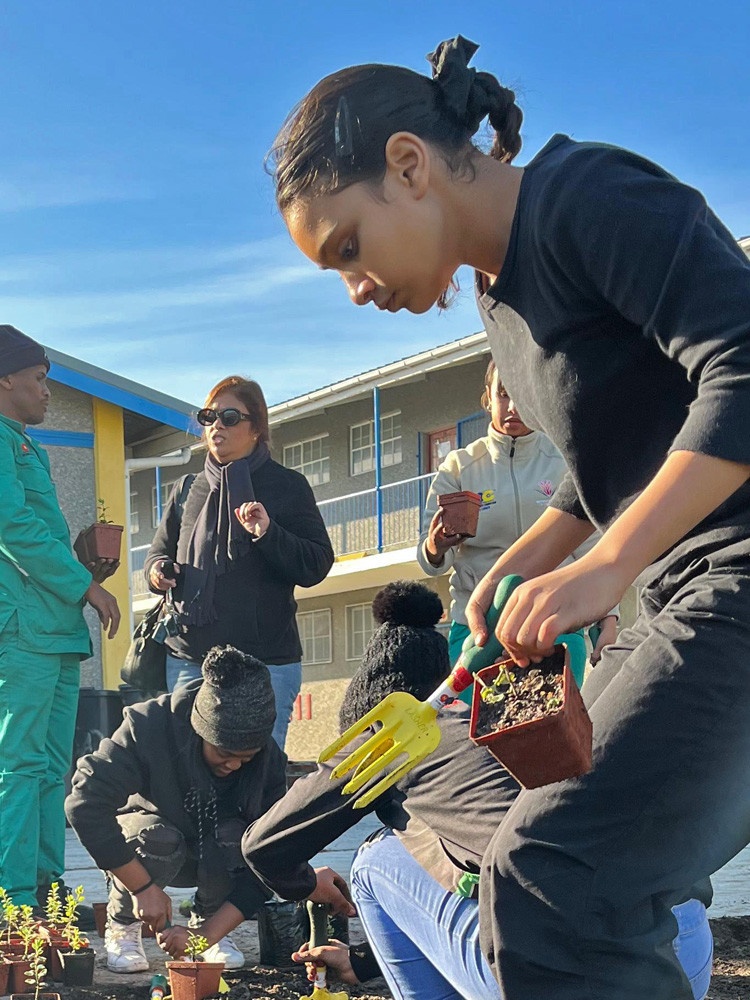
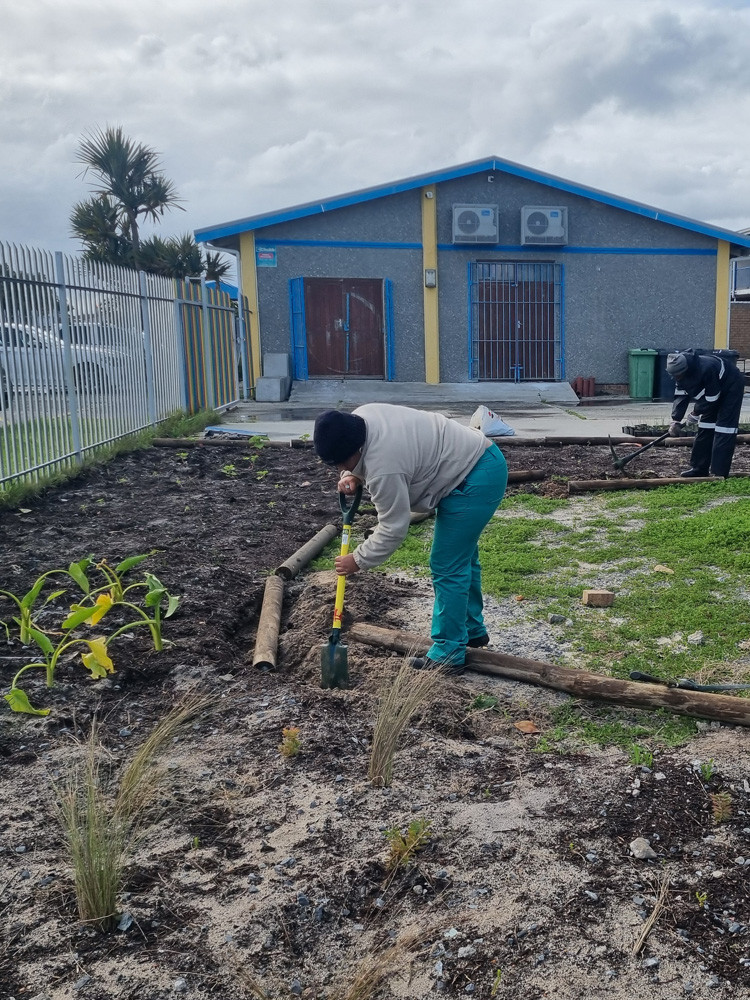
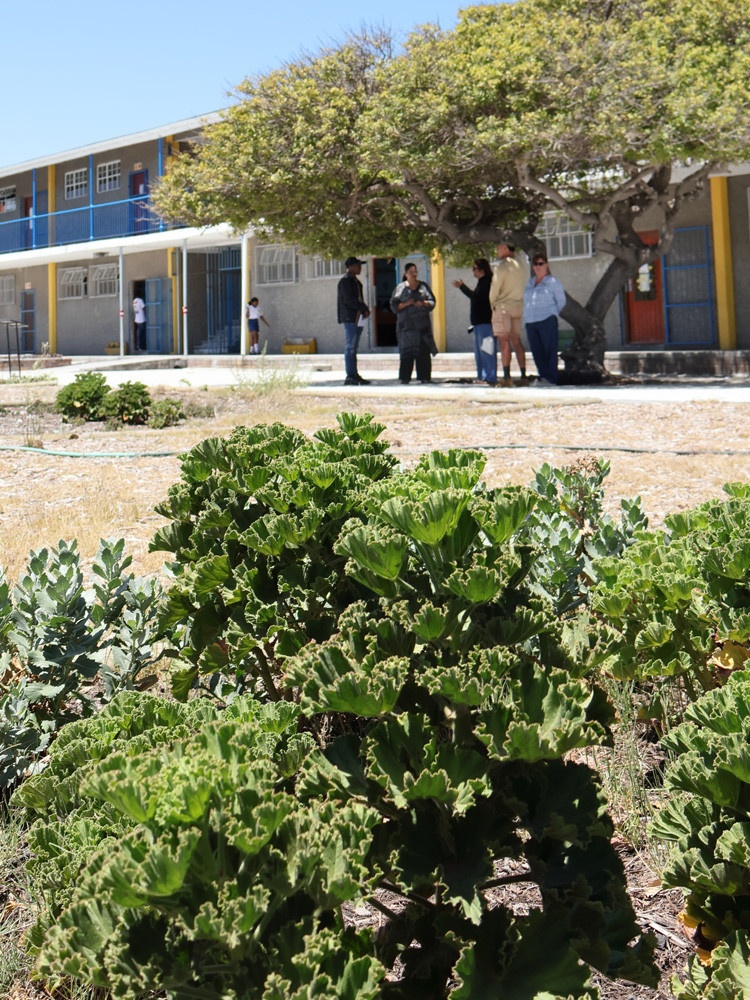
Beyond their work at Kirstenbosch National Botanical Garden, the youth contributed to citizen science plant monitoring activities through the Custodians of Rare and Endangered Wildflowers (CREW) Programme, capturing species observations on iNaturalist.
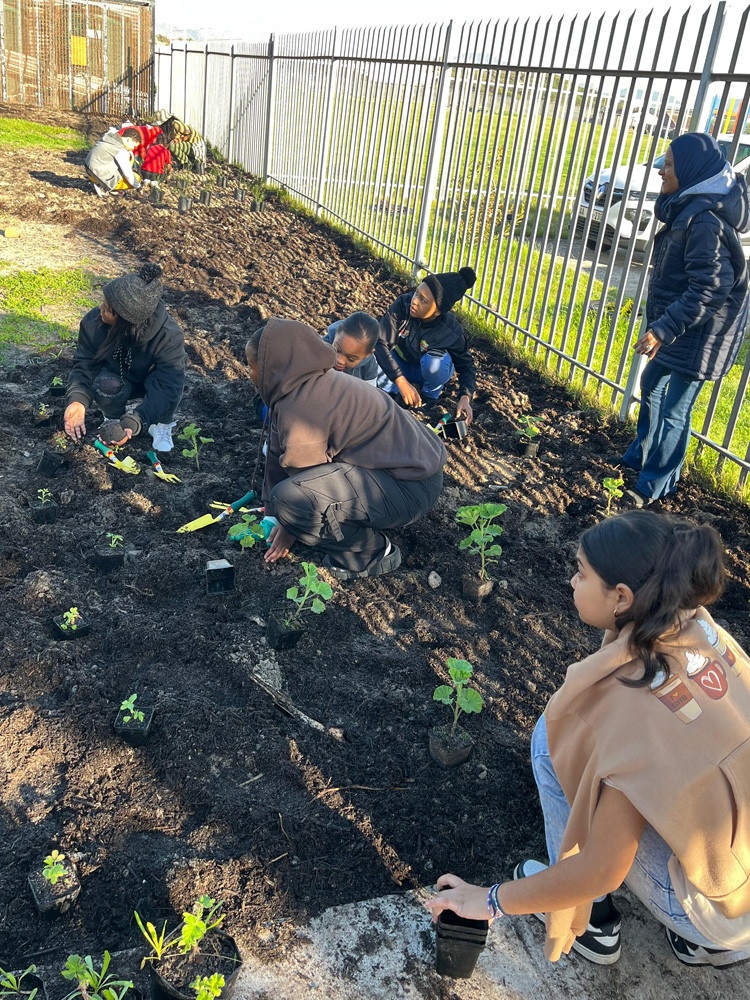
These newly developed skills were applied during the development of the Spineview Primary School Biodiversity Conservation Garden.
Why choose Spineview Primary School?
Spineview Primary School is situated in Rocklands, Mitchells Plain on the Cape Flats, near the False Bay coastline. Historically, this area supported Cape Flats Dune Strandveld vegetation, adapted to lime-rich, wind-blown sands shaped into dunes over thousands of years.
These indigenous plants play an important ecological role, stabilising shifting sands and forming protective green belts along coastal dunes. With this unique natural heritage, Spineview Primary School was an ideal site for a biodiversity conservation garden and outdoor learning space.
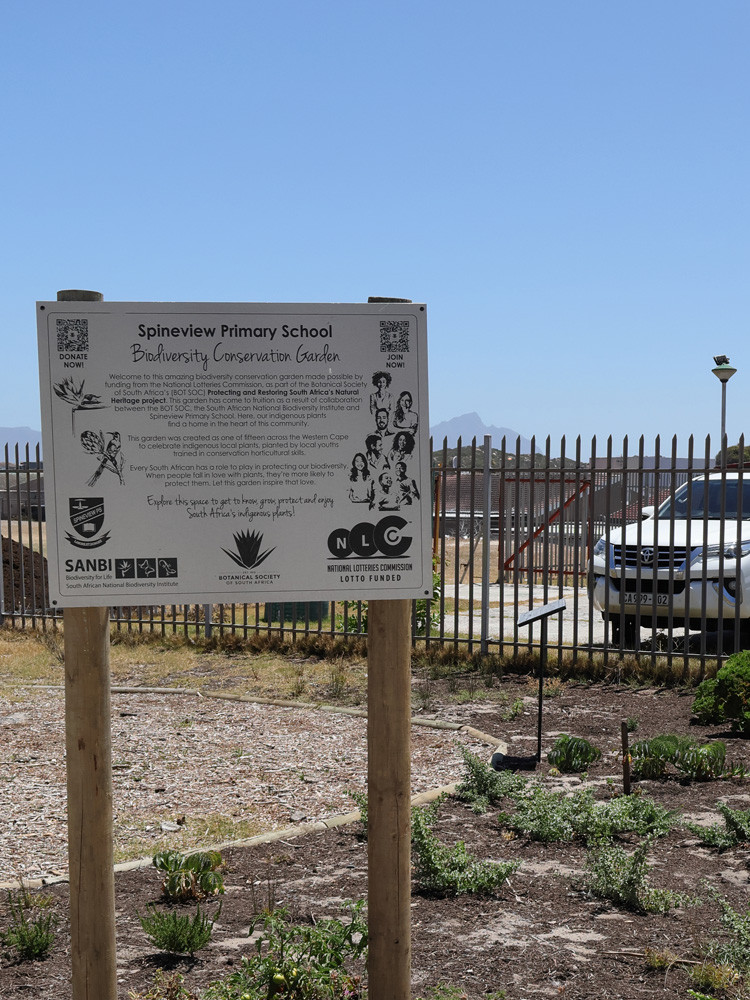
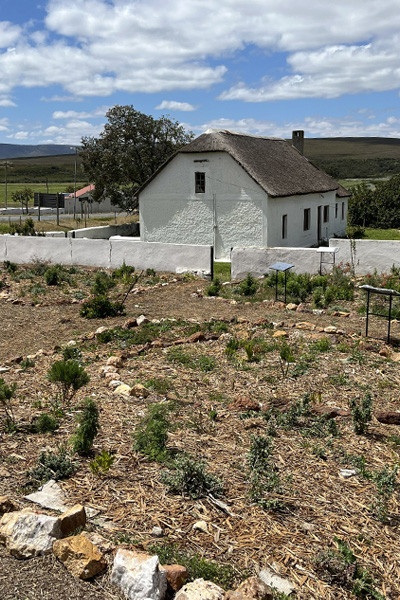
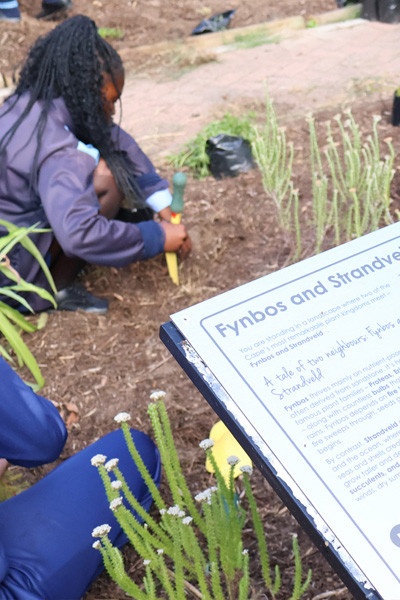
The garden now allows learners to experience indigenous plants first-hand through interactive signage and hands-on learning.
The importance of the area: Cape Flats Dune Strandveld
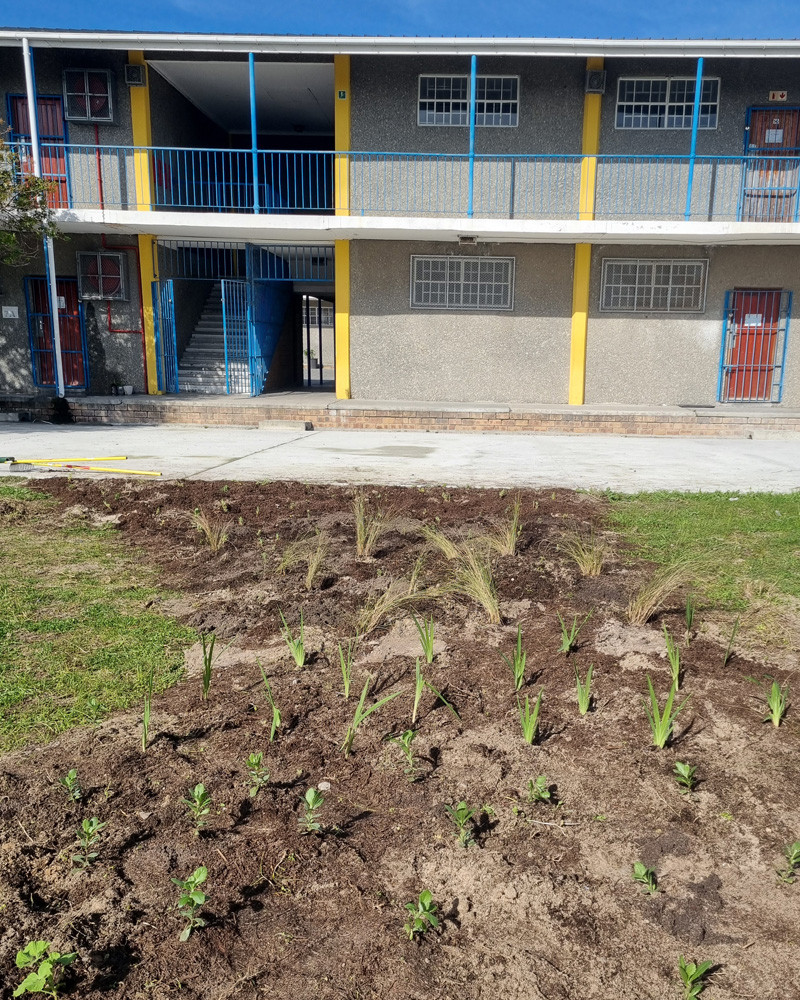
The garden highlights the plant diversity and vegetation types of the Cape Floristic Region, specifically Cape Flats Dune Strandveld, one of the region’s most threatened vegetation types. These plants serve as a protective green belt along the dunes of the False Bay coast, and play an important ecological role.
The themed planting areas include:
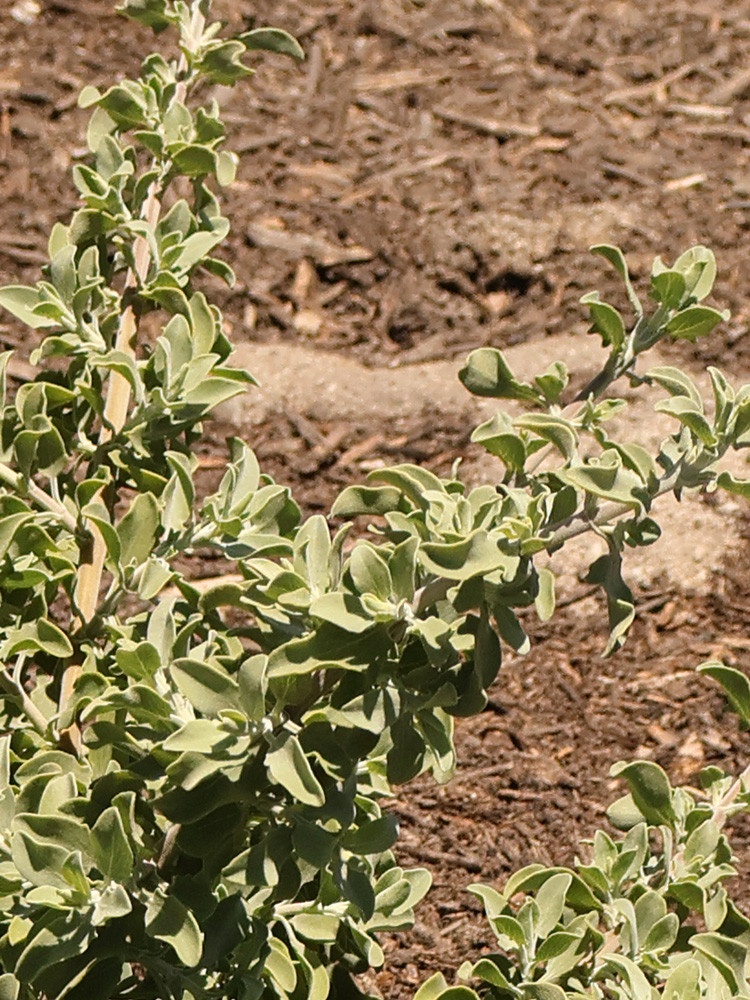
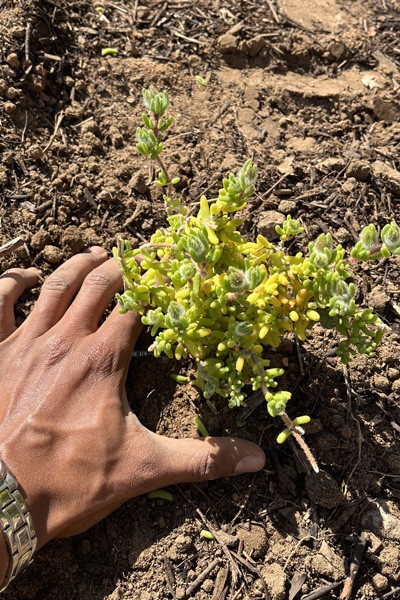
– Cape Flats Dune Strandveld bed, featuring species that thrive on nutrient-rich coastal sands mixed with ancient shell fragments
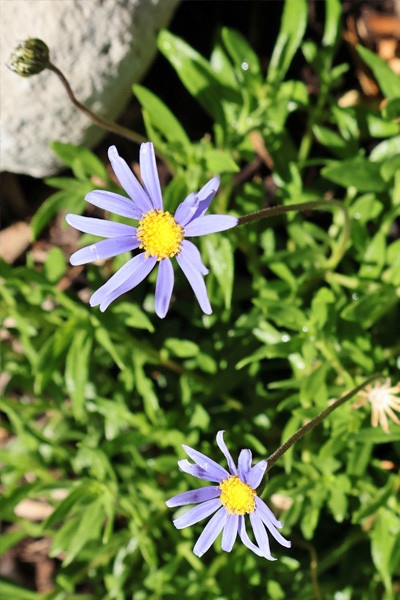
– Fynbos plant bed
– Medicinal plant bed highlighting species used for healing
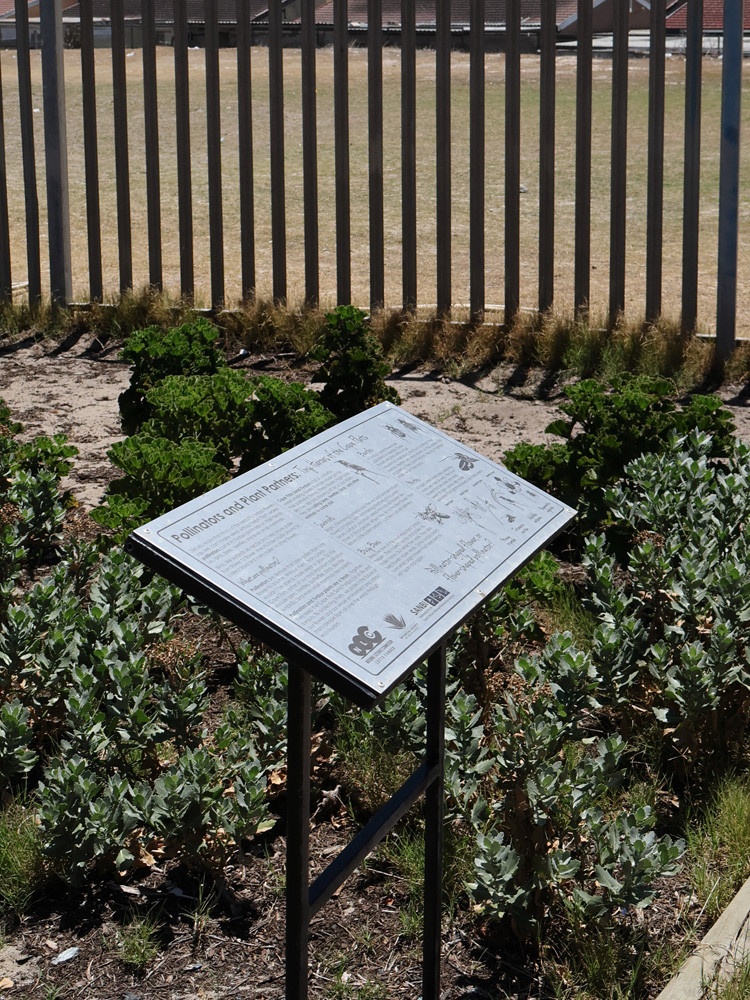
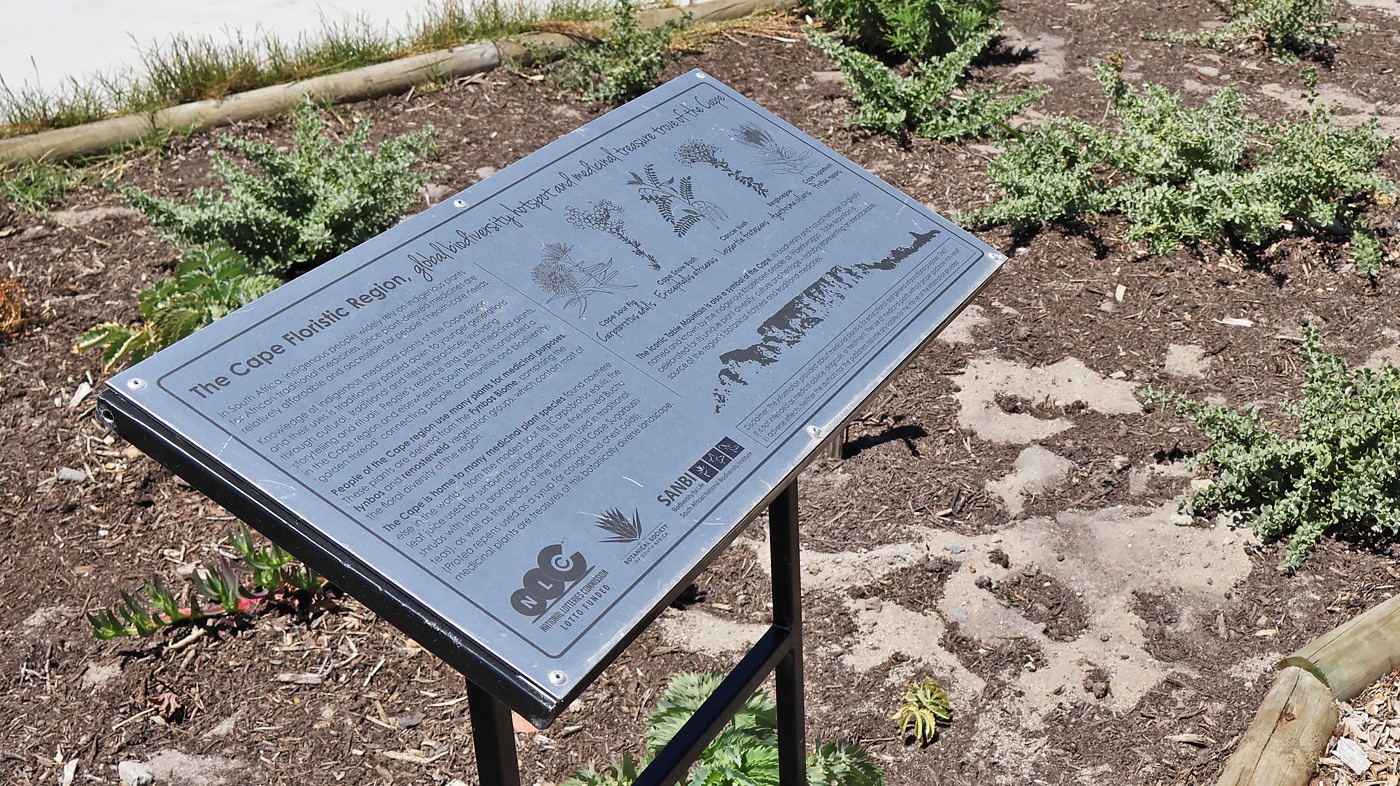
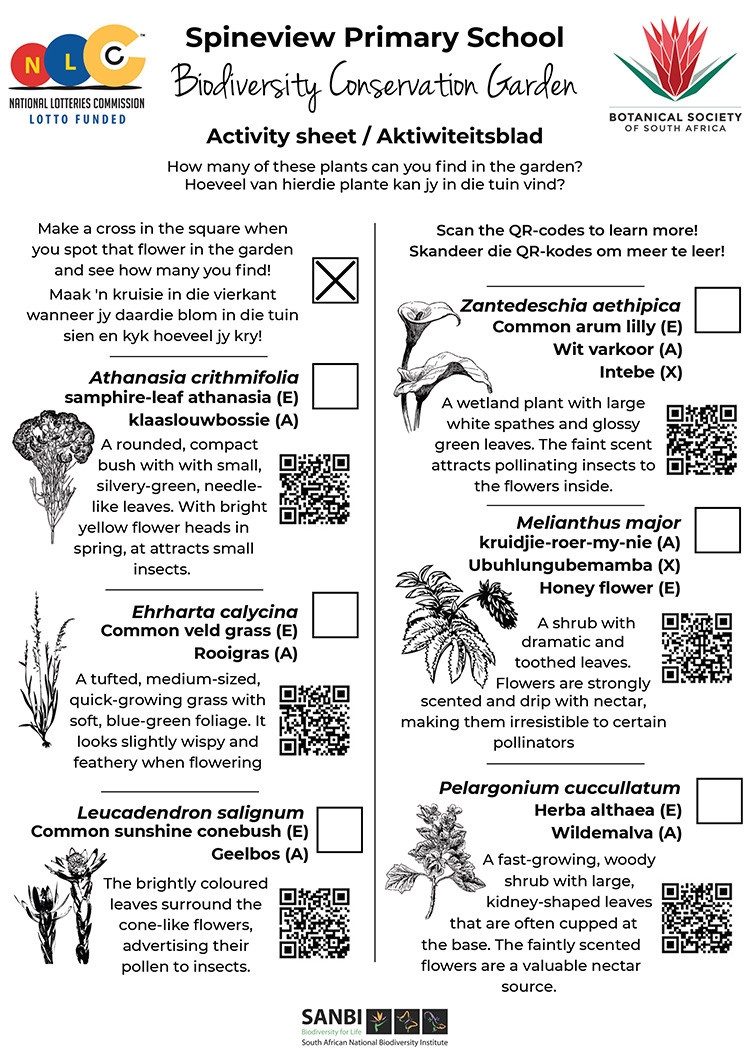
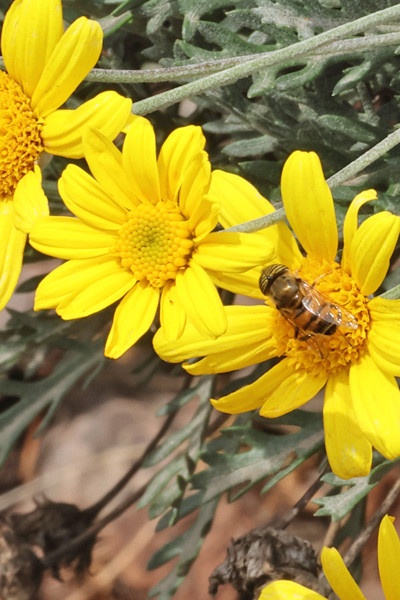
Interpretive signage explains plant ecology, pollinators and conservation importance.
Plant labels provide information on:
• Scientific and common names
• Plant characteristics
• Cultural value
• Pollinators
• Ecological significance
Each label also includes a QR code linking to SANBI’s PlantZAfrica website, allowing visitors to learn more about each species. Interpretive signage was developed by BOT SOC and designed by Jeanette Erasmus.
Partnerships behind the garden
The Spineview Primary School Biodiversity Conservation Garden was made possible through strong partnerships:



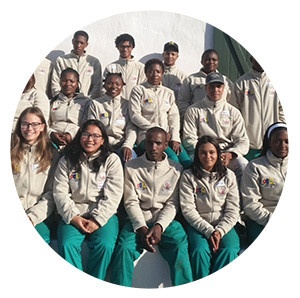
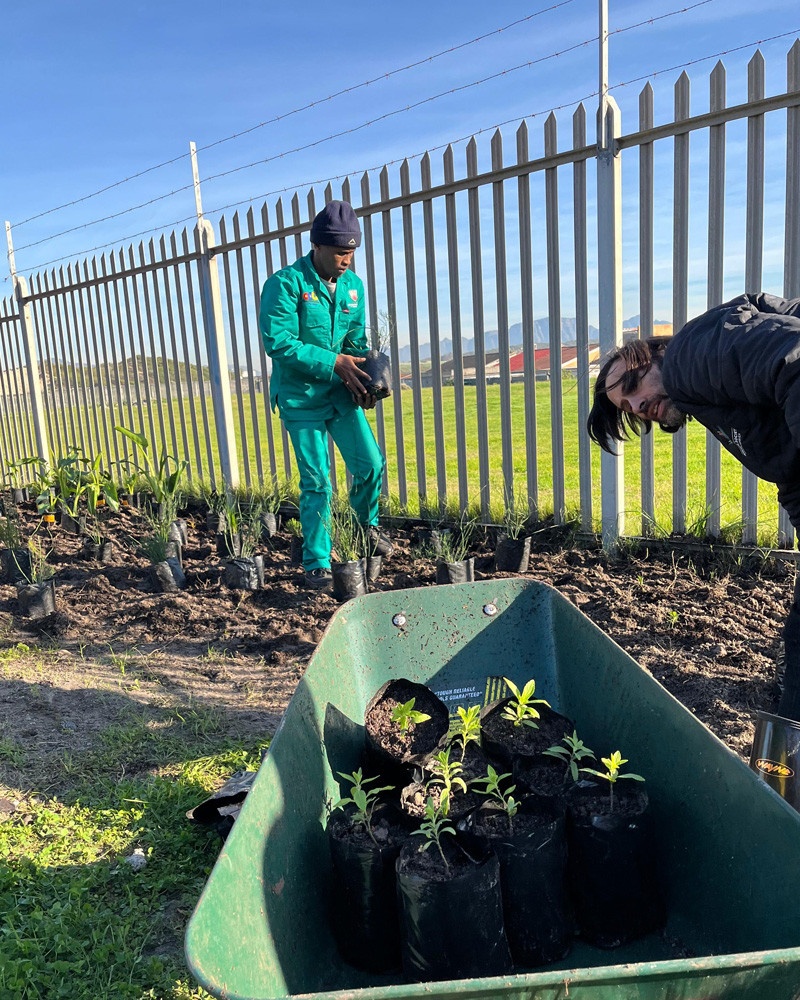
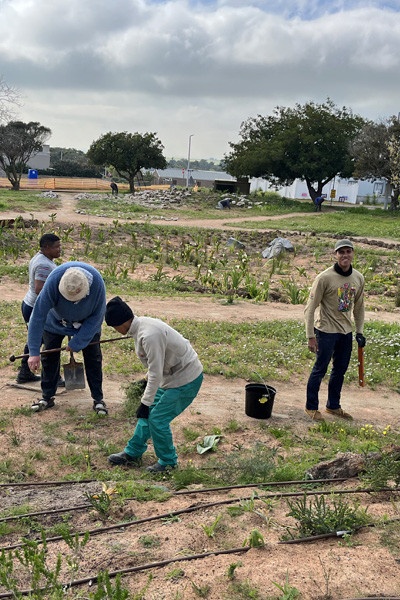
BOT SOC staff designed the overall layout of the garden and provided guidance on plant placement and thematic beds, while trained youth participants assisted with planting and garden establishment.
Tools and resources donated to the garden
To support long-term sustainability, BOT SOC donated gardening tools and resources to Spineview Primary School:
• Gardening tools
• Hosepipe
These tools help ensure the garden can be maintained and cared for by the school community.
The role of the
Botanical Society
of South Africa
BOT SOC played a central role in the creation of the Spineview Primary School Biodiversity Conservation Garden – as part of the Protecting and Restoring South Africa’s Natural Heritage project, funded by the National Lotteries Commission.
BOT SOC supported the project by supporting and funding:
– Youth training and skills development
– Garden planning and coordination
– Indigenous plant selection
– Development of educational signage
– Community engagement
– Partnerships coordination

Community stewardship
This garden is a gift to Spineview Primary School, and the school community has already played an important role in its success.
Learners and staff have been caring for the garden since its establishment in July 2025.
You can get involved
The Spineview Primary School Biodiversity Conservation Garden now serves as a living classroom for learners and visitors.
But you don’t need to visit this garden to be part of the movement.
You can get involved by:
– Planting indigenous plants at home or school
– Learning about local biodiversity
Supporting biodiversity gardens in your community
– Encouraging environmental education initiatives
– Participating in citizen science platforms like iNaturalist
Explore the
garden resources
DOWNLOAD:
Get to know the other biodiversity gardens
Darling Biodiversity Conservation Park
WESTERN CAPE
Elim Biodiversity Conservation Garden
WESTERN CAPE
Kleinmond Lapa Biodiversity Conservation Garden
WESTERN CAPE
Inkcubeko Youth and Science Centre Biodiversity Conservation Garden
WESTERN CAPE
Esselen Park High School Biodiversity Conservation Garden
WESTERN CAPE
Wemmershoek Primary School Biodiversity Conservation Garden
WESTERN CAPE
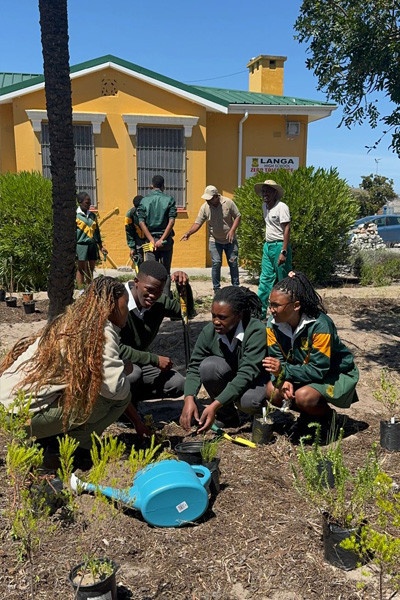
Langa High School Biodiversity Conservation Garden
CAPE TOWN
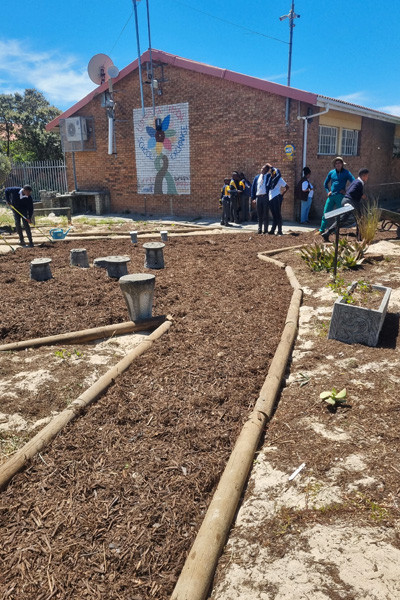
Luhlaza High School Biodiversity Conservation Garden
CAPE TOWN
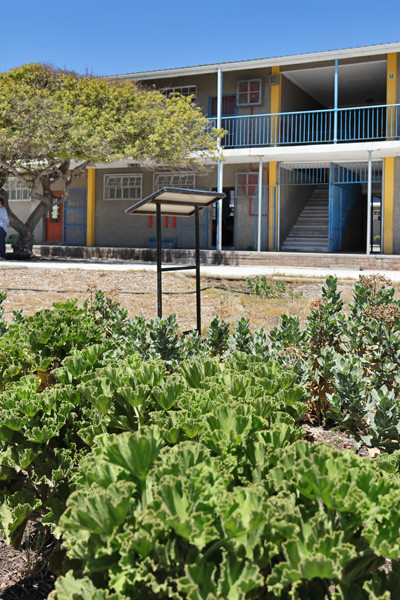
Spineview Primary School Biodiversity Conservation Garden
CAPE TOWN
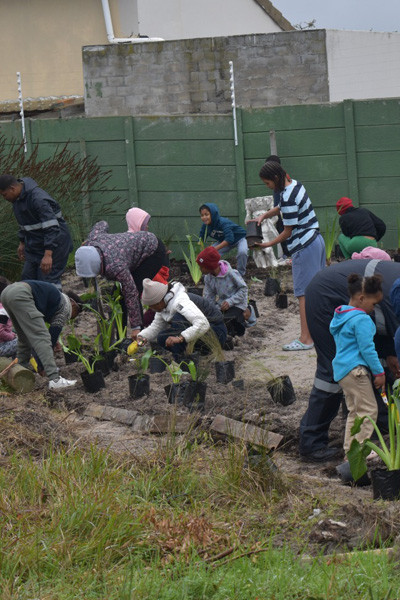
SOS Children’s Village Biodiversity Conservation Garden
CAPE TOWN
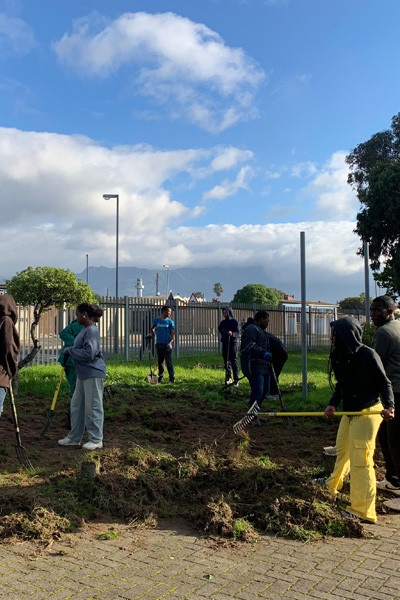
Sibelius High School Biodiversity Conservation Garden
CAPE TOWN
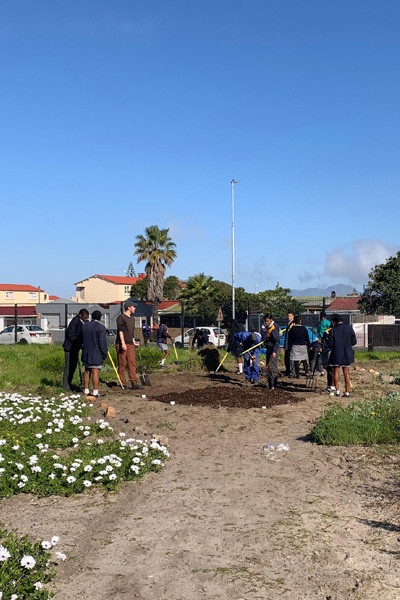
Crestway High School Biodiversity Conservation Garden
CAPE TOWN
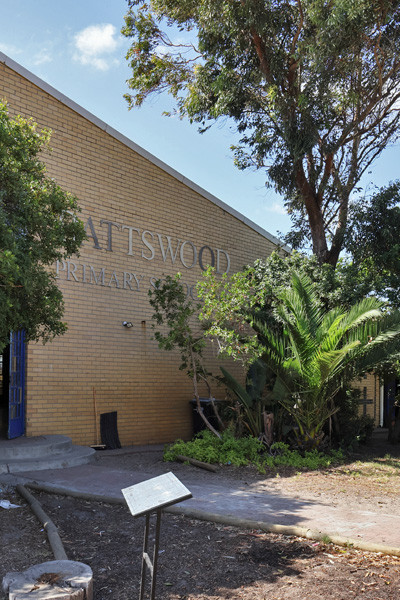
Battswood Primary School Biodiversity Conservation Garden
CAPE TOWN
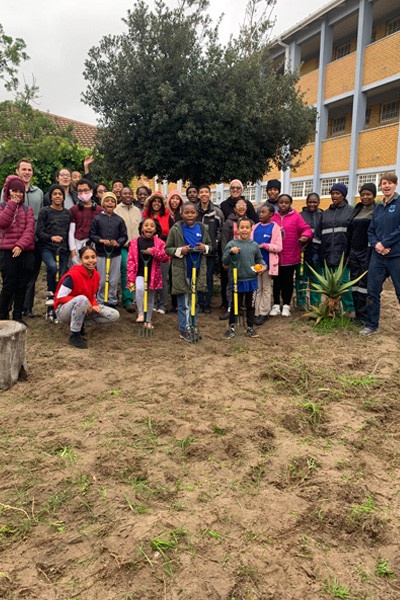
Steenberg High School Biodiversity Conservation Garden
CAPE TOWN
Masiphumelele High School Biodiversity Conservation Garden
CAPE TOWN

Hours
Tuesdays from 08h00 to 16h00. Closed from Wednesday to Monday and public holidays.
Contact Us
We are experiencing intermittent faults with our landlines. If you can't get through on our landline +27 (0) 21 797 2090 , please phone or send a message to our alternate WhatsApp number: +27 (0) 65 922 6163.
Notice
From 1 March 2026, our office located inside Kirstenbosch National Botanical Garden (through Gate 2) will be open to assist members on Tuesdays only (08:00 – 16:00).