NLC Programme | Biodiversity Gardens | Franschhoek
#GROW
Bringing the fynbos of the Wemmershoek Mountains into the school environment
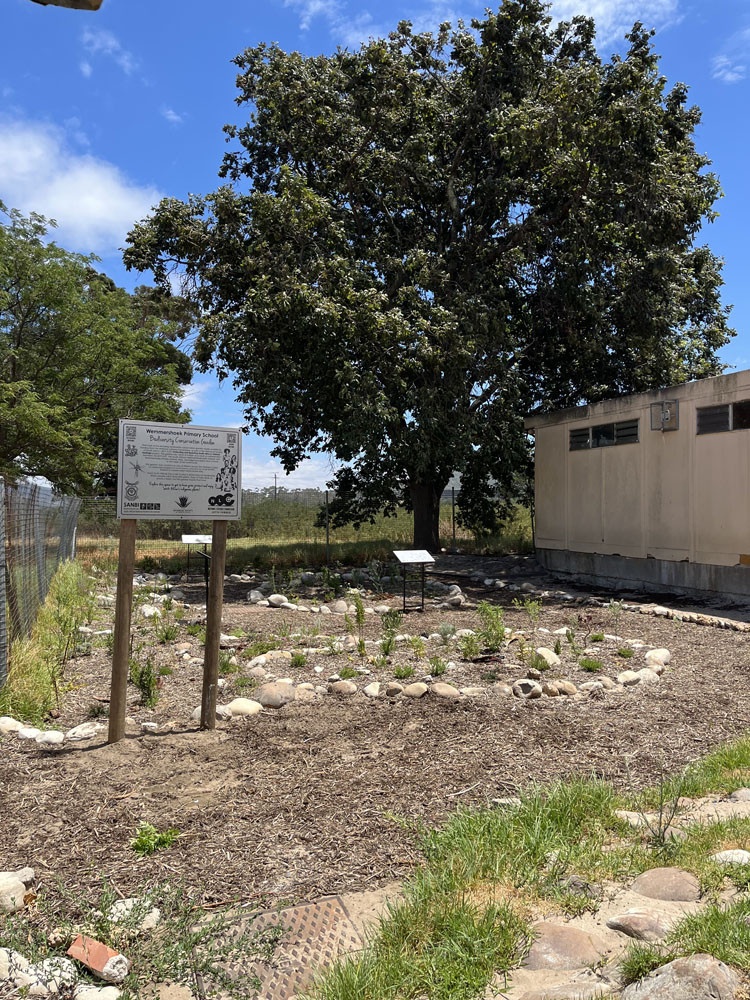
The Wemmershoek Primary School Biodiversity Conservation Garden, located in the Cape Winelands near Franschhoek, is a learning space where scholars and others can connect with indigenous plants and biodiversity.
Developed as part of BOT SOC’s Protecting and Restoring South Africa’s Natural Heritage project, this biodiversity garden celebrates the fynbos of the surrounding mountains and supports environmental education and conservation awareness.
Situated between classrooms, the garden brings the fynbos of the Wemmershoek Mountains into the school environment, allowing learners to engage directly with indigenous plants.
THIS PROJECT IS MADE POSSIBLE BY:

Youth skills development and conservation training
The Wemmershoek Primary School Biodiversity Conservation Garden was developed through collaboration between BOT SOC, the school and local community members.
Skills Development
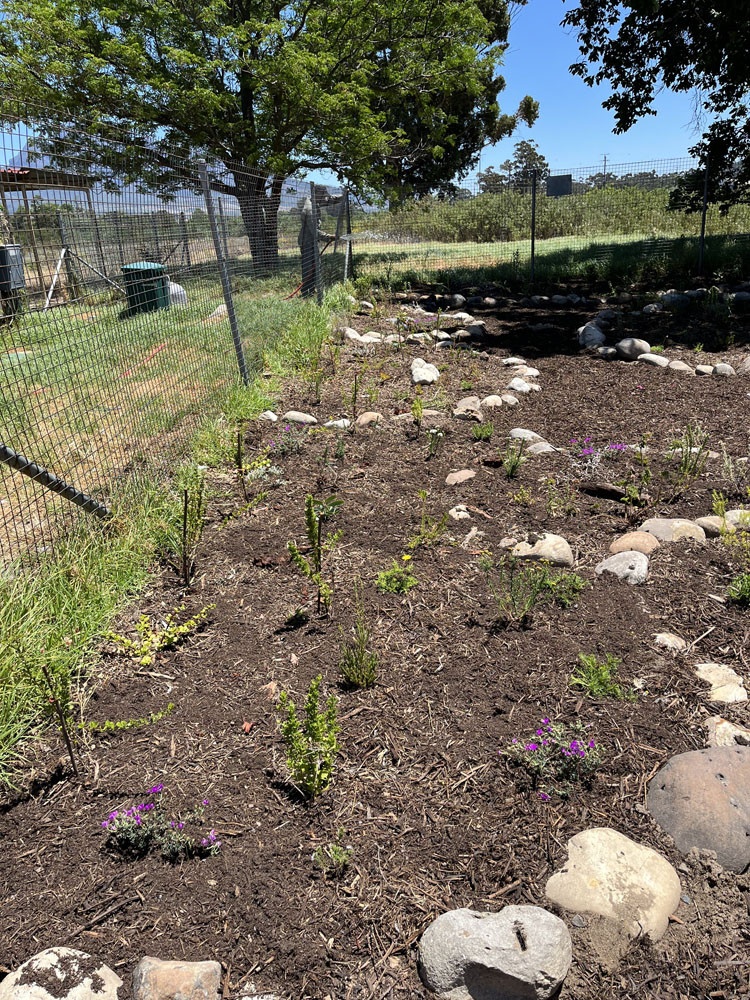
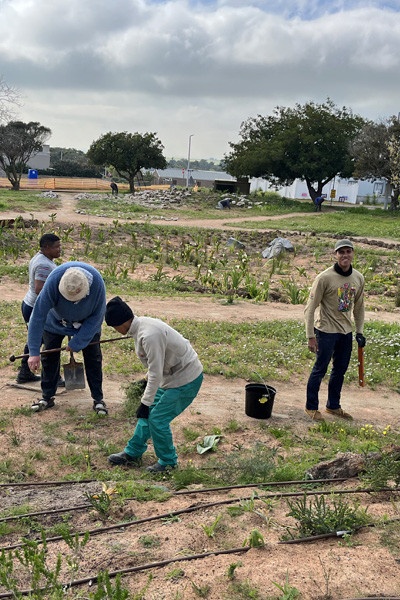
School staff and learners played an important role in:
– Preparing garden beds
– Planting indigenous plants
– Supporting garden establishment
– Learning about biodiversity

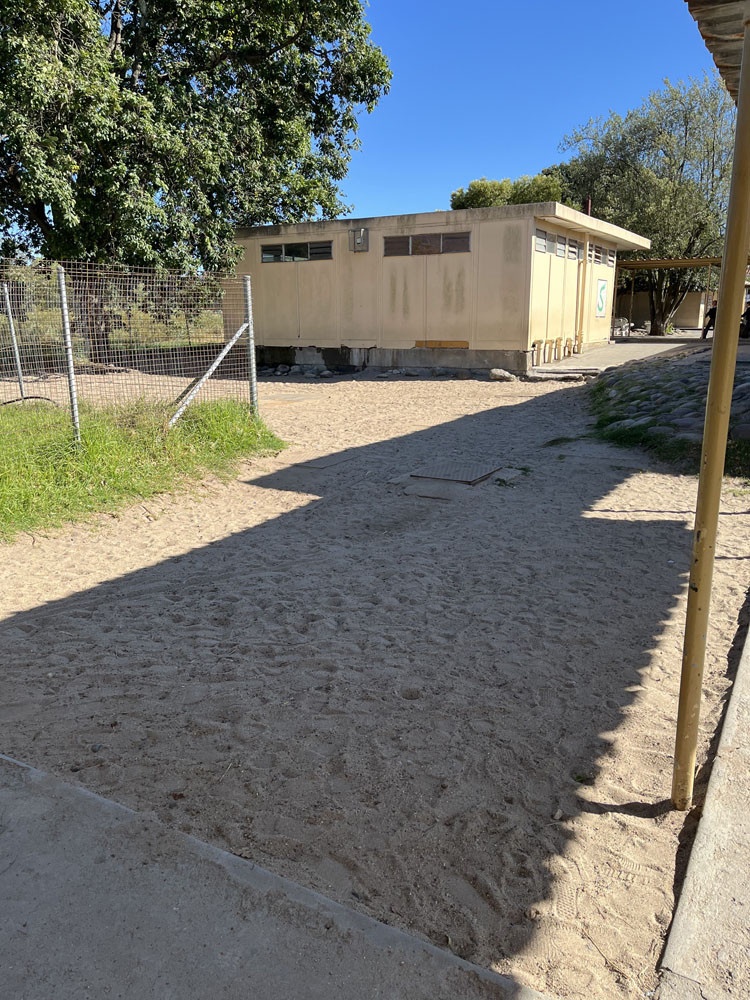
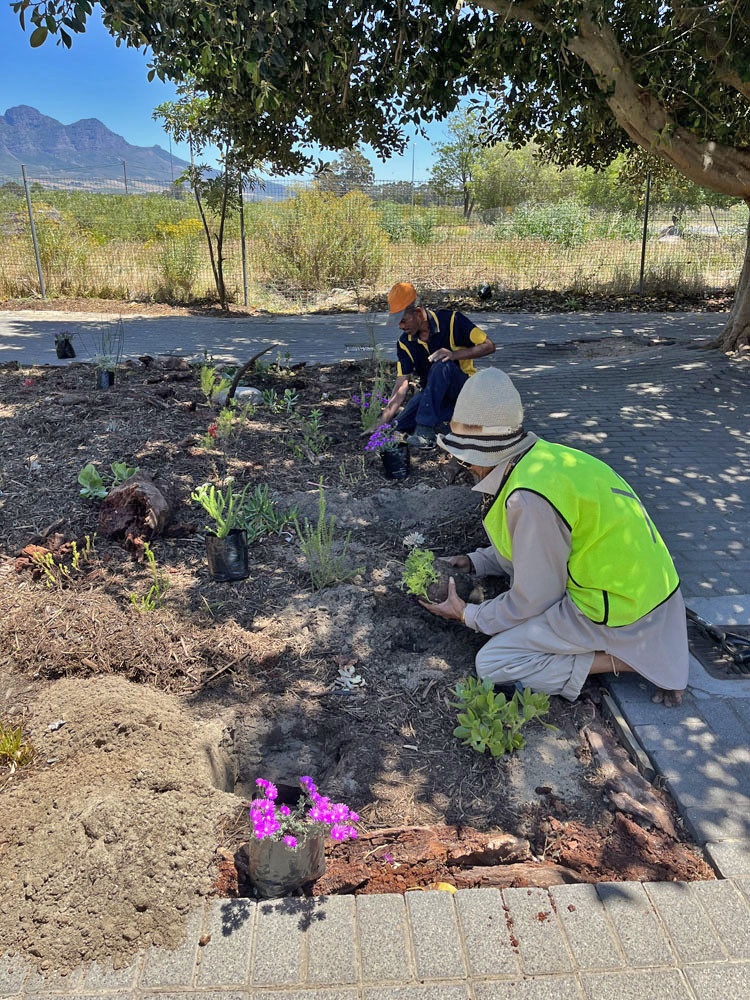
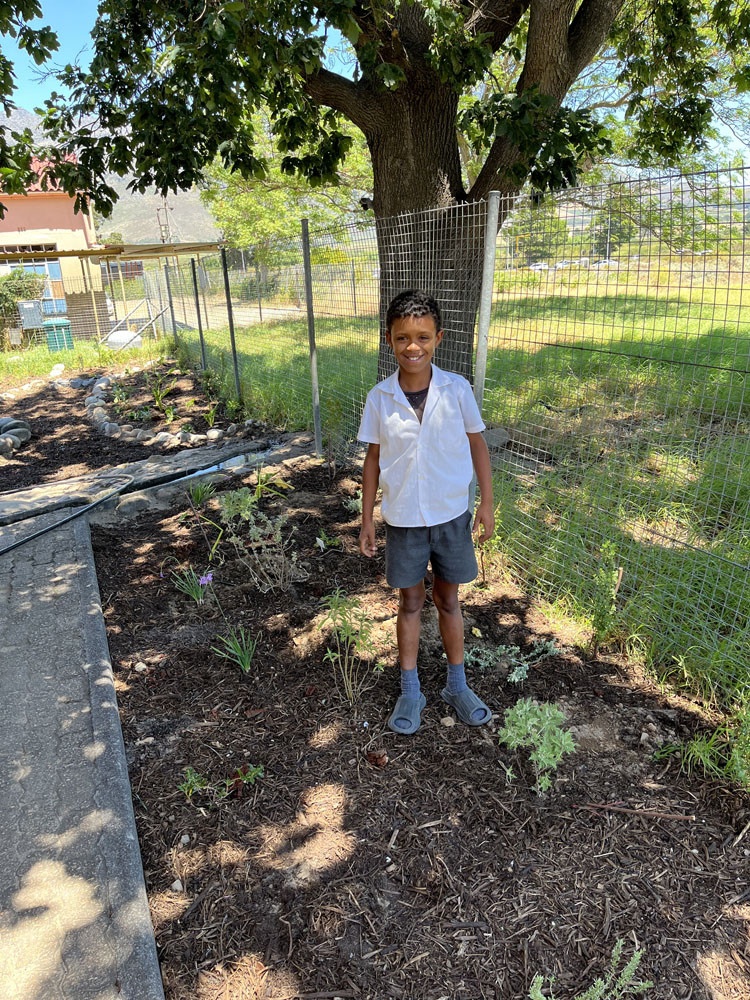
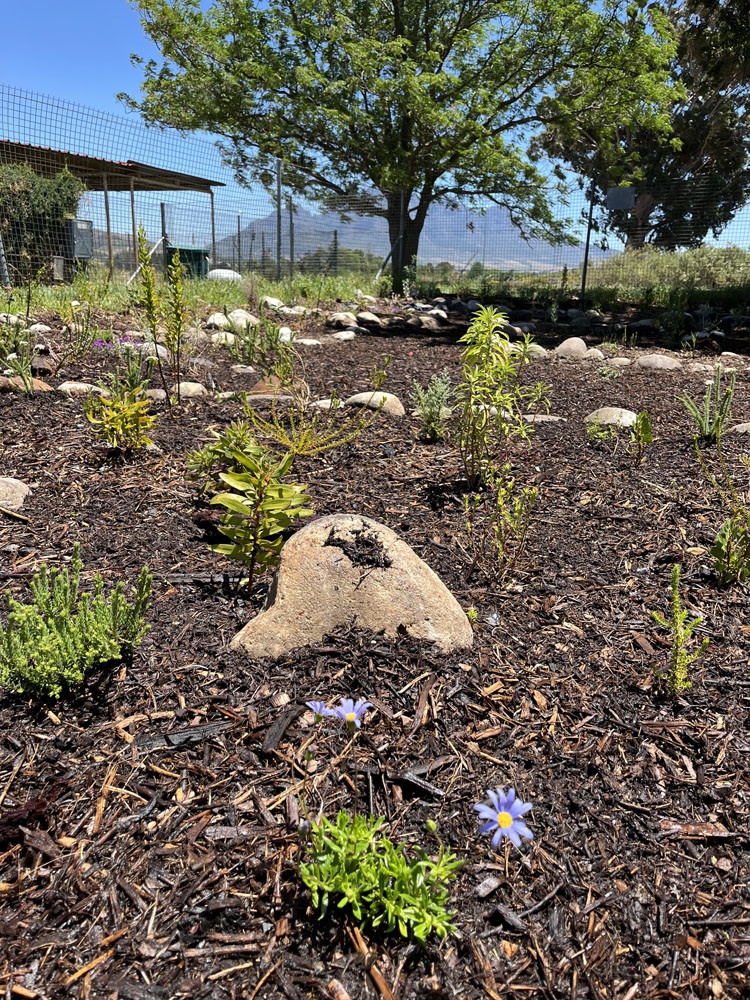

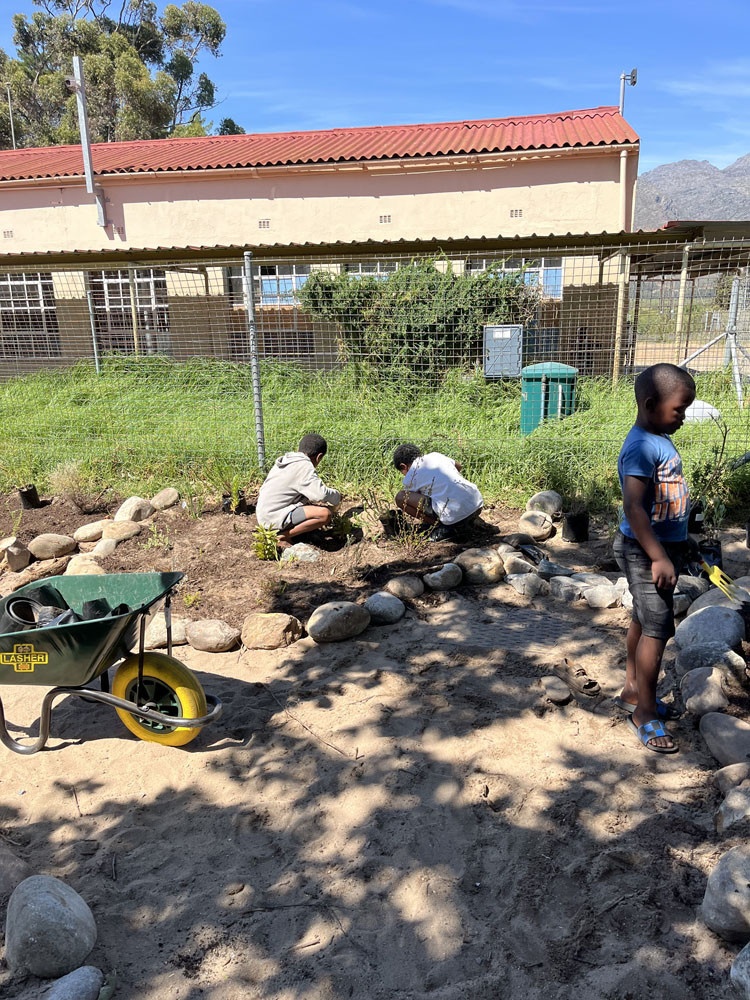

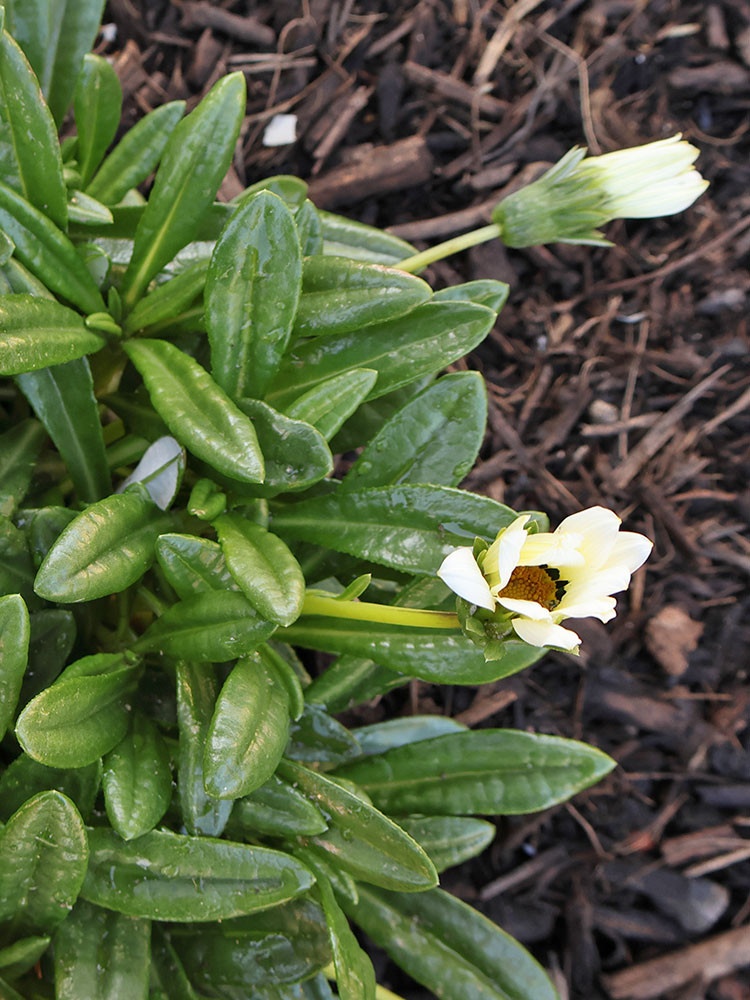
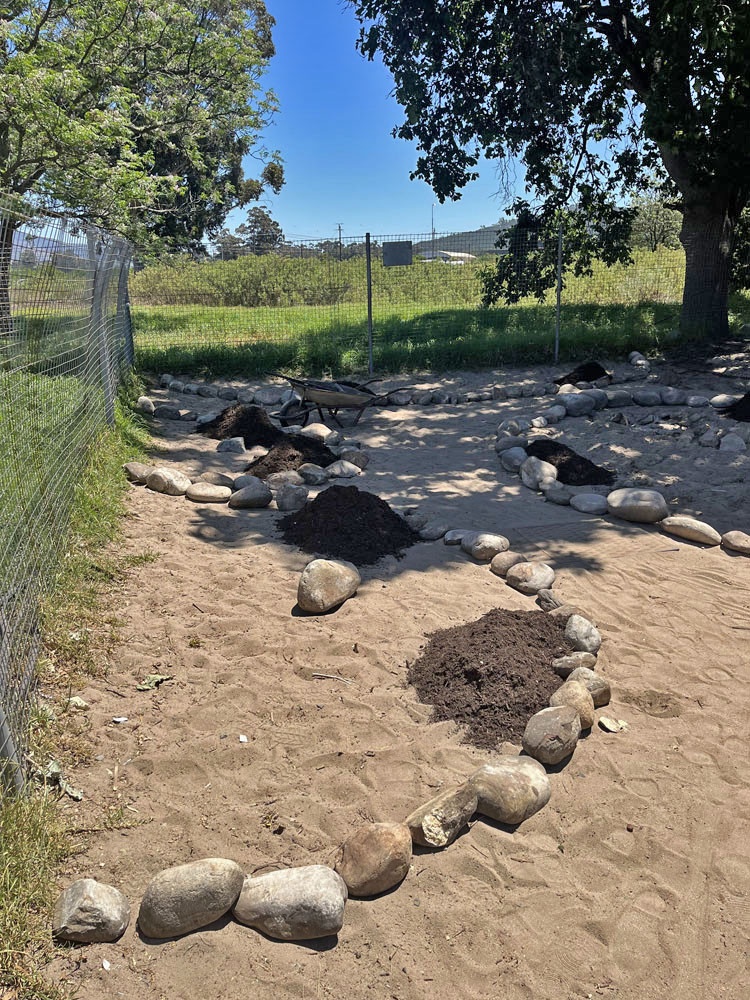
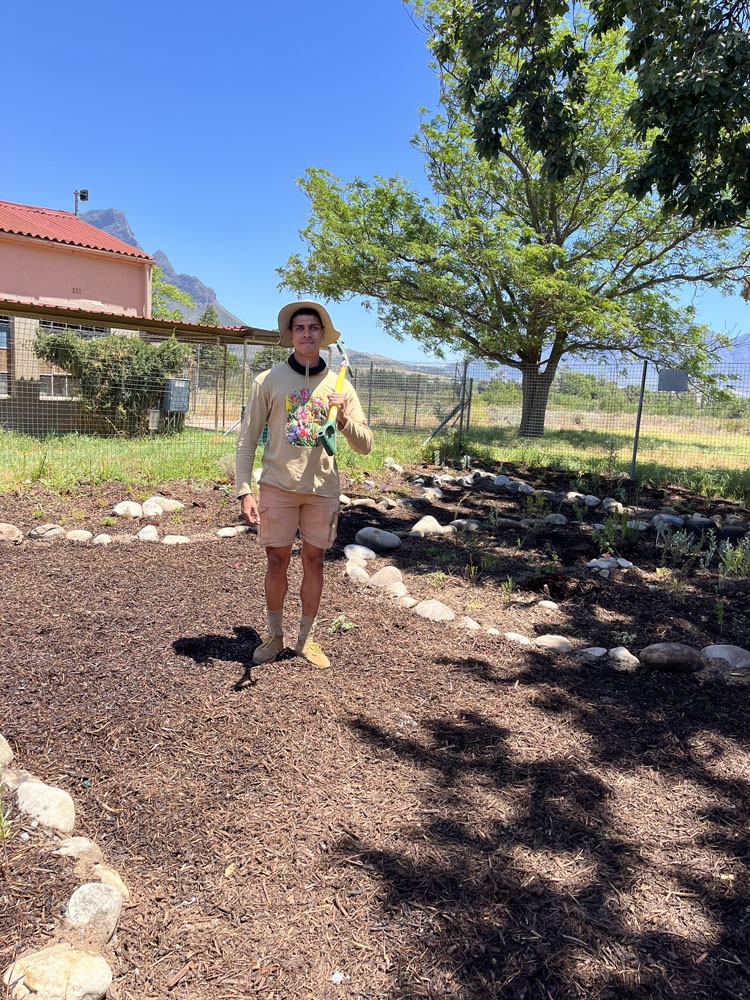
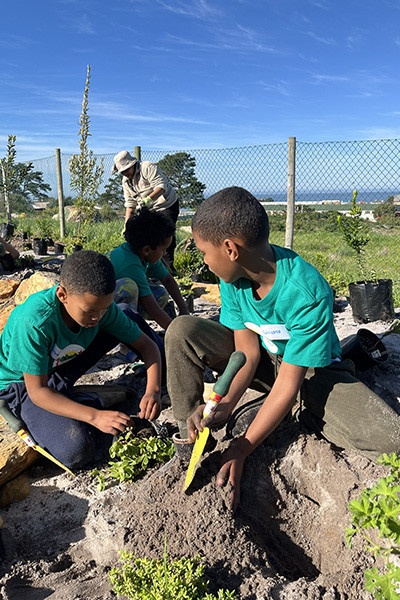
Through hands-on participation, learners gained exposure to:
– Indigenous plants
– Fynbos ecosystems
– Environmental stewardship
– Biodiversity conservation
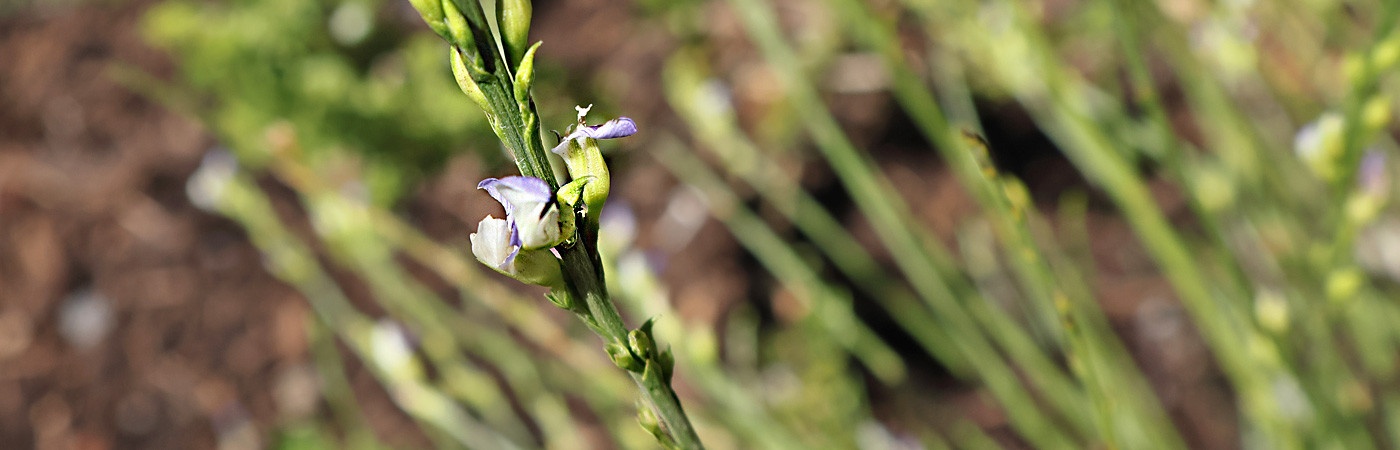
Why choose Wemmershoek Primary School?
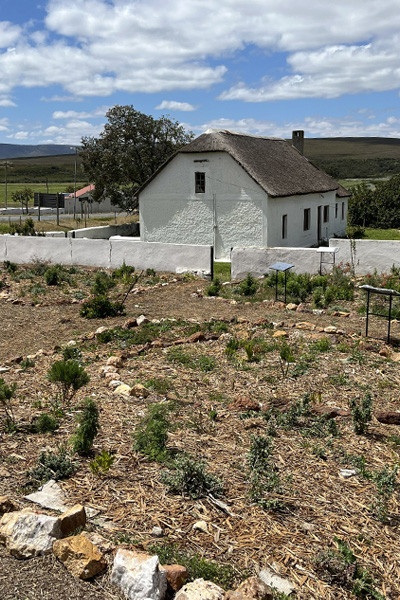
Wemmershoek Primary School is a historic community school located at the foot of the Wemmershoek mountains in the Cape Winelands.
Surrounded by mountain peaks and river valleys, the school is ideally positioned for a biodiversity conservation garden that reflects the surrounding natural environment, bringing the fynbos of the mountains directly into the playground.
The garden creates a living classroom where learners can:
– See indigenous plants
– Touch and smell plant species
– Learn about fynbos ecosystems
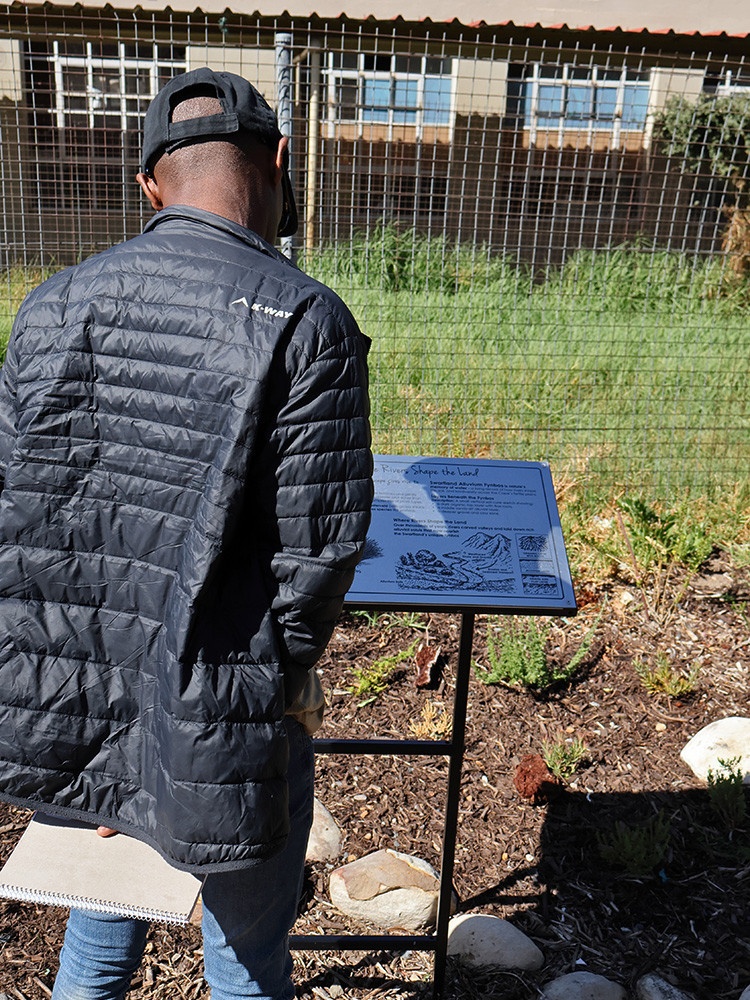
– Engage with educational signage
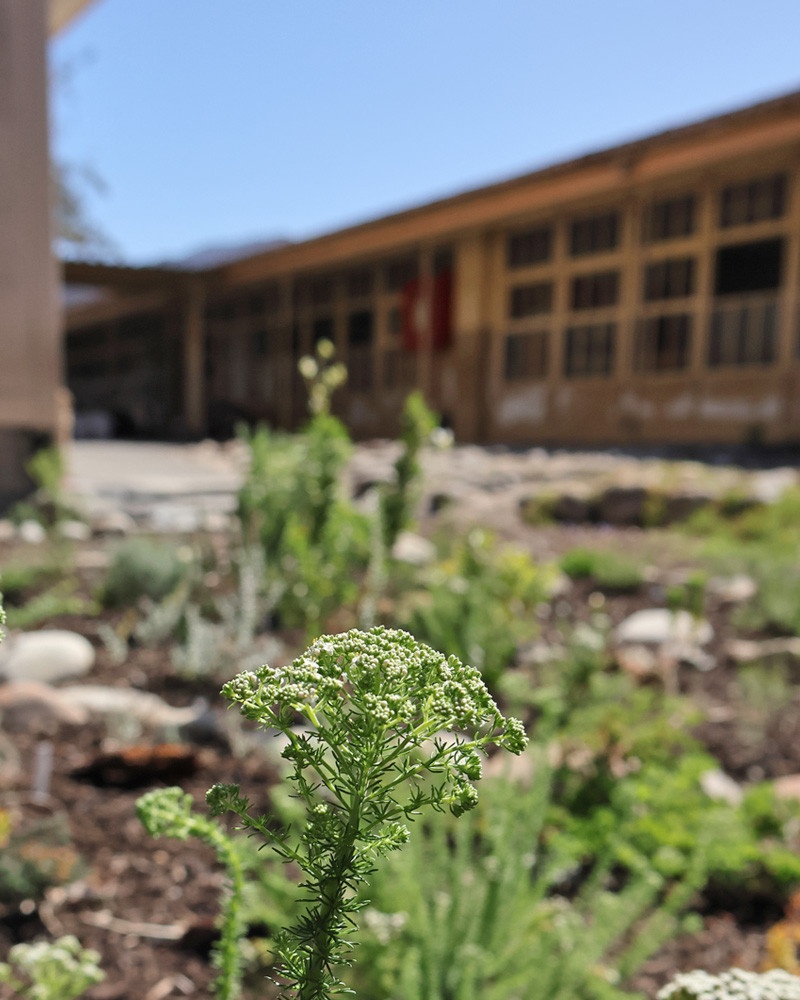
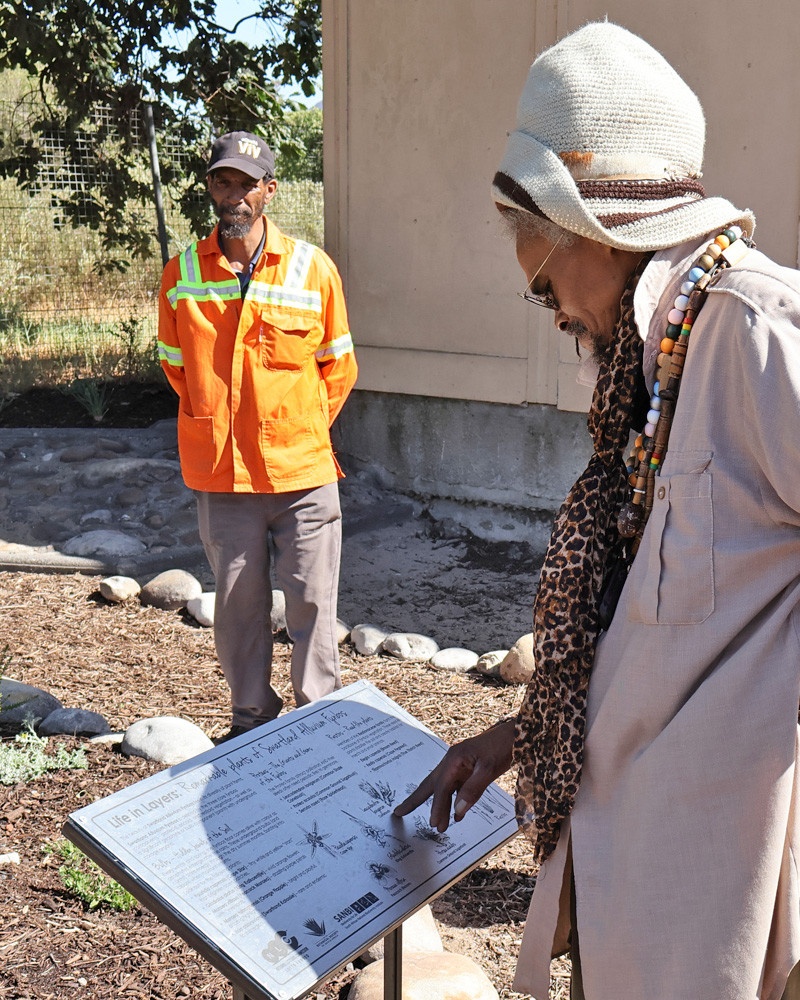
The importance of the area: Swartland Alluvium Fynbos
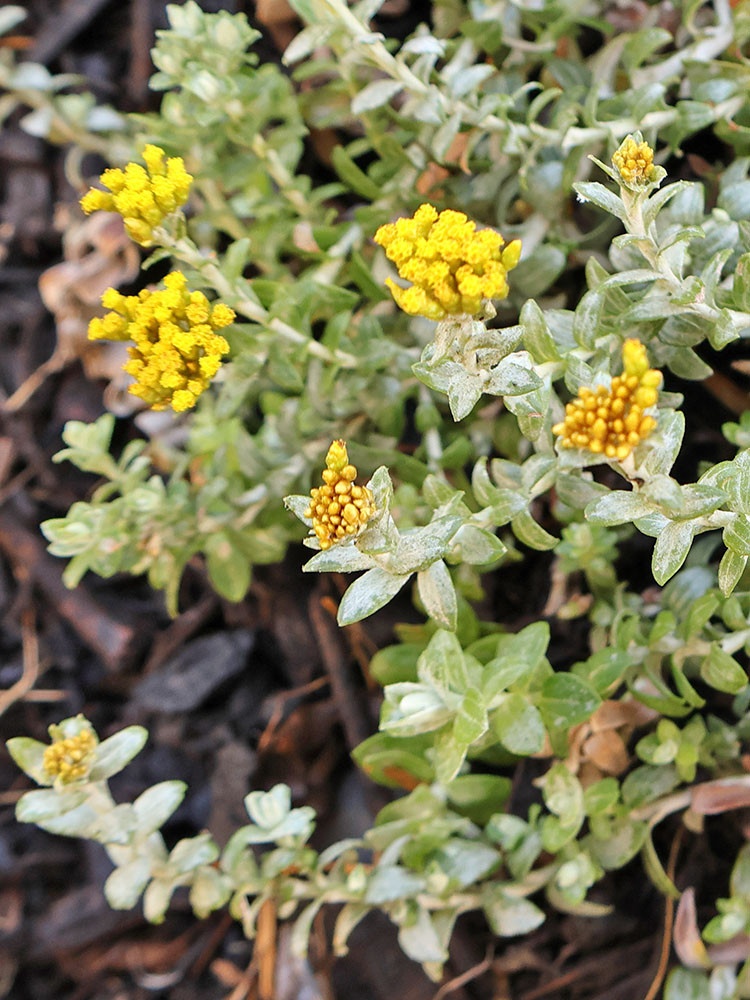
The garden highlights Swartland Alluvium Fynbos, a Critically Endangered vegetation type found in the region.
Thematic garden beds include:
– Indigenous plant display representing Swartland Alluvium Fynbos
– Geophyte (bulb) plants
– Medicinal plant hedge
These beds showcase plants adapted to fertile alluvial soils and highlight traditional and cultural plant uses.
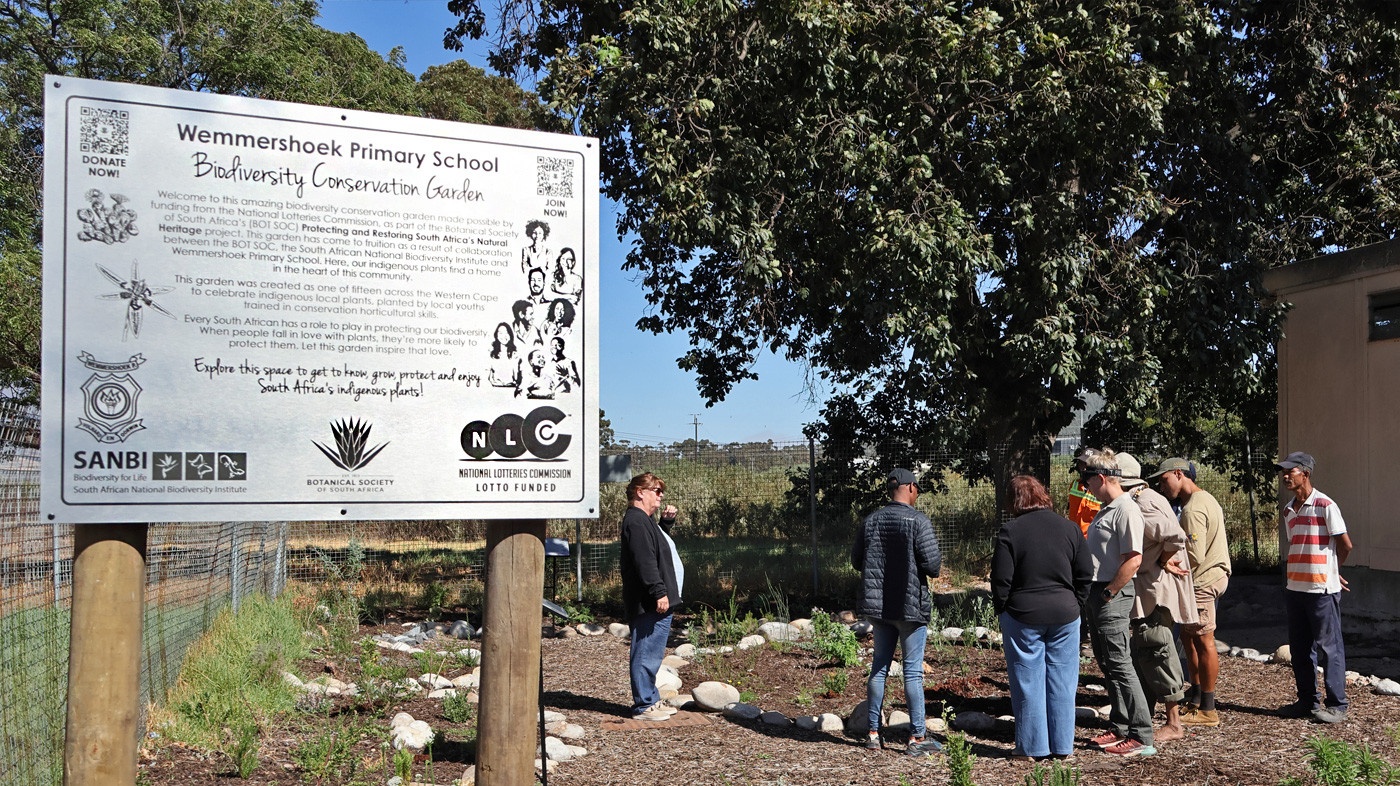
Interpretive signage explains:
– Indigenous plant species
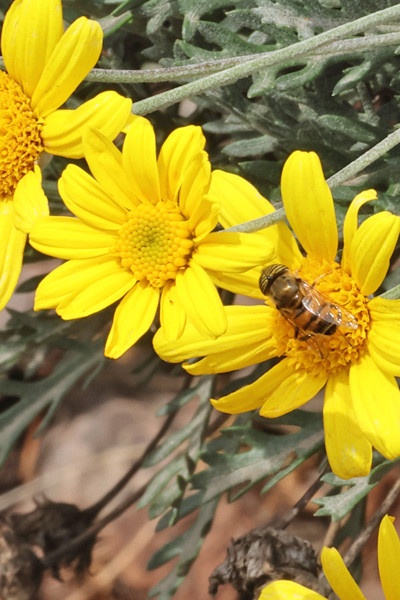
– Pollinators
– Fynbos ecology
– Cultural plant uses
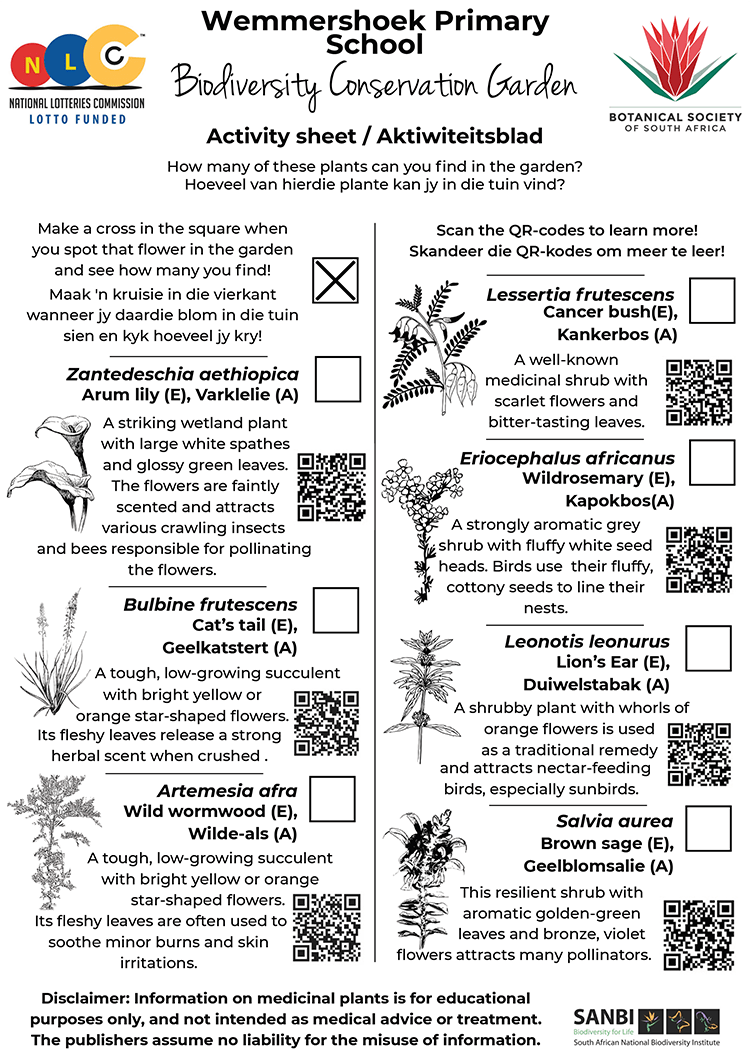
Plant labels also include:
– Scientific and common names
– Plant characteristics
– Cultural value
– QR codes linking to SANBI’s PlantZAfrica website
Interpretive signage was developed by BOT SOC and designed by Jeanette Erasmus.
Partnerships behind the garden
The Wemmershoek Primary School Biodiversity Conservation Garden was made possible through strong partnerships.


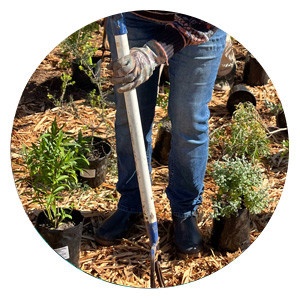
Local community members provided guidance on:
– Plant placement
– Species selection
– Garden design
Learners and staff assisted with the implementation and planting of the garden.
Tools and resources donated to the garden
To support long-term sustainability, BOT SOC donated gardening equipment and resources to Wemmershoek Primary School.
These included:
Gardening tools | Hosepipe | Maintenance equipment
These tools help ensure the garden can be maintained by learners and staff.
The role of the
Botanical Society
of South Africa
BOT SOC played a central role in the creation of the Wemmershoek Primary School Biodiversity Conservation Garden – as part of the Protecting and Restoring South Africa’s Natural Heritage project, funded by the National Lotteries Commission.
BOT SOC supported the project by supporting and funding:
– Youth training and skills development
– Garden planning and coordination
– Indigenous plant selection
– Development of educational signage
– Community engagement
– Partnerships coordination
Community stewardship
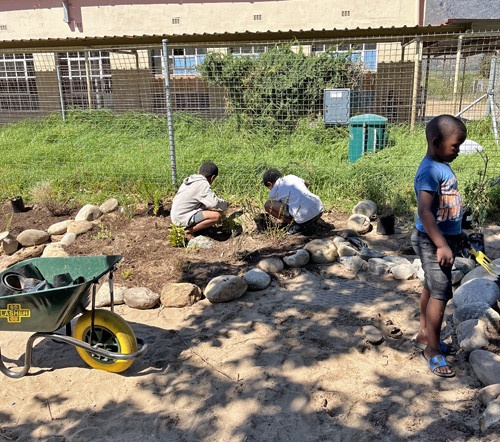
This garden is a gift to Wemmershoek Primary School, whose learners and staff have played an important role in its success.
Since its establishment in November 2025, the school community has taken responsibility for maintaining and caring for the garden.
You can get involved: Visit the garden
The Wemmershoek Primary School Biodiversity Conservation Garden now serves as a living classroom connecting learners with biodiversity. But you don’t need to visit this garden to be part of the movement. You can get involved by:
– Planting indigenous plants at home or school
– Learning about local biodiversity
– Supporting biodiversity gardens in your community
– Encouraging environmental education initiatives
– Participating in citizen science platforms like iNaturalist
Explore the
garden resources
DOWNLOAD:
Get to know the other biodiversity gardens
Darling Biodiversity Conservation Park
WESTERN CAPE
Elim Biodiversity Conservation Garden
WESTERN CAPE
Kleinmond Lapa Biodiversity Conservation Garden
WESTERN CAPE
Inkcubeko Youth and Science Centre Biodiversity Conservation Garden
WESTERN CAPE
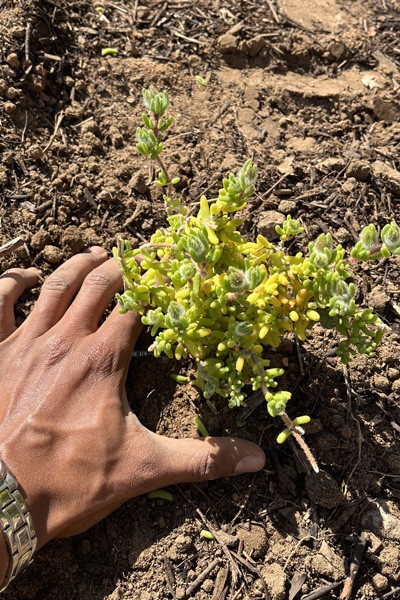
Esselen Park High School Biodiversity Conservation Garden
WESTERN CAPE
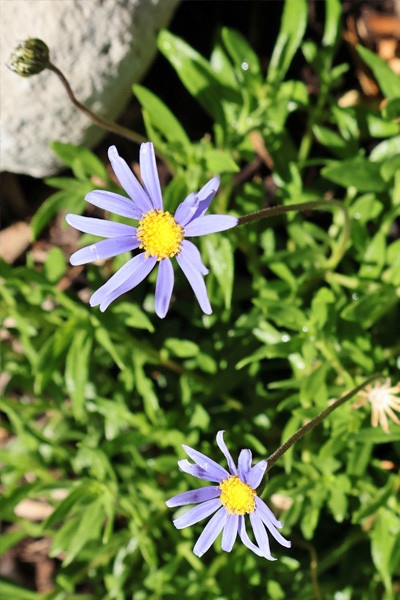
Wemmershoek Primary School Biodiversity Conservation Garden
WESTERN CAPE
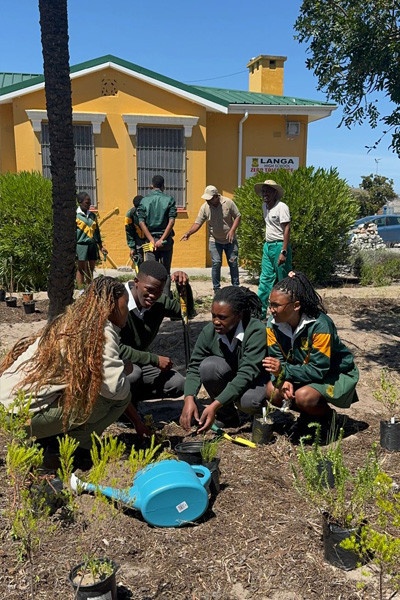
Langa High School Biodiversity Conservation Garden
CAPE TOWN
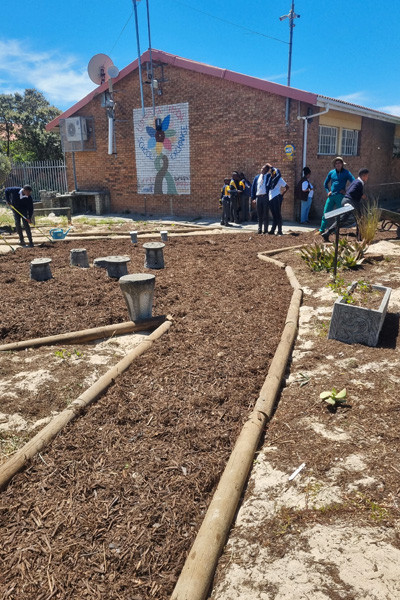
Luhlaza High School Biodiversity Conservation Garden
CAPE TOWN
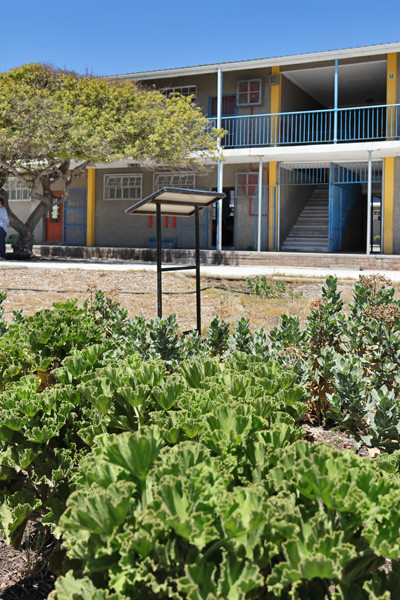
Spineview Primary School Biodiversity Conservation Garden
CAPE TOWN
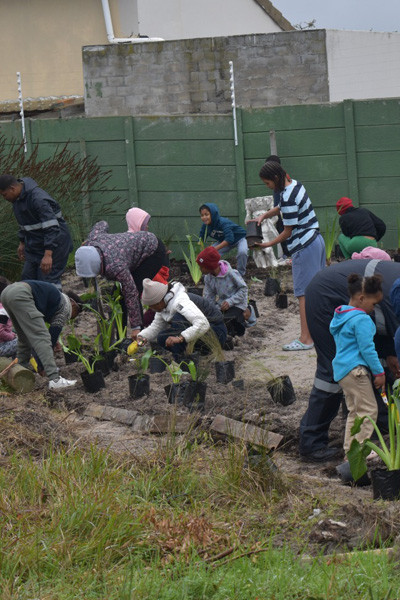
SOS Children’s Village Biodiversity Conservation Garden
CAPE TOWN
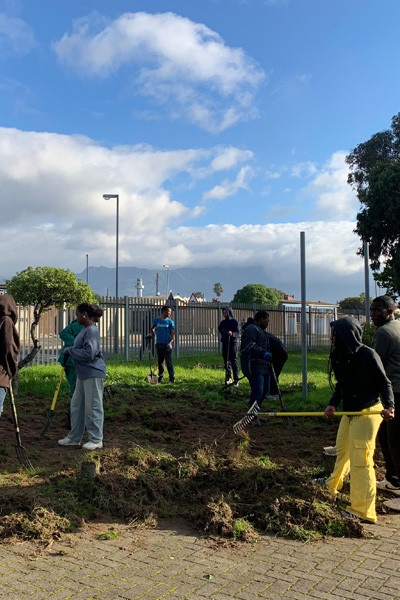
Sibelius High School Biodiversity Conservation Garden
CAPE TOWN
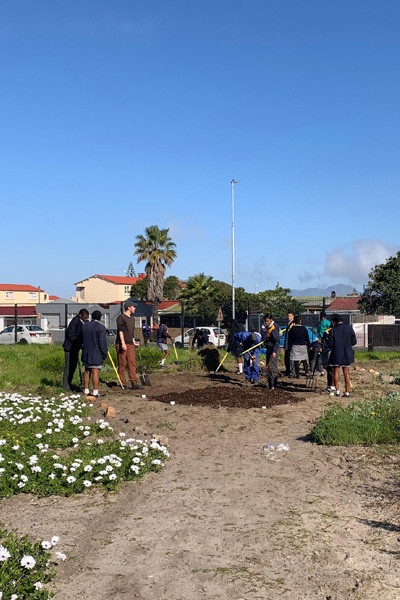
Crestway High School Biodiversity Conservation Garden
CAPE TOWN
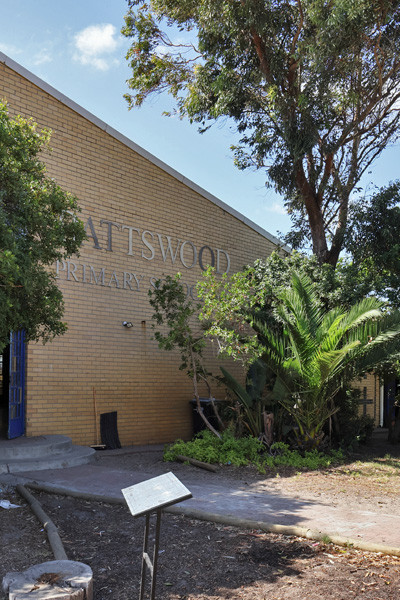
Battswood Primary School Biodiversity Conservation Garden
CAPE TOWN
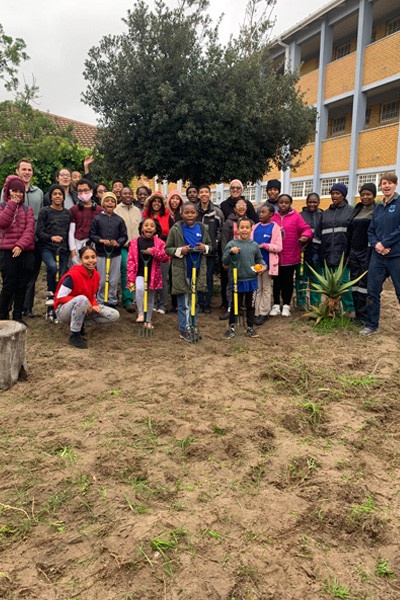
Steenberg High School Biodiversity Conservation Garden
CAPE TOWN
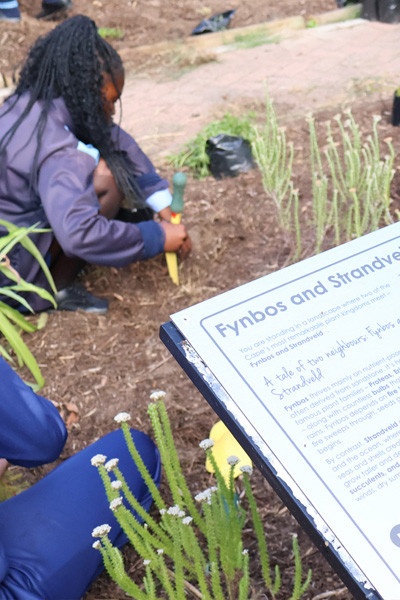
Masiphumelele High School Biodiversity Conservation Garden
CAPE TOWN

Hours
Tuesdays from 08h00 to 16h00. Closed from Wednesday to Monday and public holidays.
Contact Us
We are experiencing intermittent faults with our landlines. If you can't get through on our landline +27 (0) 21 797 2090 , please phone or send a message to our alternate WhatsApp number: +27 (0) 65 922 6163.
Notice
From 1 March 2026, our office located inside Kirstenbosch National Botanical Garden (through Gate 2) will be open to assist members on Tuesdays only (08:00 – 16:00).