Know, grow, protect and enjoy South Africa's indigenous plants
Strengthening citizen science for plant conservation
COMPONENT




As part of the Protecting and Restoring South Africa’s Natural Heritage project, the Botanical Society of South Africa worked to strengthen citizen science and plant conservation across the Western Cape.
Through hands-on training and collaboration with conservation partners, young people gained practical skills in plant identification, biodiversity monitoring and ecological restoration, while contributing valuable data to support threatened plant species conservation.
This component was implemented in partnership with the South African National Biodiversity Institute (SANBI) and the Custodians of Rare and Endangered Wildflowers (CREW) programme, building conservation capacity and expanding participation in citizen science in South Africa.
Impact of project component
30
youth participants
2000+
plant observations
885+
plant species
Building citizen science skills for youth
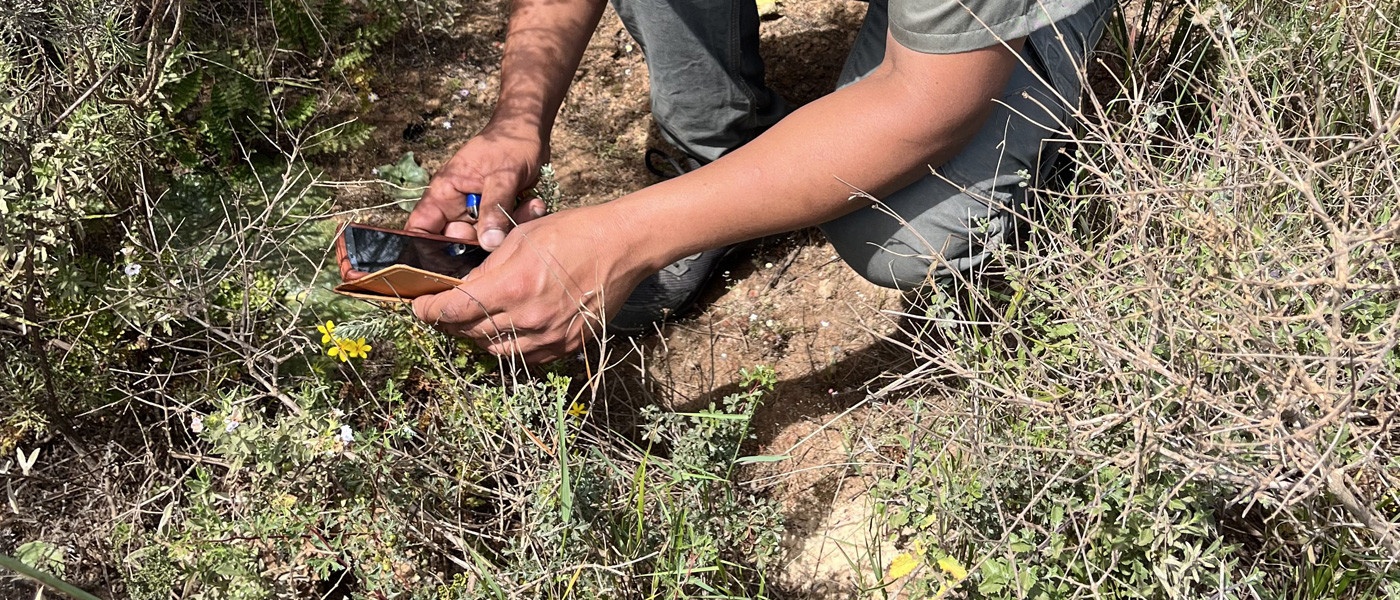
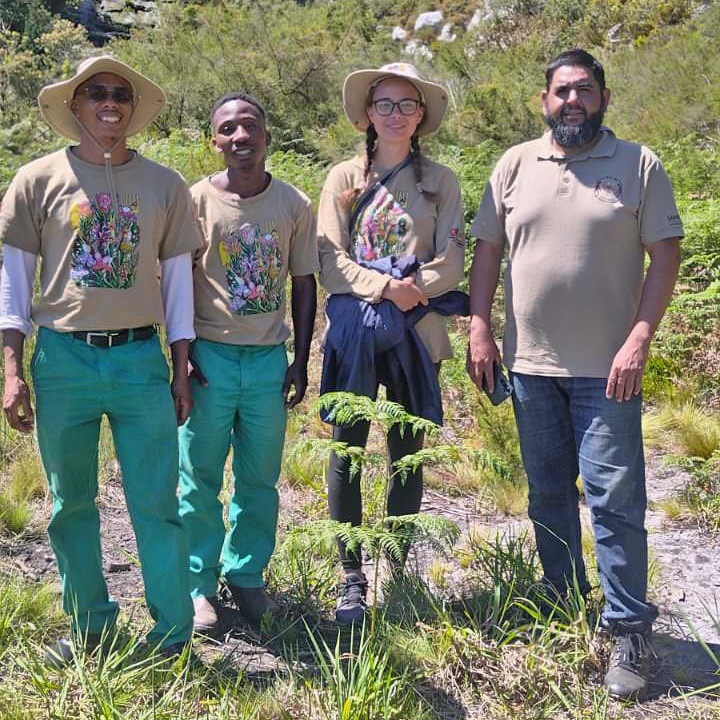
Component 1 significantly expanded citizen-science participation while building meaningful conservation skills among young people in the Western Cape.
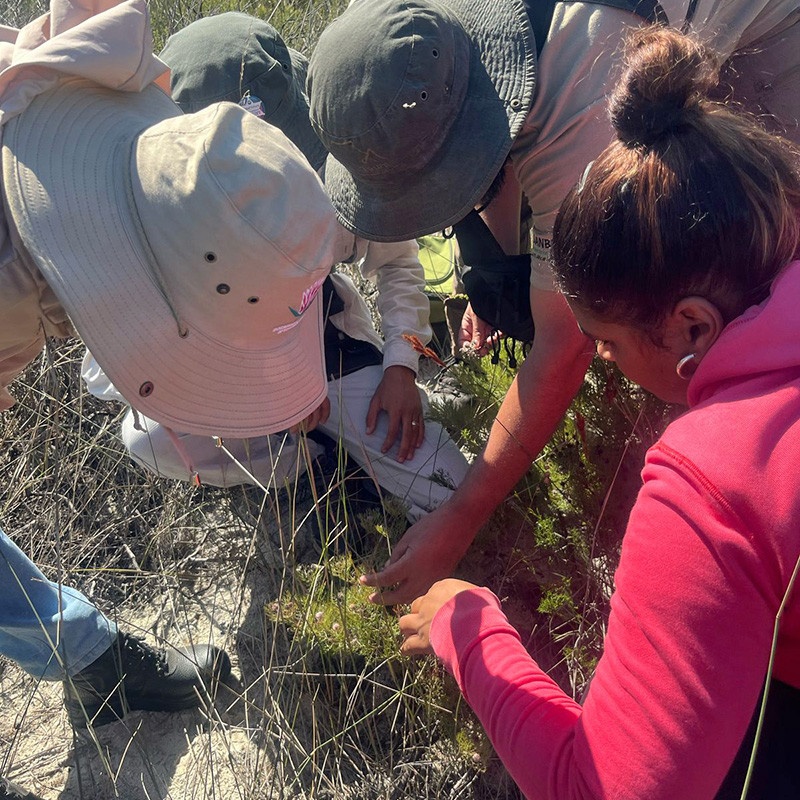
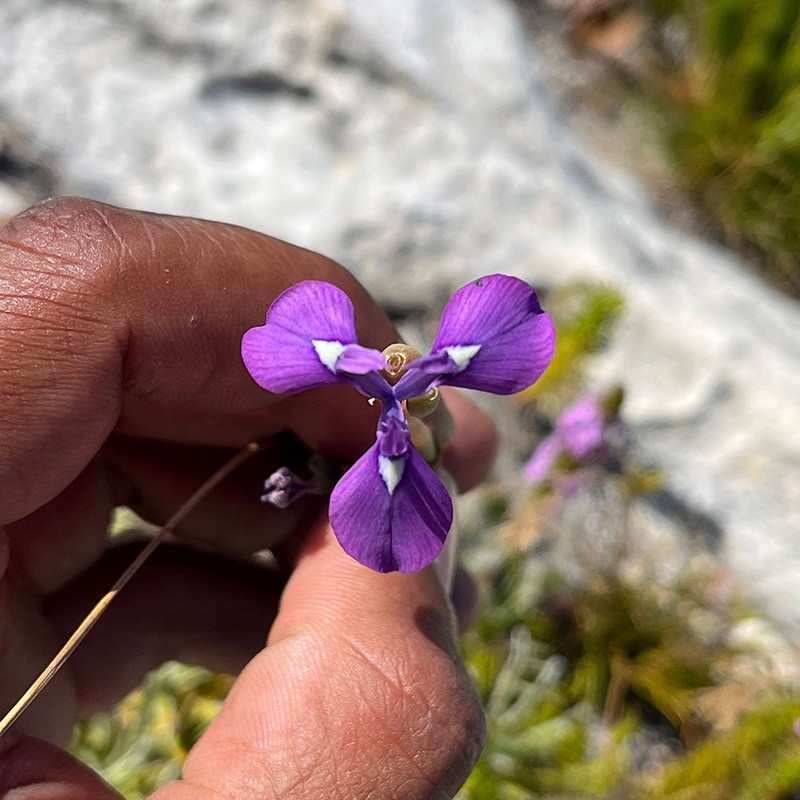
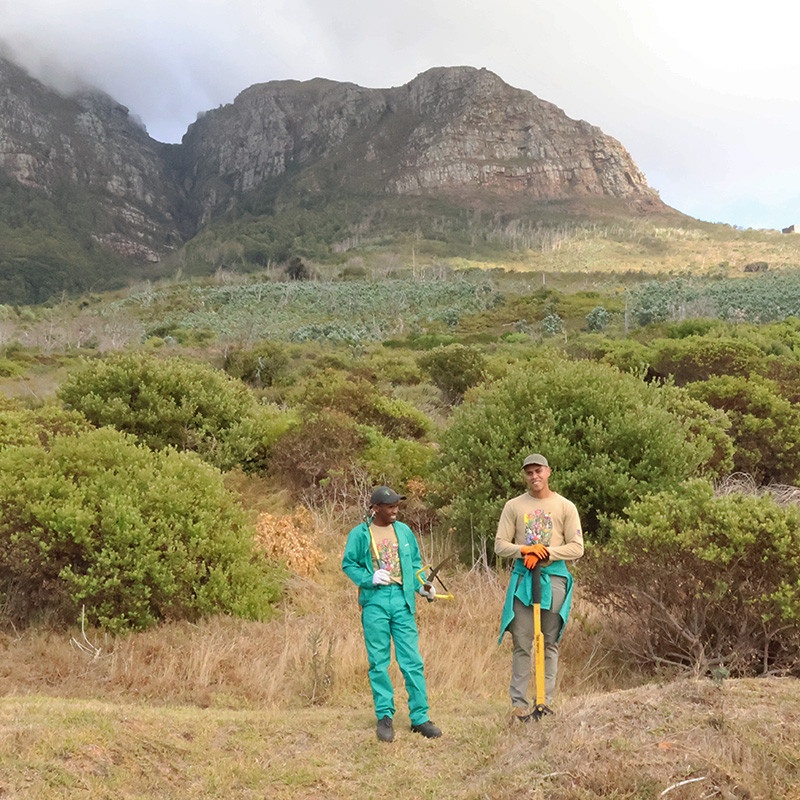
At least 30 youth beneficiaries received integrated theoretical and practical training in:
– Plant identification
– Plant conservation
– Invasive alien clearing
– Biodiversity monitoring
– Citizen science methods
– Digital biodiversity platforms such as iNaturalist
This youth conservation training helped participants develop pathways into careers in the nature-based sector.



Supporting Important Plant Areas and threatened species
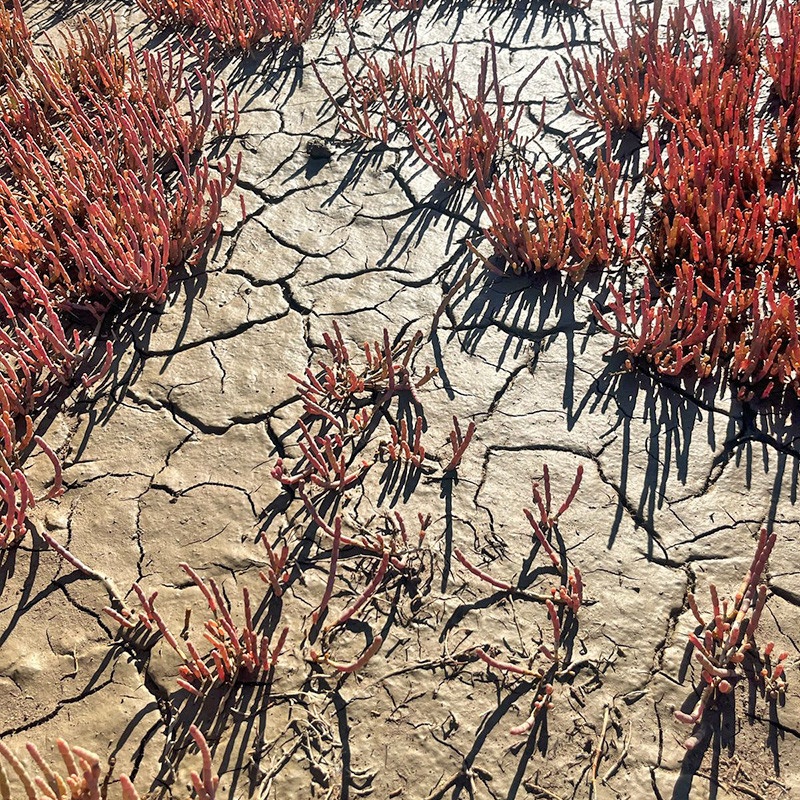
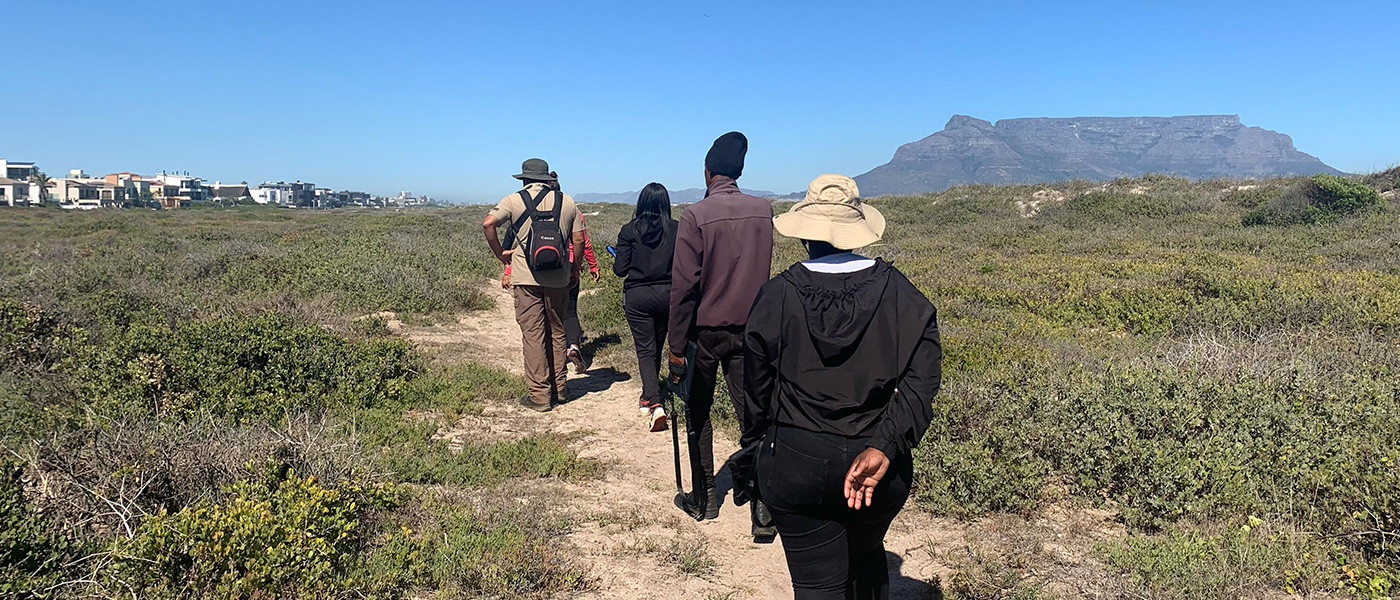
The project targeted high-priority conservation areas in the province.
Collaborative activities with CREW included:
– Targeted plant surveys
– Conservation-focused bioblitzes
– Structured biodiversity monitoring
– Threatened species assessments
These activities contributed valuable biodiversity data to national conservation platforms, including the South African Red List, supporting:
– Species assessments
– Land-use planning
– Long-term biodiversity monitoring
Through this work, young people actively contributed to plant conservation in South Africa while gaining practical conservation experience.
Using digital platforms for biodiversity monitoring
Digital citizen science platforms play an important role in strengthening biodiversity monitoring.
Using iNaturalist, youth trainees recorded:
– Nearly 2 000 observations
– 885 plant species
These records contribute to national biodiversity datasets and support conservation planning and research, while connecting youth with a broader conservation network.
Strengthening plant conservation awareness
This component has also strengthened plant conservation awareness through coordinated outreach and communication efforts.
– Collaboration between BOT SOC, CREW and conservation partners:
– Reinforced shared conservation messaging
– Broadened public engagement
– Increased awareness of threatened plant species
– Strengthened community participation in conservation
These efforts helped grow the citizen science community and deepen understanding of South Africa’s rich plant biodiversity.
Learn more
This component forms part of the Protecting and Restoring South Africa’s Natural Heritage project, which combines:

Strengthening citizen science
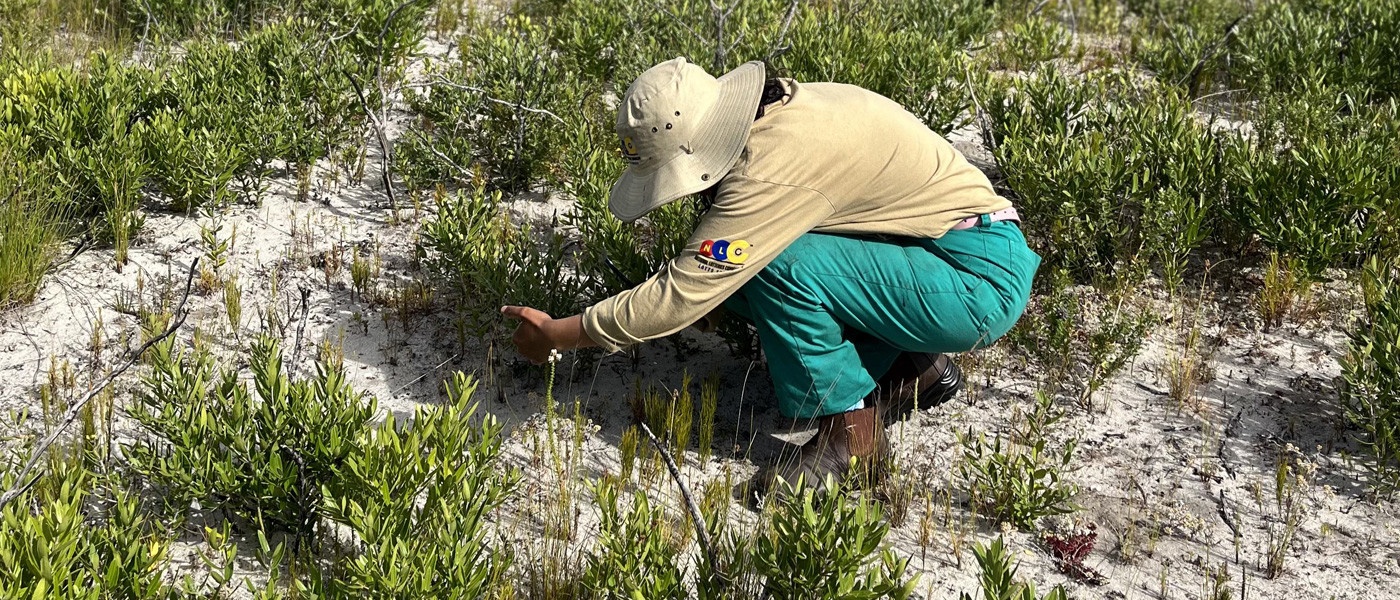
Youth were trained in plant identification, biodiversity monitoring and citizen science, contributing valuable data to national conservation platforms through collaboration with SANBI and the CREW (Custodians of Rare and Endangered Wildflowers) Programme.
Upskilling youth for conservation careers
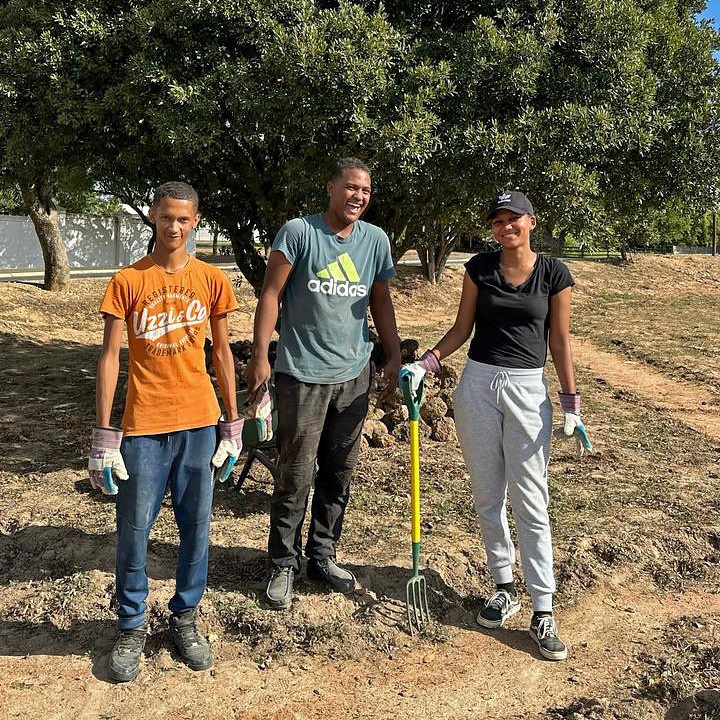
Young people received practical conservation training in ecological restoration, invasive alien plant clearing, plant conservation and fieldwork skills, supporting career pathways in the nature-based sector, while protecting Important Plant Areas.
Growing South Africa’s plant lovers through digital engagement
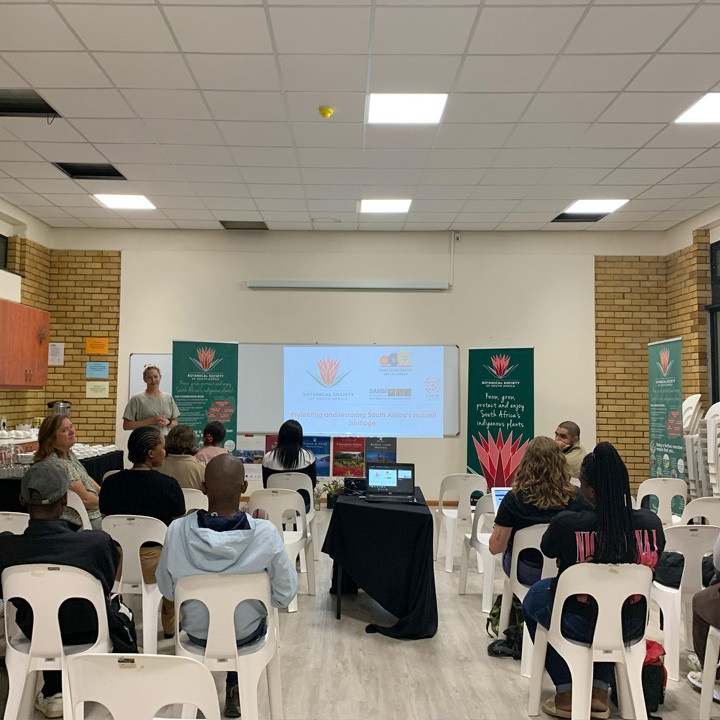
A structured digital engagement programme expanded awareness through webinars, publications, newsletters and social media – connecting more people to plant conservation in South Africa.
Biodiversity conservation school and community gardens
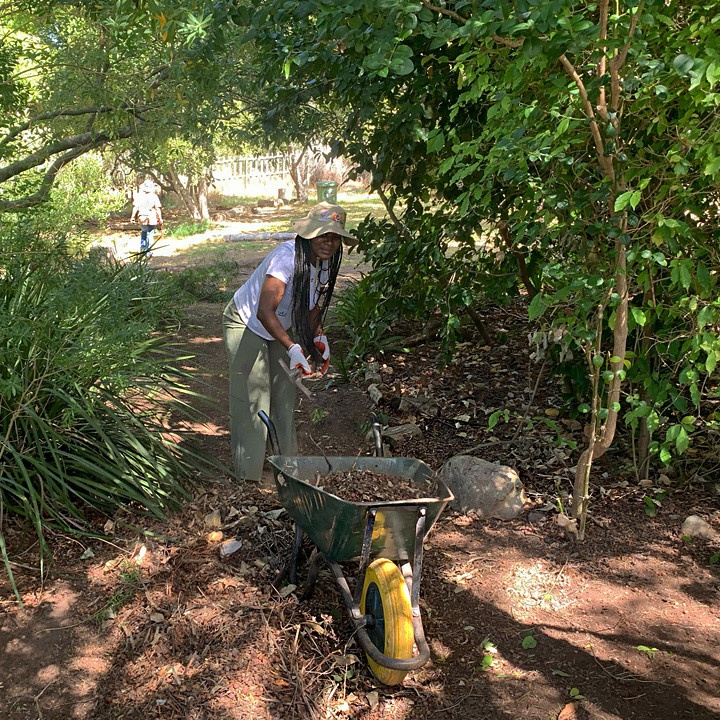
Youth participants established indigenous biodiversity gardens in schools and communities, creating living classrooms for environmental education and conservation awareness.
Hours
Tuesdays from 08h00 to 16h00. Closed from Wednesday to Monday and public holidays.
Contact Us
We are experiencing intermittent faults with our landlines. If you can't get through on our landline +27 (0) 21 797 2090 , please phone or send a message to our alternate WhatsApp number: +27 (0) 65 922 6163.
Notice
From 1 March 2026, our office located inside Kirstenbosch National Botanical Garden (through Gate 2) will be open to assist members on Tuesdays only (08:00 – 16:00).